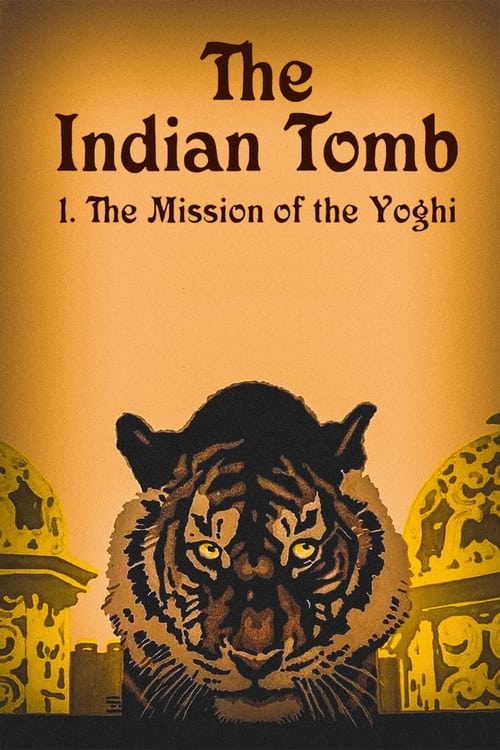
The Indian Tomb, Part I: The Mission of the Yoghi
1921
No user ratings available yet
Representation score: 0.8 out of 10
Representation Score
Fair
1921
Director
Joe May
Runtime
106 minutes
Average Rating
No ratings yetNew Showbiz Analysis
Joe May’s film provides significant visual diversity through its large-scale Indian setting and non-Western cast. However, it remains a product of its era, using these elements to serve a Western-centric adventure narrative. The storytelling relies heavily on colonial-era clichés and Orientalism. While the setting is diverse, the characters often function as decorative elements or plot catalysts for the Western protagonists' emotional journeys. Ultimately, the film prioritizes melodrama and escapism. It uses cultural and physical vulnerabilities, such as leprosy and exoticism, to advance a traditional romantic structure rather than challenging existing social hierarchies.
Category Breakdown
The film follows a traditional structure that assumes everyone is straight or cisgender. It centers on conventional romance between a Western protagonist and an Indian princess, with no visible LGBTQ+ identities.
Princess Bhanu holds social power, but her story revolves around romantic sacrifice. The plot relies on a coercive deal involving her body, reinforcing traditional gender roles.
The film features a large, diverse cast set in India. However, the representation serves as an exoticized backdrop for Western protagonists, emphasizing Orientalism.
Indian culture and religious settings are used primarily for escapist melodrama. The narrative prioritizes Western-centric adventure over nuanced cultural exploration.
Leprosy serves as a central plot device to drive the romantic conflict. The illness is used to catalyze the Maharajah's coercive deal rather than exploring the lived experience of those affected.
Present on Screen
Limited or Absent
Official Synopsis
Rowland falls sick with leprosy while Mac Allan is captured by the Maharajah, who offers Irene a deal: one night with him in exchange for letting Rowland to be cured. She accepts, but tries to commit suicide.
1921
1924
1944
1959
1938
1924
No reviews yet. Be the first to share your thoughts on this movie!
Use the rating form above to leave a star rating and optional review.