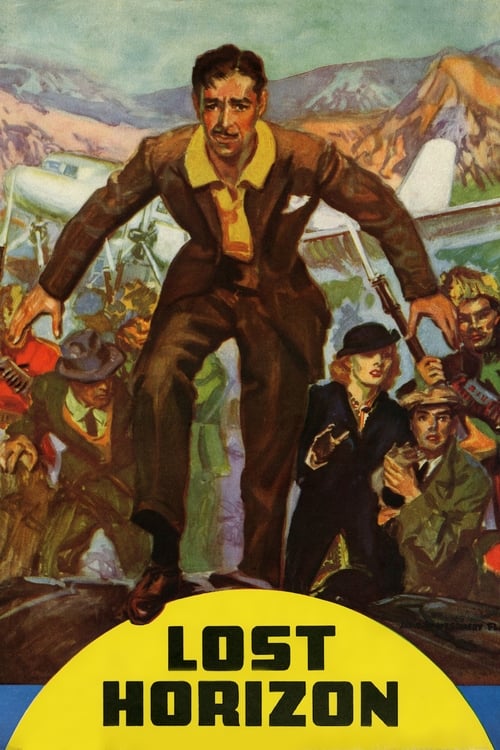
Lost Horizon
1937
No user ratings available yet
Representation score: 2.8 out of 10

Representation Score
Fair
1973
GDirector
Charles Jarrott
Runtime
147 minutes
Average Rating
No ratings yetNew Showbiz Analysis
Lost Horizon (1973) offers a philosophical critique of Western modernity through the utopian setting of Shangri-La. This theme creates a narrative tension against the backdrop of 20th-century geopolitical turmoil. However, the film adheres to traditional power structures and maintains an Orientalist perspective that treats the Eastern setting as a backdrop for Western spiritual journeys. Representation of diverse identities and disabilities is minimal.
Category Breakdown
The film does not include any LGBTQ+ characters or non-straight relationships. The romantic storylines follow traditional heterosexual norms without questioning these structures.
The story focuses on male-led exploration and intellectual achievements. Female characters like Mallinson play important roles in survival, but the film upholds the gender hierarchies typical of the 1970s.
The film portrays Shangri-La as a pure, untouched Eastern paradise from a Western perspective. While it avoids obvious stereotypes, it maintains an Orientalist viewpoint that centers Western travelers.
The film critiques modern Western institutions by presenting Shangri-La as a stable, peaceful alternative to the chaos of 20th-century geopolitics.
The film does not feature any meaningful depictions of disabilities, either visible or invisible. Characters are defined by their social status and intelligence rather than any neurodivergence or physical limitations.
Present on Screen
Limited or Absent
Official Synopsis
While escaping war-torn China, a group of Europeans crash in the Himalayas, where they are rescued and taken to the mysterious Valley of the Blue Moon, Shangri-La.
No reviews yet. Be the first to share your thoughts on this movie!
Use the rating form above to leave a star rating and optional review.