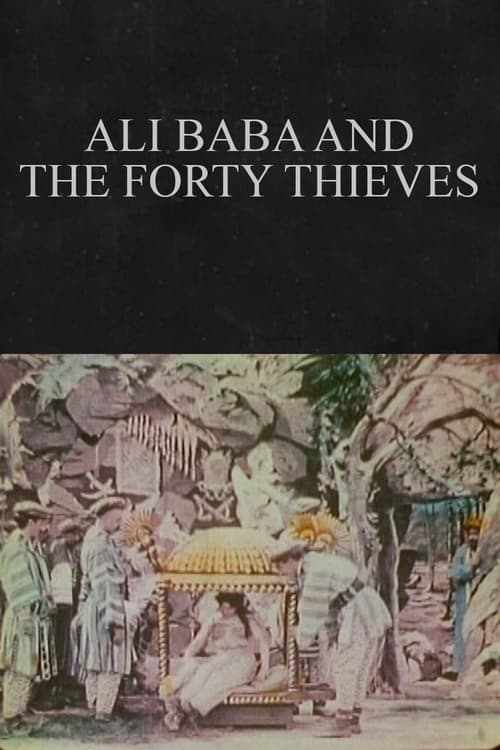
Ali Baba and the Forty Thieves
1902
No user ratings available yet
Representation score: 0.6 out of 10
Representation Score
Minimal
1907
Director
Segundo de Chomón
Runtime
13 minutes
Average Rating
No ratings yetNew Showbiz Analysis
Segundo de Chomón’s work stands as a landmark of early cinematic special effects and technical innovation. The film emphasizes visual spectacle and the adaptation of classical folklore over complex social commentary. The narrative adheres to traditional adventure clichés of the early 20th century. It centers on male leadership and follows a standard structure of discovery and survival within a non-Western setting. Ultimately, the film serves as a historical artifact of visual storytelling. It lacks the narrative depth needed to explore diverse identities or challenge conventional power structures.
Category Breakdown
The film does not include any non-binary gender identities or same-sex relationships. It focuses solely on traditional folklore elements.
The story follows a traditional patriarchal structure centered around male characters. Ali Baba and Cassim lead the plot through their quests for wealth and survival.
The film presents a stylized Middle Eastern setting based on classical folklore. Specific racial identities of the cast are not specified due to historical preservation limitations.
The story functions as a fantastical moral tale rather than a critique of institutions. It adheres to traditional folklore clichés regarding the thieves and their collective opposition.
There are no characters with physical or neurodivergent disabilities featured in the film.
Present on Screen
Limited or Absent
Official Synopsis
The legend of Ali Baba and the forty thieves: Ali Baba discovers a hidden cave where a band of thieves have stored their enormous treasure. Cassim also learns about the cave, but he is caught by the thieves and put to death. Knowing that their secret has been found out, the thieves devise a trick in an attempt to kill Ali Baba and anyone else who might know about their hiding place.
1902

1924
1954
1940
2007

1972
2002
1952
No reviews yet. Be the first to share your thoughts on this movie!
Use the rating form above to leave a star rating and optional review.