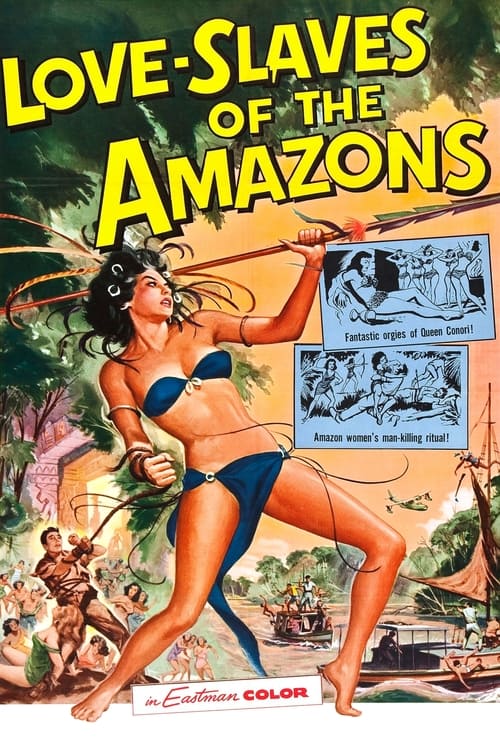
Love Slaves of the Amazons
1957
No user ratings available yet
Representation score: 2.8 out of 10
Representation Score
Minimal
1944
NRDirector
Robert Siodmak
Runtime
71 minutes
Average Rating
No ratings yetNew Showbiz Analysis
Cobra Woman offers a complex look at mid-century gender dynamics by giving the female lead a position of power and influence. This challenges the passive female figures common in 1940s films. However, these progressive gender elements are heavily overshadowed by the film's approach to race and culture. The use of white actors for Pacific Islander roles and the application of Orientalist clichés create a colonialist fantasy rather than authentic diversity. Ultimately, the film functions as a stylized piece of escapist cinema. It prioritizes a Westernized, exoticized aesthetic over authentic cultural depth, reflecting the systemic biases of its historical context.
Category Breakdown
The film does not include any LGBTQ+ characters or non-straight relationships. The romance revolves around a traditional heterosexual relationship between the main character and the priestess.
The narrative centers on a strong, influential female character who plays a significant role in the story. This contrasts with the passive female figures common in 1940s films by giving the woman substantial influence over the plot.
The film uses white actors to play Pacific Islander characters, reinforcing colonialist stereotypes. This exoticism emphasizes Western archetypes rather than authentic representation.
The story uses a localized religious cult as a backdrop for an adventurous plot. It presents a Westernized view of mythology without offering a critical perspective on Western dominance.
There are no prominent depictions of physical or neurodivergent disabilities. Such traits do not drive the narrative or significantly affect the characters' actions.
Present on Screen
Limited or Absent
Official Synopsis
A man tracks his kidnapped bride to a jungle island, where her twin is the high priestess.
1957
1959
1947
1932
1948

1954

1954

1931
No reviews yet. Be the first to share your thoughts on this movie!
Use the rating form above to leave a star rating and optional review.