
Naruto: The Lost Story - Mission: Protect the Waterfall Village!
2003
No user ratings available yet
Diversity score: 5.6 out of 10

2012
Director
Bosco Ng, Steward Lee, Kyle Dunlevy, Brian Kalin O'Connell
Runtime
87 minutes
Average Rating
No ratings yetSynopsis
A decade after being nearly destroyed by Obi-Wan Kenobi, Maul is resurrected and joins forces with his Nightbrother brother, Savage Opress, seeking revenge. They form alliances, target Obi-Wan Kenobi, and spread terror across the galaxy. The story culminates in a confrontation with Obi-Wan, with Maul and Savage also recruiting Hondo Ohnaka and his pirates.
Overall Score
Fair
Category Breakdown
LGBTQ+ Representation
The story emphasizes the intense fraternal bond between Maul and Savage Opress. While it subverts traditional nuclear family models through Nightbrother kinship, it lacks explicit queer identities or non-cisnormative expressions.
Gender Representation
The plot is heavily centered on masculine-coded conflict and traditional tropes of revenge. It prioritizes male antagonists and protagonists, resulting in a notable absence of female agency.
Racial & Ethnic Diversity
The inclusion of Nightbrothers and Hondo Ohnaka’s pirate factions creates a multi-species tapestry. These non-human species serve as metaphors for a diverse, multi-cultural galaxy that avoids homogeneous norms.
Religious & Cultural Diversity
The narrative challenges binary morality by centering on villains and pirates. This focus on systemic vengeance critiques established institutional orders like the Jedi through the lens of the marginalized.
Disability Representation
There is no specific evidence regarding the depiction of neurodivergent or physical disabilities. Maul’s physical scarring is present, but its role as a tool of agency remains unclear.
Strengths
Areas for Improvement
AI Analysis
The film offers a nuanced look at power and kinship by centering on characters cast out from the established galactic order. By focusing on the motivations of Maul and Savage Opress, the story moves away from simple heroism toward a more complex, situational morality. However, the narrative architecture remains heavily skewed toward traditional masculine archetypes. The reliance on physical dominance and martial confrontation limits the scope of gender representation within this specific arc. Ultimately, the production succeeds in building a diverse, multi-cultural world through its use of non-human species metaphors. It trades conventional domesticity for intense, non-traditional kinship structures that enrich the broader Star Wars mythos.
2003

2019
2005

2010
2018

2014
2026
1982
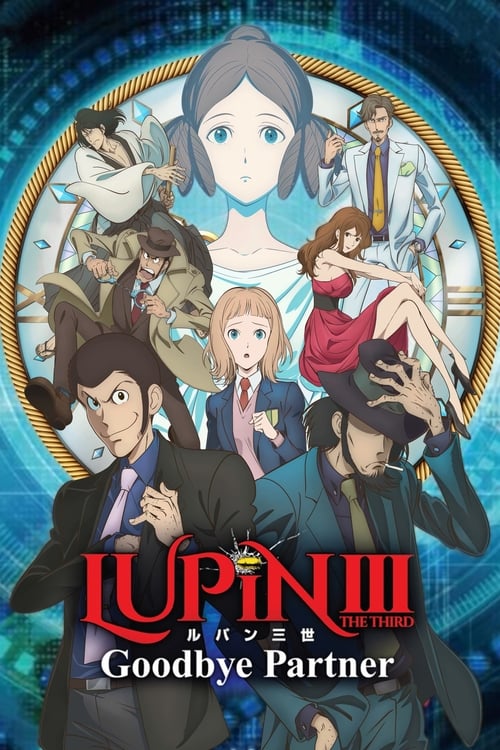
2019
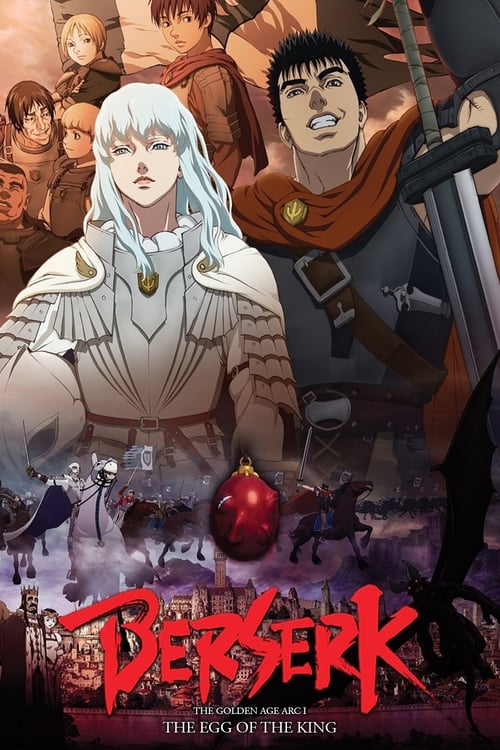
2012
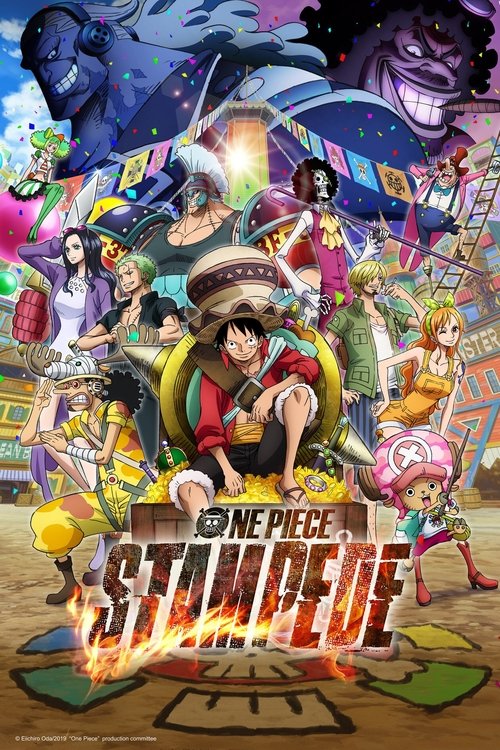
2019

1987
No reviews yet. Be the first to share your thoughts on this movie!
Use the rating form above to leave a star rating and optional review.