
Star Wars Rebels: The Siege of Lothal
2015
No user ratings available yet
Representation score: 8.3 out of 10

Representation Score
Good
2010
Director
Kyle Dunlevy, Giancarlo Volpe
Runtime
66 minutes
Average Rating
No ratings yetNew Showbiz Analysis
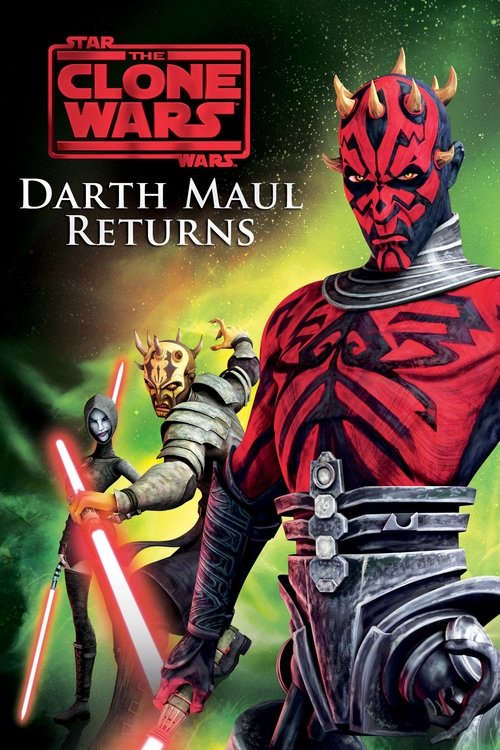
The trilogy expands the Star Wars mythos by deconstructing traditional villainy through the lens of the Nightsisters and the character arcs of Savage Opress and Darth Maul. It moves beyond simple hero/villain archetypes to explore complex identity politics and systemic power dynamics. By using non-human species as metaphors for cultural diversity, the work provides a nuanced look at 'otherness' within the galaxy. The focus on the Sith and Nightsisters as products of their environments allows for a critique of institutional power. While the narrative excels in cultural and gendered ability to act, it lacks explicit details regarding LGBTQ+ romantic pairings or any representation of disability.
Category Breakdown
The Nightsister collective explores non-traditional power structures through a mystical, non-binary communal structure. While there are no explicit romantic pairings, the communal setup offers an implicit representation of diverse identities.
The film challenges traditional gender roles by focusing on female-led mystical collectives. These groups have significant political and combat roles, shifting the emphasis away from traditional masculine leadership.
Non-human species serve as metaphors for ethnic diversity. The Nightsisters represent a underrepresented cultural group with unique customs that exist outside the dominant, Western-coded Republic.
The story critiques moral binaries by presenting villains through systemic circumstances. By exploring the nature of the dark side, it challenges singular moralities and presents a nuanced ethical framework.
There is no evidence within the narrative to evaluate the portrayal of visible or invisible disabilities.
Present on Screen
Limited or Absent
Official Synopsis
For the first time ever, Sith training will be explored, and with it, truths about the very nature of the dark side itself! A warrior forged by a dark sorcery as mystical and powerful as the Force, Opress will uncover shocking revelations about the galaxy’s tenuous balance of power, including secrets about one of the Sith’s most infamous villains Darth Maul! From his origins to his fate, Maul’s mysteries will at long last be uncovered!
2015

2020
2012
2008
2014
No reviews yet. Be the first to share your thoughts on this movie!
Use the rating form above to leave a star rating and optional review.