DragonBlade
2005
No user ratings available yet
Representation score: 1.9 out of 10
Representation Score
Fair
2011
Director
Michael Hegner, Justin Murphy
Runtime
44 minutes
Average Rating
No ratings yetNew Showbiz Analysis
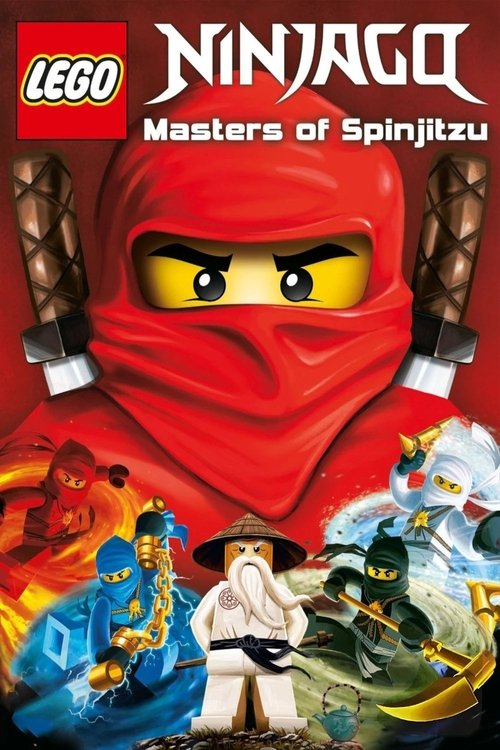
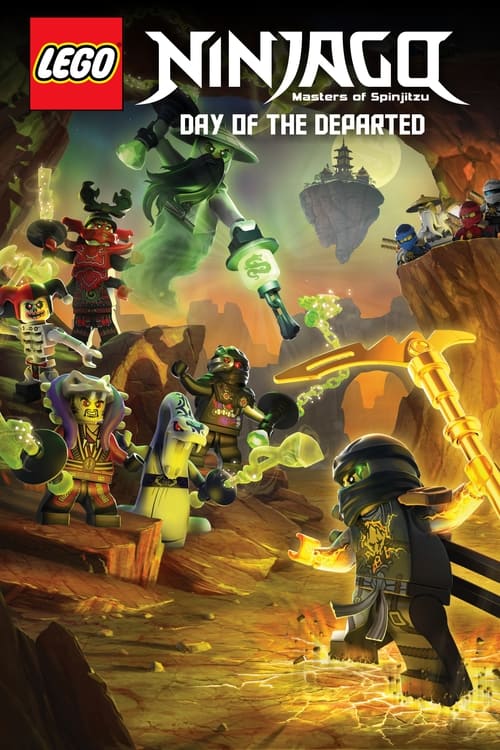
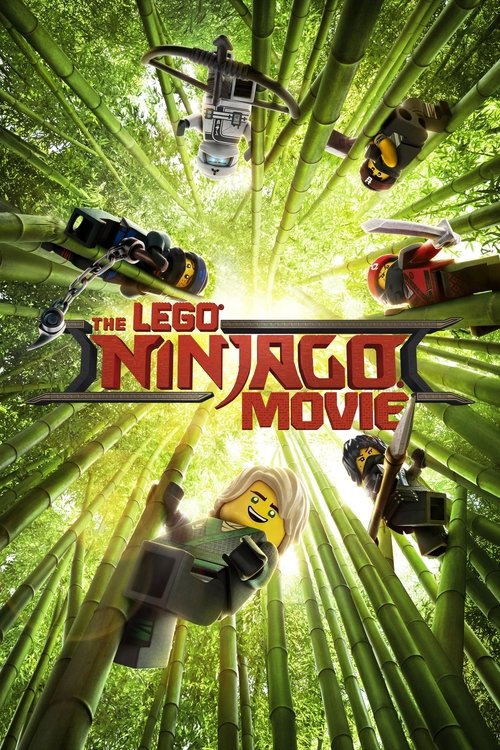
Lego Ninjago: Masters of Spinjitzu functions as a traditional heroic epic centered on elemental mastery and familial conflict. The storytelling prioritizes universal fantasy clichés and archetypal hero journeys over social critique or identity politics. While the series lacks LGBTQ+ and disability representation, it shows moderate progress through female empowerment. Nya’s evolution from a restrictive role to a position of power provides a necessary disruption to the initial male-dominated structure. Ultimately, the work upholds conventional values of authority and moral absolutism. It seeks to preserve a stable social order rather than challenging systemic norms or exploring multi-layered depth.
Category Breakdown
The series follows traditional structures that assume everyone is straight or cisgender. There are no queer-coded character arcs or same-sex intimacy among the main characters.
The core protagonist group is made up entirely of males, reinforcing a traditional hierarchy. However, Nya’s storyline provides significant influence and elemental power, eventually disrupting the male-dominated status quo.
Diversity is shown through elemental affinities rather than human racial markers. The stylized LEGO setting abstracts traditional ethnic identity, allowing for a degree of color-blind casting.
The narrative emphasizes discipline, respect for elder authority, and the preservation of order. It promotes themes of teamwork and duty within a traditional moral framework.
Characters are portrayed as idealized, high-functioning archetypes. There is no meaningful depiction of visible or invisible disabilities or neurodivergence.
Present on Screen
Limited or Absent
Official Synopsis
Long before time had a name, the First Spinjitzu Master created the realm of Ninjago using the four Golden Weapons of Spinjitzu. Before he passed, his two sons swore to protect the weapons from evil, but the older brother, Garmadon, was consumed by darkness and aimed to wield all four weapons so that he could recreate Ninjago in his own image. In the ensuing battle between brothers, the younger brother Wu cast Garmadon down to the Underworld and hid the weapons across Ninjago. Now, Sensei Wu finds four teenage ninja to recover the Golden Weapons and save Ninjago from Garmadon and his Skulkin army.
2005

2011
2004
2012
2016
2010
2008
2017
No reviews yet. Be the first to share your thoughts on this movie!
Use the rating form above to leave a star rating and optional review.