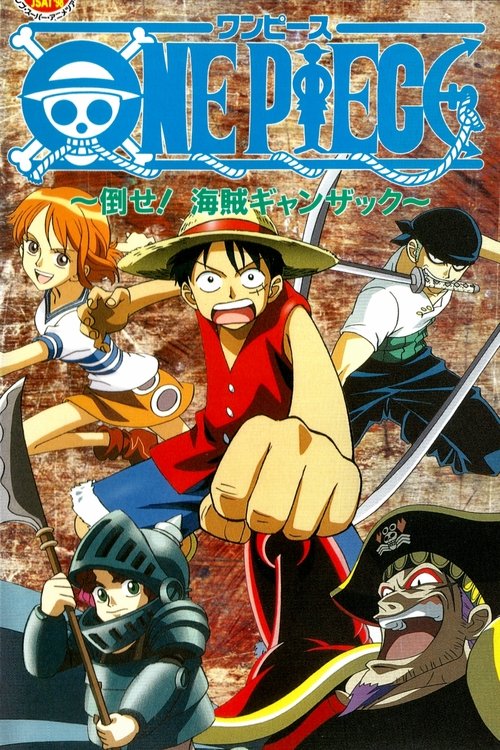
One Piece: Defeat the Pirate Ganzack!
1998
No user ratings available yet
Representation score: 5.7 out of 10
Representation Score
Limited
2004
TV-14Director
Kazuhisa Takenouchi
Runtime
95 minutes
Average Rating
No ratings yetNew Showbiz Analysis
The film creates a diverse world through varied character designs and a critical stance towards centralized power structures. Its visual choices promote ethnic diversity. However, the narrative adheres to conventional shonen storylines, limiting its impact on gender representation and engagement with sociopolitical themes or underrepresented identities. Ultimately, the film offers a standard adventure with moderate inclusion through its setting, but it doesn't specifically represent LGBTQ+ or disabled characters.
Category Breakdown
The film doesn't show same-sex relationships or characters with non-traditional genders. It follows typical straight-focused storylines from the early 2000s.
Female characters like Nami show intelligence and play important roles in the crew. However, key leadership and combat roles are mostly held by men, reinforcing traditional male dominance.
The film features a variety of ethnic looks and body types, avoiding a uniform appearance. This creates a visual representation of a diverse society.
The story criticizes centralized power structures by focusing on pirates who operate independently of official authority. It emphasizes friendship and protecting the vulnerable.
The film doesn't feature any characters with visible or invisible disabilities as central figures in the story.
Present on Screen
Limited or Absent
Official Synopsis
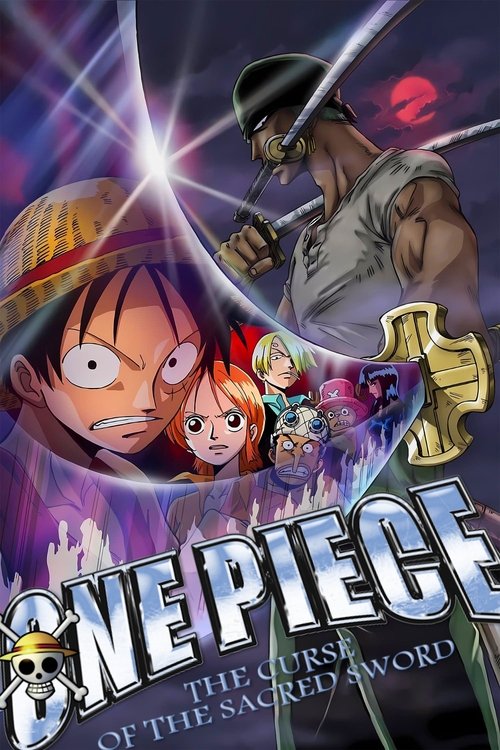
The Straw Hat Pirates landed at Asuka Island, home of the most valuable sword in the world: The Seven Star Sword. Which was said to curse anyone who takes it in possession. When they got back to the Going Merry, they discovered that Zoro is missing from his guard duty. Before they could plan out a search party to relocate him. Luffy and friends escape from the port as Marines were on their tail. They found a new place to dock, which is near a village. Whose job is to keep the Seven Star Sword sealed. Soon it was attacked by the Marines, and among them is Zoro. Luffy and the others don't know why he's helping out the Marines. But it all comes to conclusion when Luffy encounters Saga: Zoro's childhood friend from Swordsman training.
1998
2001
2006
2005
2004
2012

2003
2002
No reviews yet. Be the first to share your thoughts on this movie!
Use the rating form above to leave a star rating and optional review.