
Love’s Debris
1996
No user ratings available yet
Representation score: 6.5 out of 10
Representation Score
Minimal
1969
Director
Antonio Maenza Blasco
Runtime
37 minutes
Average Rating
No ratings yetNew Showbiz Analysis
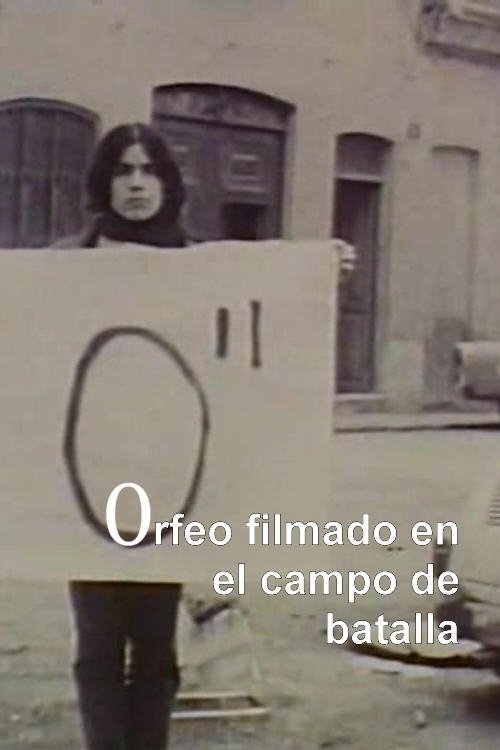
Orpheus Filmed on the Battlefield is an experimental piece that prioritizes collective creation over traditional character-driven storytelling. Since it operates as a non-traditional, non-authored work, it lacks the standard narrative framework needed to assess identity-based representation such as race, gender, or LGBTQ+ status. However, the film excels in cultural subversion. By rejecting the 'great man' theory of directing and embracing a collective model, it actively deconstructs the capitalist and individualistic hierarchies of the era. This structural choice provides a unique form of progressive representation through its very form. Ultimately, the film is a study in counter-cultural methodology rather than social identity. Its value lies in its institutional defiance and its integration of avant-garde musical elements.
Category Breakdown
The film does not include any documented LGBTQ+ characters or stories focusing on non-assuming gender matches what was assigned at birth identities. It focuses on collective experimentation and musical integration rather than exploring specific identities.
The film disrupts traditional gender hierarchies by functioning as a collective work without a single author. However, there is no evidence of specific gendered character arcs or social roles.
There is no information available about the racial or ethnic makeup of the cast. While the soundtrack includes American artists, the film’s visual casting remains unverified.
The production challenges Western cinematic traditions by rejecting individual authorship. It uses counter-cultural music and collective creation to align with the anti-establishment sentiments of the late 1960s.
The documentation provides no mention of characters or actors with visible or invisible disabilities.
Present on Screen
Limited or Absent
Official Synopsis
In December 1968 I participated in the film Orpheus Shot on the Battlefield, which originated as a collective work, a movie without an author, but which would ultimately be attributed to Antonio Maenza in the end even though he only played the role of the director in the film. The film, which was never provided a soundtrack, was screened on several occasions with a soundtrack performed live consisting of a text for three voices and a number of musical pieces, among which were the “descent into hell” from the opera L’Orfeo by Monteverdi in the version by Edward H. Tarr, released in 1968 by Erato, “New York 1963 – America 1968” from Every One of Us by Eric Burdon and the Animals; and “The Return of the Son of the Monster Magnet” from Freak Out by [Frank Zappa and] The Mothers of Invention. After the “state of emergency” in January 1969, an epilogue was shot but it was never developed.
1996
1979
1969
1964
1967
1970
1969
1966
No reviews yet. Be the first to share your thoughts on this movie!
Use the rating form above to leave a star rating and optional review.