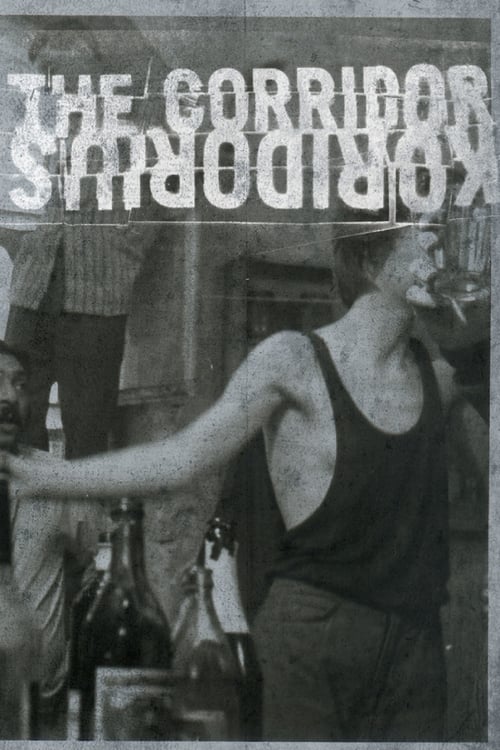
The Corridor
1995
No user ratings available yet
Diversity score: 4.9 out of 10
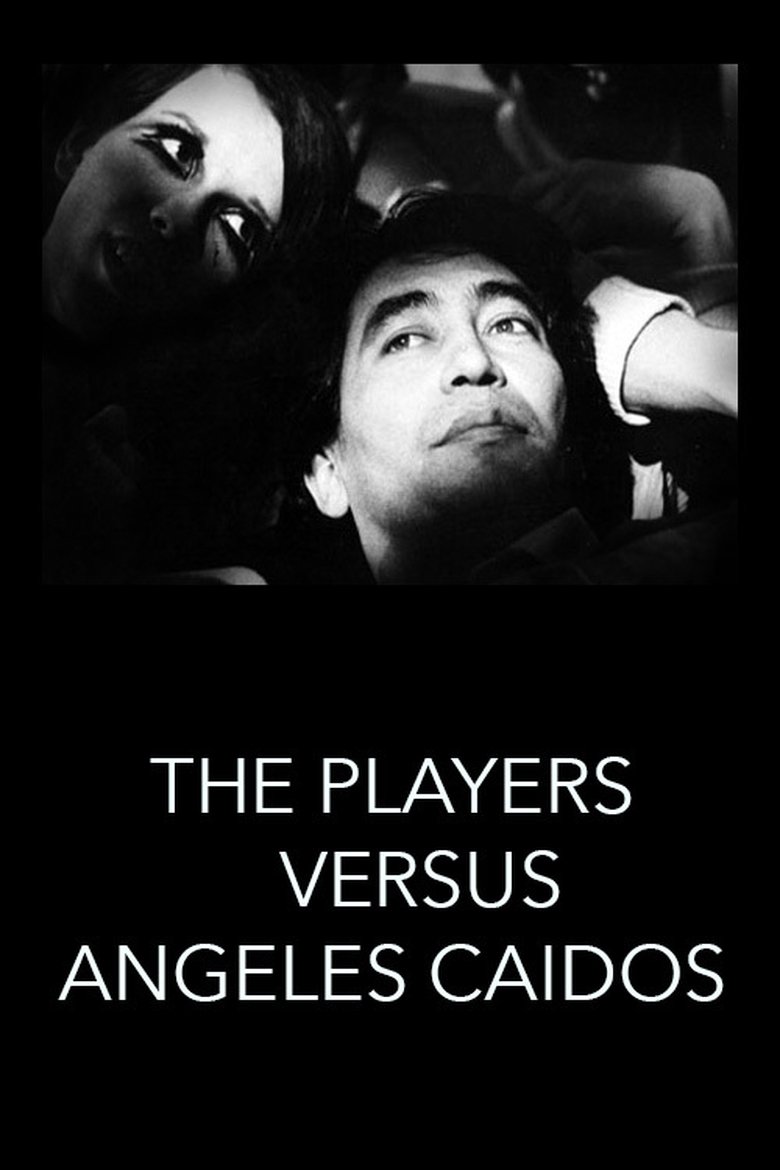
1969
Director
Alberto Fischerman
Runtime
84 minutes
Average Rating
No ratings yetSynopsis
An avant-garde theater troupe works through a series of unrelated episodes on en empty sound stage.
Overall Score
Fair
Category Breakdown
LGBTQ+ Representation
The film's episodic, non-linear structure on an empty sound stage suggests a departure from heteronormative conventions. While specific depictions of identity are not explicitly detailed, the experimental format allows for fluid social dynamics.
Gender Representation
By focusing on a theater troupe rather than a traditional protagonist, the film disrupts conventional gendered hierarchies. It avoids standard tropes of heroic masculinity or submissive femininity through its collective character studies.
Racial & Ethnic Diversity
Documentation regarding the specific casting of the troupe is limited. The score reflects a neutral position, though the era's avant-garde movement often sought to challenge mainstream cinematic homogeneity.
Religious & Cultural Diversity
The setting deconstructs the artifice of traditional Western storytelling. This meta-textual approach prioritizes artistic expression and moral relativism over traditionalist or patriotic motifs.
Disability Representation
There is no evidence within the verified context to confirm the presence of characters with visible or invisible disabilities. The focus remains strictly on the theatricality of the troupe.
Strengths
Areas for Improvement
AI Analysis
Alberto Fischerman’s experimental work succeeds in structural disruption. By abandoning a cohesive, traditional plot, the film creates space for fragmented identities and non-traditional social interactions that challenge the rigid storytelling standards of the late 1960s. However, the lack of specific character details regarding race and disability limits the film's measurable impact in those areas. The representation is more a product of its avant-garde form than explicit, documented character arcs. Ultimately, the film serves as a critique of mainstream media spectacle, using its deconstructed setting to subvert institutionalized narrative structures.
1995
1998

2011
1991
2015
1987
1984
1951
1969
1961

1983
1994
No reviews yet. Be the first to share your thoughts on this movie!
Use the rating form above to leave a star rating and optional review.