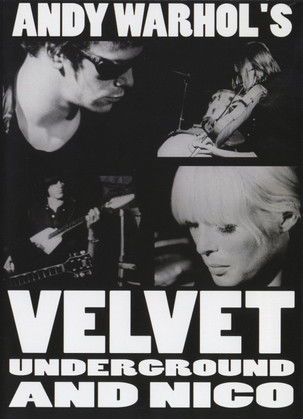
The Velvet Underground and Nico: A Symphony of Sound
1966
No user ratings available yet
Representation score: 6.5 out of 10

Representation Score
Good
1996
Director
Werner Schroeter
Runtime
130 minutes
Average Rating
No ratings yetNew Showbiz Analysis
Werner Schroeter’s *Love’s Debris* functions as a radical experiment in non-linear expression. By removing scripts and continuity, the film dismantles traditional cinematic hierarchies, allowing performers to dictate the emotional rhythm of the work. The film excels in its subversion of cultural and gendered norms. Through the lens of opera and camp, it creates a fluid environment where identity is not bound by conventional narrative or patriarchal archetypes. However, the film's reliance on a historical European setting and the specific genre of opera may limit its racial and ethnic breadth, leaning toward a more Eurocentric presentation.
Category Breakdown
The film uses camp and operatic styles to create a non-traditional space. This approach challenges gendered expectations and explores queer sensibilities through stylized artifice.
By highlighting the performers' intellectual and emotional power, the film disrupts traditional gender hierarchies. The focus is on the singers' abilities rather than domestic or patriarchal roles.
The film's focus on opera singers in a historical European abbey suggests a potentially Eurocentric aesthetic. Specific details about the ethnic makeup of the performers are not provided.
The work deconstructs traditional institutions by using a religious abbey as a secular stage. It favors a mosaic of individual perspectives over structured, authoritative Western storytelling.
There is no specific evidence regarding the portrayal of physical or neurodivergent disabilities within the film.
Present on Screen
Limited or Absent
Official Synopsis
German director Werner Schroeter invited his favourite opera singers to a 13th century abbey near Paris. There was no pre-planned action. There was no script, no continuity. On the other hand, there were precise constraints that provided the rules of the game: the setting, the Abbey of Royaumont, and the chosen participants. Each singer came accompanied by a person of his or her choice, and worked on an aria chosen by the director.
1966
2016

1986

1999
1994

2011

2014

2023
No reviews yet. Be the first to share your thoughts on this movie!
Use the rating form above to leave a star rating and optional review.