
Gokusen: The Movie
2009
No user ratings available yet
Representation score: 5.1 out of 10
Representation Score
Limited
1999
Director
Masayuki Suzuki
Runtime
108 minutes
Average Rating
No ratings yetNew Showbiz Analysis
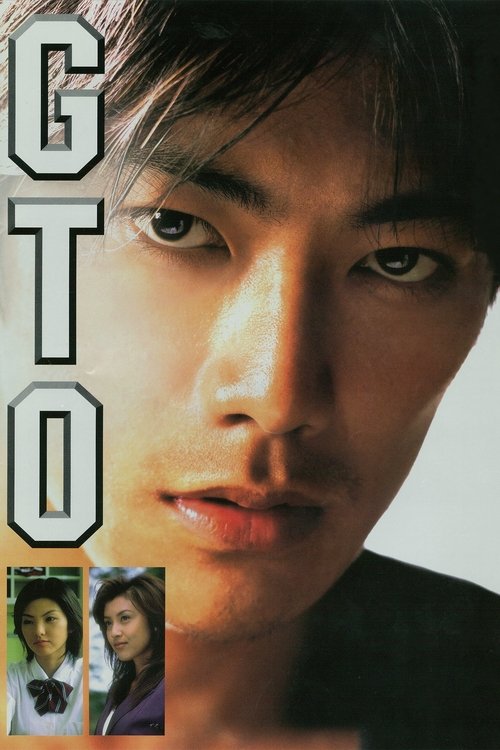
GTO: The Movie is a character-driven drama that challenges traditional educational institutions. By presenting Onizuka as an unconventional mentor, the film questions the restrictive nature of these institutions. However, the film lacks multi-layered breadth, focusing primarily on traditional demographic patterns and offering limited representation regarding race, gender, and LGBTQ+ identities. The film's impact lies in its critique of social structures rather than its demographic inclusivity.
Category Breakdown
The film does not explicitly include LGBTQ+ characters or non-cisgender identities. It focuses on a male protagonist within a traditional Japanese educational environment.
The story centers on a male protagonist navigating a rigid social system. It follows traditional gender roles typical of era-specific dramatic comedies without challenging gender hierarchies.
Set in a small town in Hokkaido, the film reflects a homogeneous population. There is no evidence of diverse casting that breaks ethnic norms.
The film critiques rigid Japanese institutionalism through an unorthodox educator. It prioritizes individual connections and situational ethics over strict systemic rules and formal authority.
While the film explores student alienation and psychological struggles, it lacks specific portrayals of visible or invisible disabilities, focusing instead on broader themes of student alienation.
Present on Screen
Limited or Absent
Official Synopsis
Great Teacher Onizuka is back, using his unorthodox brand of inspiration and education as a substitute teacher in a depressed small town in Hokkaido.
2009

2015

2020

2000
1997
1967

1958

1987
No reviews yet. Be the first to share your thoughts on this movie!
Use the rating form above to leave a star rating and optional review.