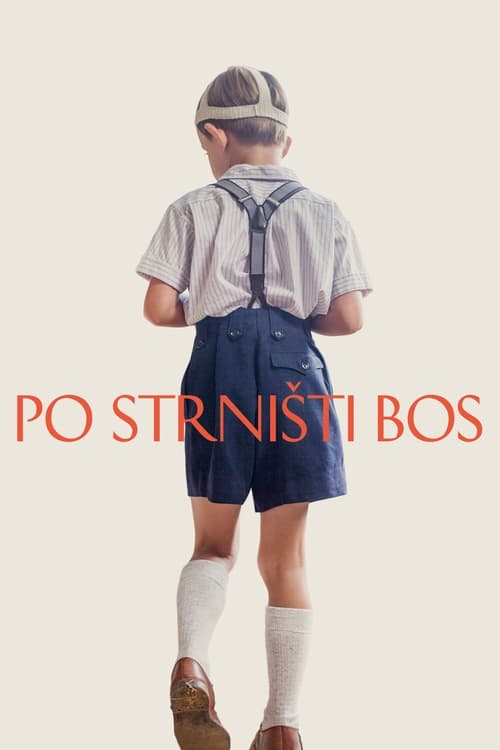
Barefoot
2017
No user ratings available yet
Representation score: 6.4 out of 10
Representation Score
Limited
1991
Director
Jan Svěrák
Runtime
100 minutes
Average Rating
No ratings yetNew Showbiz Analysis
The film serves as a character-driven study set in a specific historical context, emphasizing authenticity over contemporary perspectives that reflect multiple aspects of identity. It delves into the micro-politics of a classroom and the social transformations of post-war Czechoslovakia. Although the film lacks diversity by today’s standards, its uniformity mirrors the 1945 setting. The narrative emphasizes humanistic storytelling and the intricacies of communal life rather than identity-based hierarchies. Ultimately, the work excels as a localized social commentary, even though it does not actively challenge traditional gender or racial structures of its era.
Category Breakdown
The film focuses on childhood development and teacher-student interactions in a mid-century village. It does not include LGBTQ+ characters or stories that challenge the assumption that everyone is straight or cisgender.
The story revolves around a male teacher dealing with classroom discipline. His interest in young women suggests a traditional male perspective that limits exploration of gender roles beyond traditional norms.
Set in rural Bohemia during the post-war era, the film portrays a culturally uniform Czech environment. This lack of racial diversity accurately reflects the demographics of the time.
The story examines the interplay between personal freedom and institutional control in a post-war society. It highlights the tension between individual influence and societal structures through a detailed depiction of discipline.
The film does not feature any characters with visible or invisible disabilities. The narrative concentrates on the interpersonal dynamics within the classroom and village community.
Present on Screen
Limited or Absent
Official Synopsis
The time is 1945-46. 10 year old Eda and his friend Tonda live in a small village outside Prague. In school, their class is so wild and indisciplined that their teacher quits and is replaced by the militant Igor Hnidzo. He is very strict – but also very fair. His weakness though, is his interest in young women.
2017
1933
2001

1975
1958
1991
1990
1969
No reviews yet. Be the first to share your thoughts on this movie!
Use the rating form above to leave a star rating and optional review.