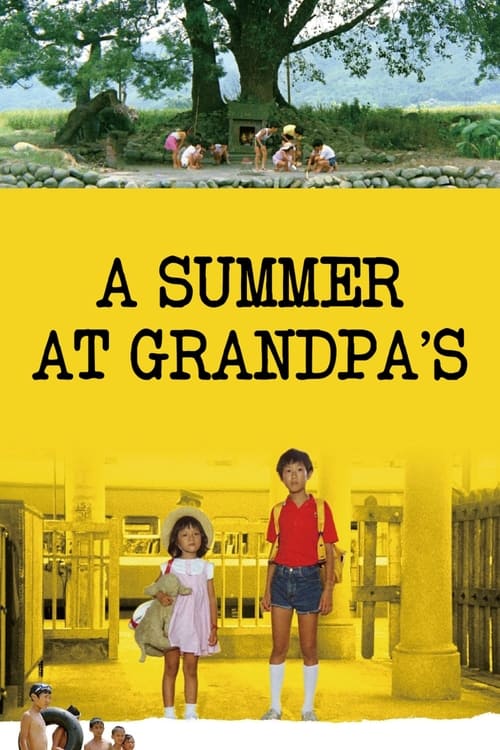
A Summer at Grandpa's
1984
No user ratings available yet
Representation score: 5.7 out of 10

Representation Score
Fair
1982
Director
Hou Hsiao-hsien
Runtime
91 minutes
Average Rating
No ratings yetNew Showbiz Analysis
Hou Hsiao-hsien’s work stands out as a significant piece of regional cinema that emphasizes localized identity. By focusing on a Taiwanese landscape and rural life, the film effectively counters urban-centric and Western-centric cinematic norms. However, the narrative adheres to conventional character dynamics. The romantic and gendered elements follow established frameworks rather than actively challenging them, focusing more on environmental connections than identity politics. Ultimately, the film’s strength lies in its naturalistic portrayal of human experience, emphasizing the importance of the local and organic over homogenized, globalized storytelling.
Category Breakdown
The film follows a typical romantic storyline between the main character and another teacher. There are no explicit references to LGBTQ+ identities or challenges to the assumption that everyone is straight.
The story revolves around a male protagonist's journey of emotional growth. His transformation from an urban professional to someone who finds joy in nature hints at a possible softening of rigid masculine norms.
As part of the New Taiwanese Cinema movement, the film highlights a Taiwanese perspective. Its focus on a local village setting counters Western-centric storytelling traditions.
The narrative examines the contrast between Taipei's urban lifestyle and rural life. It emphasizes organic living and naturalism over the structured, capitalist pace of the city.
The film does not include any characters dealing with physical, sensory, or neurodivergent conditions.
Present on Screen
Limited or Absent
Official Synopsis
A substitute teacher from Taipei arrives in a country village to teach a class of mischievous students. He soon falls in love with nature, country life and a fellow teacher at the school.
1984
1986
1995

2007
1995

1989

2018

2003
No reviews yet. Be the first to share your thoughts on this movie!
Use the rating form above to leave a star rating and optional review.