M
2018
No user ratings available yet
Representation score: 9.2 out of 10
Representation Score
Good
2014
TV-PGRuntime
58 minutes
Average Rating
No ratings yetNew Showbiz Analysis
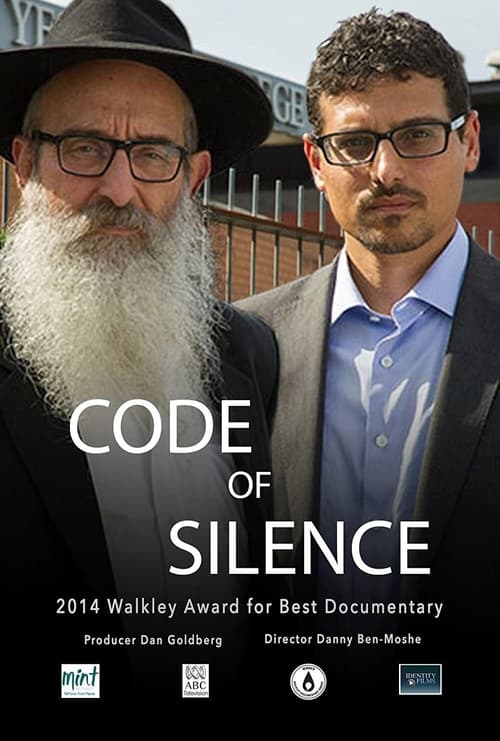
Code of Silence is a sophisticated critique of institutional power. It deconstructs traditional religious authority and promotes individual ethics over dogmatic structures. The film highlights religious leadership as a systemic barrier to justice. By prioritizing the ability to act of individuals over the preservation of institutions, the documentary provides a powerful look at the cost of whistleblowing. The film excels in its cultural and religious nuance. However, its scope is narrow, focusing heavily on specific male-driven conflicts and the psychological aftermath of trauma.
Category Breakdown
The film primarily focuses on sexual abuse and institutional cover-ups, without delving into LGBTQ+ narratives or character arcs.
The film challenges patriarchal hierarchies by centering a victim who opposes male religious leaders. However, the conflict remains centered on male-to-male dynamics and patriarchal power structures.
The documentary offers a nuanced look at the Orthodox Jewish community, exploring complex internal power dynamics and navigating secular legal systems.
The film critiques traditional religious institutions, portraying the hierarchy as oppressive. It emphasizes secular justice and individual morality over religious dogma and communal cohesion.
While not focusing on physical disabilities, the film addresses the psychological impact of trauma. Characters navigate the hidden weight of abuse with significant control over their actions.
Present on Screen
Limited or Absent
Official Synopsis
'Code of Silence' is an award winning one-hour observational documentary that follows the parallel journeys of a fervently Orthodox Jewish father and his now-secular son, after the son breaks the code of silence in Melbourne's Chabad-Lubavitch community going public with his story about being sexually abused as a student. Manny Waks demands the perpetrators be brought to justice, as well as the rabbis, whom he claims covered it up. His father Zephaniah, who claims he has been virtually excommunicated for informing secular authorities, demands his name be publicly cleared. But what price will the father and son pay for blowing the whistle on the leaders of this powerful Jewish sect? This is a deeply personal journey filled with intimate, emotionally charged and candid behind-the-scenes moments of two people waging the fight of their lives.
2018
2021
2004

2006
2011
2017
2012
2012
No reviews yet. Be the first to share your thoughts on this movie!
Use the rating form above to leave a star rating and optional review.