A
1965
No user ratings available yet
Representation score: 1.0 out of 10
Representation Score
Excellent
1959
Director
Jan Lenica, Henri Gruel
Runtime
13 minutes
Average Rating
No ratings yetNew Showbiz Analysis
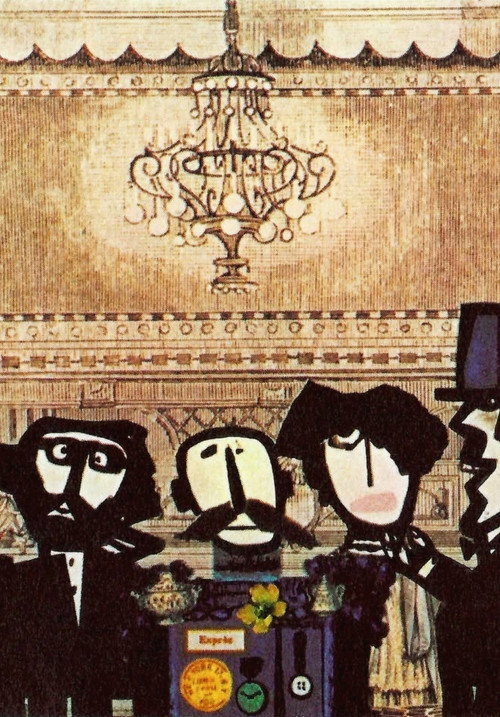
Monsieur Tête is a surrealist allegory that uses the physical fragmentation of its protagonist to critique systemic conformity. By centering on a bureaucrat who rebels against social expectations, the film explores the tension between individual ability to act and institutional power. The work excels in its metaphorical treatment of neurodivergence and social alienation, framing non-conformity as a form of ability to act rather than a deficit. However, the film's reliance on abstraction means that specific identities regarding race, gender, and sexuality remain obscured, limiting the visibility of specific underrepresented groups.
Category Breakdown
The film creates a metaphorical space where non-conformity is explored without specifying particular LGBTQ+ identities. It highlights the rejection of societal norms through the protagonist’s actions.
The story focuses on an individual's struggle against a collective rather than domestic hierarchies. This disruption of social roles suggests a departure from traditional gendered power dynamics.
The film uses surrealism and abstraction to create a universalist medium, which de-emphasizes specific racial markers in favor of broader existential themes.
The film critiques institutionalized social order by focusing on a bureaucrat's rebellion against prevailing ideas, emphasizing subjective experience over collective dogma.
The metaphor of a 'broken head' symbolizes psychological alienation, stemming from intellectual rebellion rather than a personal tragedy.
Present on Screen
Limited or Absent
Official Synopsis
Monsieur Tête, an ordinary bureaucrat, rebels against the world and the ideas of the people around him. Because of his marginal behavior, his head is broken, like everyone else.
1965
1967
1962

1963
1968

1957
1964
1973
No reviews yet. Be the first to share your thoughts on this movie!
Use the rating form above to leave a star rating and optional review.