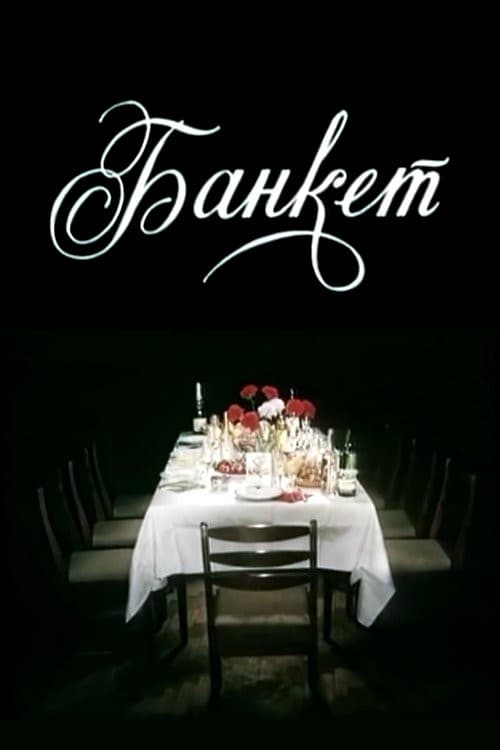
Banquet
1986
No user ratings available yet
Diversity score: 5.3 out of 10

1976
Director
Fyodor Khitruk
Runtime
7 minutes
Average Rating
No ratings yetSynopsis
It is a parable about world wisdom and "madness of brave men" who are ready to risk their life for the sake of new opening.
Overall Score
Fair
Category Breakdown
LGBTQ+ Representation
The film lacks explicit depictions of romantic or sexual orientation. However, its focus on non-conformity provides a subtextual space for identities existing outside societal norms.
Gender Representation
The narrative centers on masculine agency through the archetype of the brave man. It prioritizes intellectual and spiritual pursuits over traditional domestic gender hierarchies.
Racial & Ethnic Diversity
The film utilizes archetypal, symbolic figures rather than specific ethnic or racial identifiers. Characters function as vessels for philosophical concepts rather than demographic representations.
Religious & Cultural Diversity
The story subverts traditional authority by framing established wisdom as antithetical to progress. It celebrates intellectual skepticism and the pursuit of transformative truth over institutional dogma.
Disability Representation
The central theme of madness is framed as intellectual courage. The narrative disrupts views of mental deviation, repositioning it as a catalyst for societal evolution.
Strengths
Areas for Improvement
AI Analysis
Ikar and Sages functions as a philosophical parable that prioritizes intellectual disruption over demographic variety. The film's strength lies in its subversion of institutional authority and its celebration of individual agency. By framing radical discovery as a form of noble madness, it challenges stagnant social structures. However, the work lacks explicit representation of specific identities. The reliance on archetypal figures means that gender, race, and sexual orientation are not overtly addressed through character-driven narratives. The film operates in a realm of abstraction rather than social realism. Ultimately, the film is progressive in its thematic treatment of systemic wisdom. It values the disruptive individual over the collective dogma of the sages, even if it does not provide a diverse cast of specific demographic groups.
1986

2018
1959

1970

1984

1968
1974

2007

1986

2005
1969

1986
No reviews yet. Be the first to share your thoughts on this movie!
Use the rating form above to leave a star rating and optional review.