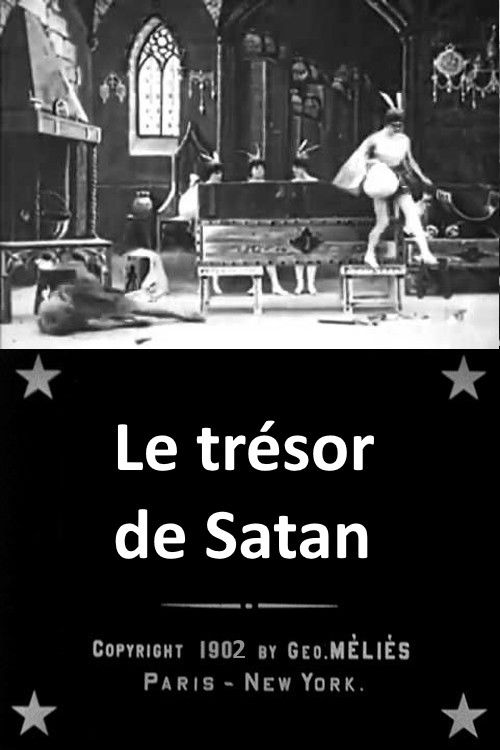
The Treasures of Satan
1902
No user ratings available yet
Representation score: 2.4 out of 10
Representation Score
Limited
1909
Director
Georges Méliès
Runtime
2 minutes
Average Rating
No ratings yetNew Showbiz Analysis
This surviving fragment of Georges Méliès' early work explores power dynamics through visual artifice and metamorphosis. It successfully subverts traditional gender roles by presenting female figures as active, predatory forces rather than passive observers. However, the film's impact is limited by its brevity and a lack of human-centric diversity. The focus on fantastical archetypes means that racial and ethnic identities are entirely absent from the narrative landscape. Ultimately, the work offers a moderate exploration of identity through the lens of surrealism, even if it lacks explicit representation of modern social categories.
Category Breakdown
The film features non-humanoid forms that challenge traditional biological norms. These shifting female figures disrupt conventional depictions of stable femininity, even though sexual orientation is not explicitly addressed.
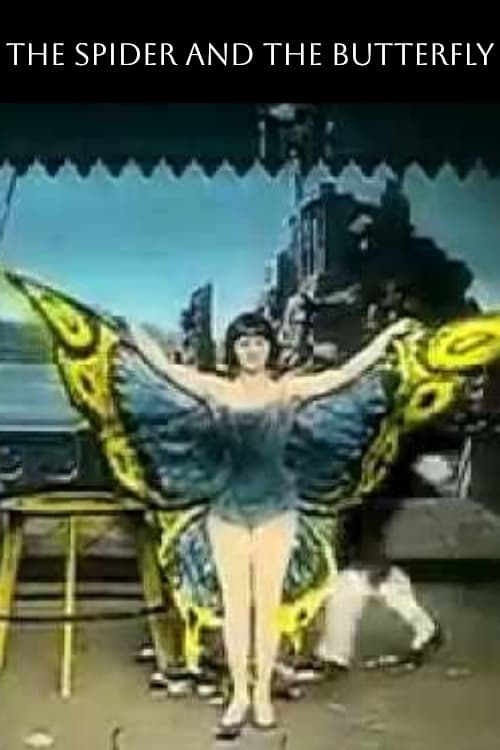
Female characters actively drive the supernatural events rather than being passive subjects. The main female character transforms into a predatory spider, which challenges the traditional damsel-in-distress cliché by showing her as an active force.
There is no evidence of a diverse or non-Anglo-Saxon cast. The narrative focuses on elemental archetypes rather than specific ethnic or racial identities.
The film avoids a singular moralistic structure by prioritizing a surreal, dream-state narrative. This approach breaks down traditional Western social realism in favor of cosmic inevitability.
The characters are presented as archetypal fantasy entities. There are no discernible depictions of physical or neurodivergent disabilities within the fragment.
Present on Screen
Limited or Absent
Official Synopsis
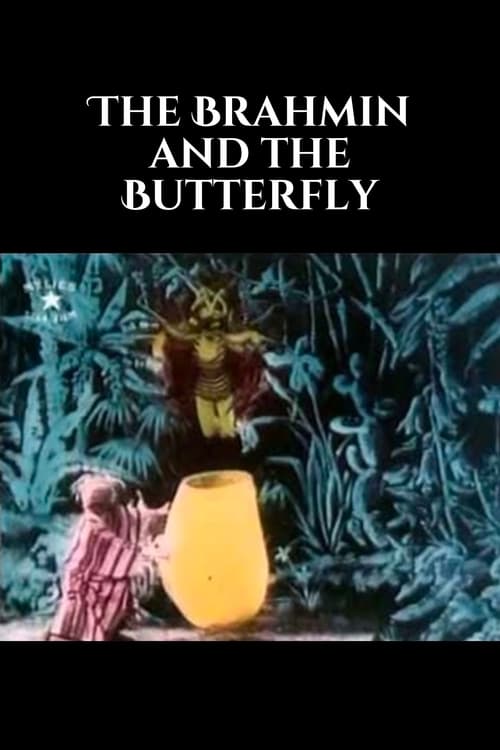
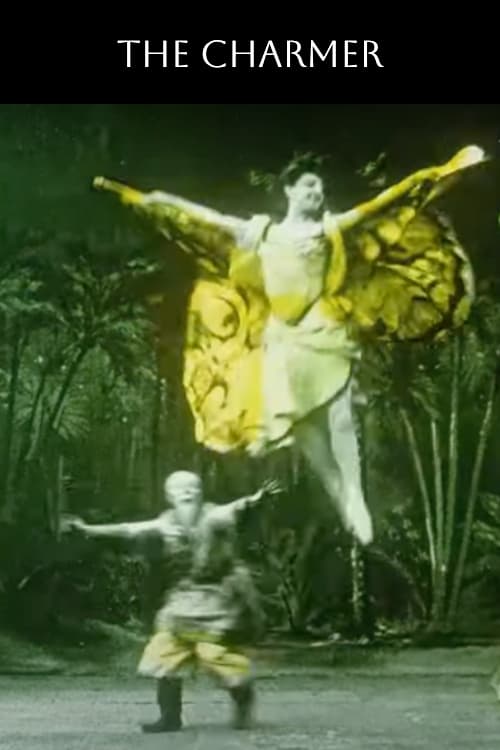
Surviving fragment of a longer film. A magician makes a butterfly woman appear, and a woman in a star. Exhausted, the magician falls asleep and the star woman turns into a spider, dragging the butterfly into her web.
1902
1907
1897
1901
1898
1901
1901
1906
No reviews yet. Be the first to share your thoughts on this movie!
Use the rating form above to leave a star rating and optional review.