
The Spider and the Butterfly
1909
No user ratings available yet
Representation score: 3.2 out of 10
Representation Score
Limited
1902
Not RatedDirector
Georges Méliès
Runtime
3 minutes
Average Rating
No ratings yetNew Showbiz Analysis
Georges Méliès uses a fantastical framework to challenge traditional power structures. Though the film lacks modern markers of diversity such as racial or LGBTQ+ representation, it stands out through its treatment of gender and class dynamics. The story functions as a moral fable where a male figure loses his socioeconomic power. By turning gold into a group of empowered female characters who imprison the miser, the film highlights women's ability to act in a way that contrasts with typical submissive roles of the time. Ultimately, the work questions the stability of traditional economic systems. It uses cosmic irony to suggest that the accumulation of material wealth can lead to instability and profound despair.
Category Breakdown
The film centers on a single interaction between Satan and a miser. There is no indication of non-traditional gender identities or same-sex relationships.
The story shifts focus from a male character to a group of female characters who take the lead in exacting revenge. These girls physically dominate the man.
The cast seems uniform within the context of early French silent cinema. There is no evidence of diverse racial or ethnic representation.
The film critiques capitalist values by punishing a greedy miser. It employs supernatural elements to depict the pursuit of wealth as a source of despair.
There are no characters with visible or invisible disabilities featured in the narrative.
Present on Screen
Limited or Absent
Official Synopsis
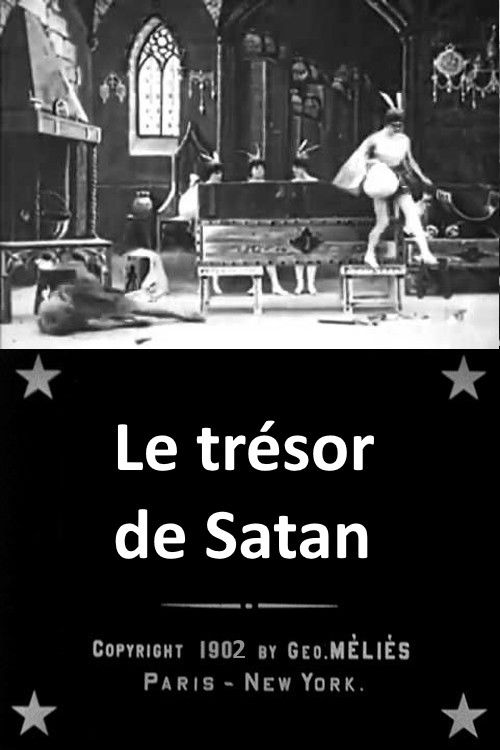
The setting of this fantastic scene represents the hall of an old chateau in which a miser has locked up seven large bags containing his wealth. Satan, who has made his way into the chateau, puts the seven bags in a strong box, and makes with his hands some cabalistic motions. The miser comes into the hall and is greatly astonished to find his fortune missing. He opens the coffer and immediately the bags leap out. He gathers them up and puts them back into the coffer. When he opens it again he finds that they have been transformed into seven young girls, who rush out and chase after him, beating him unmercifully. They shut him up in the coffer from which his gold has vanished. The miser pushes open the lid of the coffer, and to his profound despair finds that both young girls and money have disappeared. (This view is most sensational in its mysterious scenes.) (Star Film Catalog)
1909
1898
1907
1901
1901
1899

1897
1897
No reviews yet. Be the first to share your thoughts on this movie!
Use the rating form above to leave a star rating and optional review.