Land of Smiles: Thailand
1973
No user ratings available yet
Representation score: 4.1 out of 10
Representation Score
Excellent
1988
Director
Johan van der Keuken
Runtime
94 minutes
Average Rating
No ratings yetNew Showbiz Analysis
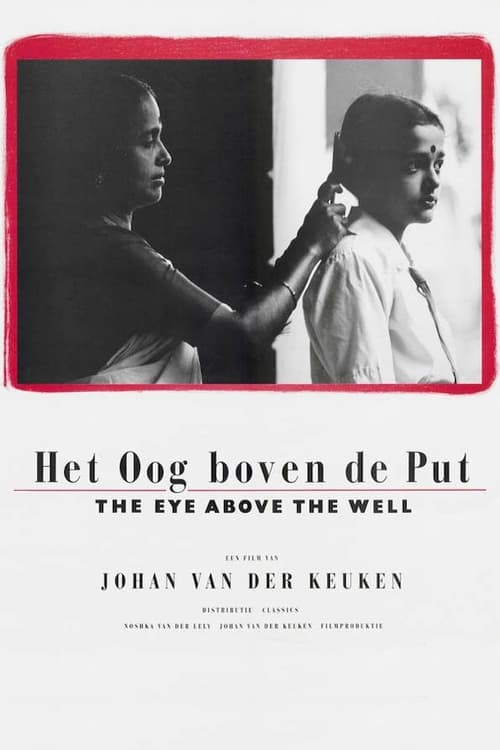
Johan van der Keuken’s documentary serves as a significant piece of ethnographic cinema that disrupts the traditional Western gaze. By centering the rituals, martial arts, and social economies of Kerala, the film elevates South Indian cultural practices to the core of the cinematic experience. The work avoids the pitfalls of 'othering' by presenting the internal logic of a non-Western society. It treats local traditions as sophisticated systems of knowledge rather than peripheral subjects. While the film does not explicitly engage with identity politics regarding gender or LGBTQ+ status, its commitment to a non-Western worldview provides a robust counter-narrative to Eurocentric filmmaking.
Category Breakdown
The documentary focuses on ritual and cultural transmission in Kerala. There are no specific LGBTQ+ character arcs or narratives documented within this observational framework.
The film examines knowledge transmission through family and village structures. It captures organic social roles without explicitly challenging or reinforcing specific gender hierarchies.
The film provides high ability to act to a South Indian community. It disrupts the Western-centric gaze by centering the lived experiences and traditions of a non-Anglo-Saxon majority.
The narrative centers non-Western spiritual and social structures as sophisticated systems. It values communal, localized traditions like song, dance, and religion over individualistic models.
There is no specific evidence regarding the portrayal of physical or neurodivergent identities. The score reflects a lack of documented presence in the film.
Present on Screen
Limited or Absent
Official Synopsis
A poetic depiction of life and ritual in the south Indian state of Kerala. We see how knowledge is passed down from generation to generation: within the family, through the village economy, and especially from teachers to students. Performance footage shows how song, dance, martial arts, and religion constitute the building blocks of a culture.
1973
2002
2013
2004
1986

2011
1993

2016
No reviews yet. Be the first to share your thoughts on this movie!
Use the rating form above to leave a star rating and optional review.