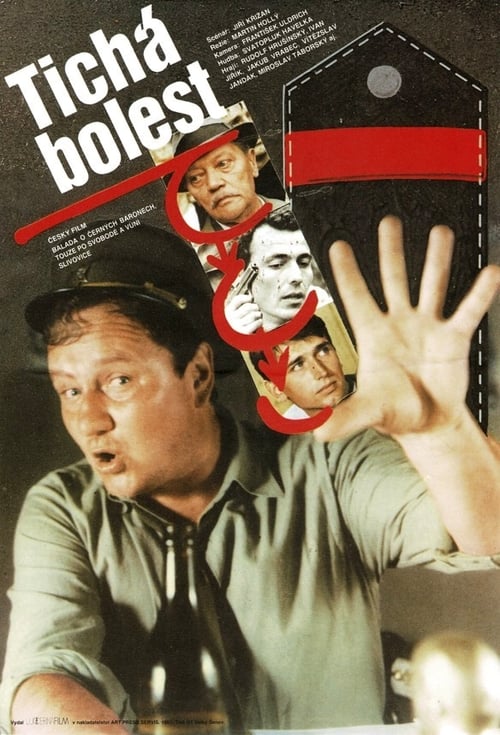
Tichá bolest
1991
No user ratings available yet
Diversity score: 3.5 out of 10
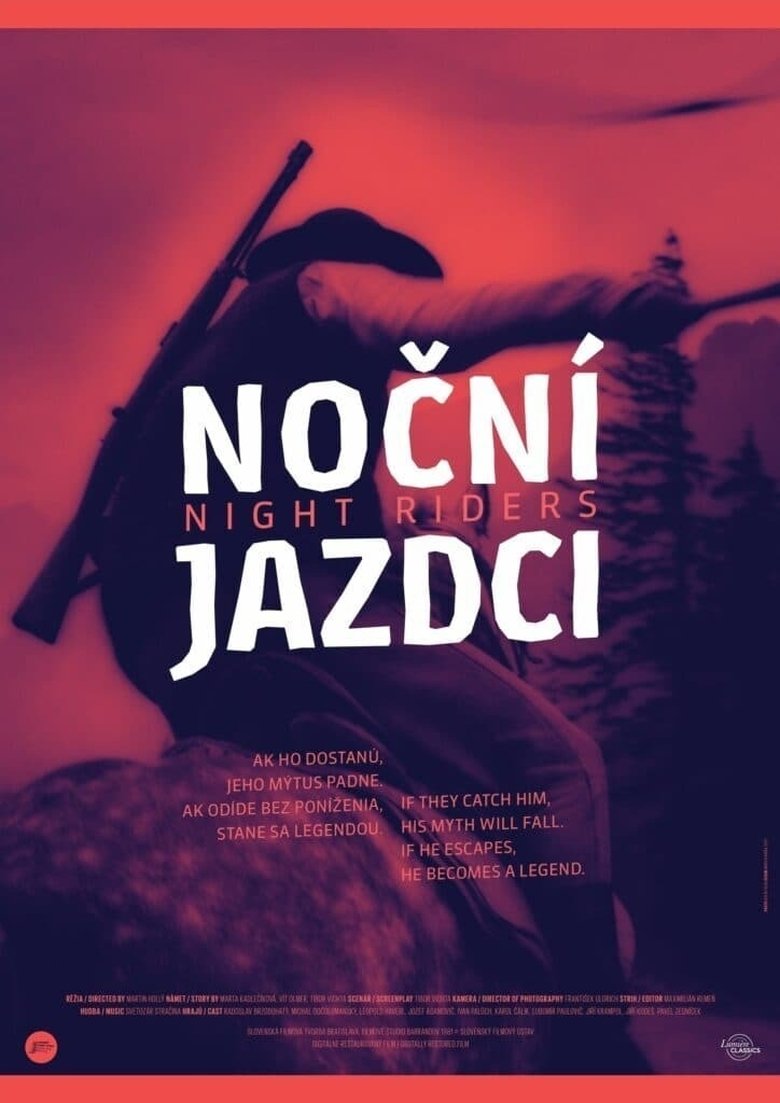
1981
Director
Martin Hollý
Runtime
93 minutes
Average Rating
No ratings yetSynopsis
Two men of principle face each other. One is backed by a whole, however poor village, the other by the law. It is a conflict that reaches it's climax in the closing shoot-out. Instead of the Wild West, the gunshots go off on the Slovak-Polish border. Michal Docolomansky as the horse smuggler and Radoslav Brzobohaty as the customs officer from Prague meet in Holly's Night Riders in a western-like confrontation set in the insecure years of the newly founded Czechoslovak Republic.
Overall Score
Fair
Category Breakdown
LGBTQ+ Representation
The film focuses on a traditional masculine confrontation between two male protagonists. There is no evidence of queer narratives or non-cisnormative identities present.
Gender Representation
Agency is concentrated in the male leads, specifically the smuggler and the customs officer. The story reinforces traditional masculine hierarchies through its focus on physical confrontation and duty.
Racial & Ethnic Diversity
The cast is ethnically homogeneous, yet the film provides meaningful regional representation. It elevates a Slovak-Polish border identity into a cinematic epic.
Religious & Cultural Diversity
The narrative explores the tension between systemic state authority and local autonomy. It critiques centralized institutions by framing the outlaw as a man of principle.
Disability Representation
There is no discernible evidence regarding the inclusion or portrayal of characters with physical or neurodivergent disabilities.
Strengths
Areas for Improvement
AI Analysis
Night Riders functions as a localized deconstruction of Western genre tropes. By transplanting frontier archetypes to the Slovak-Polish border, it challenges the American hegemony of the genre and explores European geopolitical struggles. However, the film remains limited by the sociopolitical frameworks of its era. It lacks modern intersectional markers, particularly regarding gender and sexuality, focusing instead on a rigid, masculine-driven conflict. Ultimately, the film's strength lies in its cultural distinction. It successfully recontextualizes the 'outlaw' archetype within a specific regional landscape, prioritizing local identity over centralized state power.
1991
1978
1964
1995
1976
1972
1980
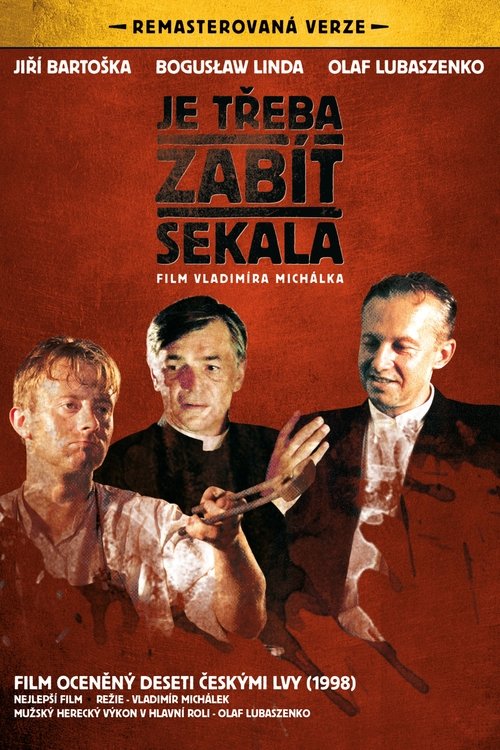
1998

1980
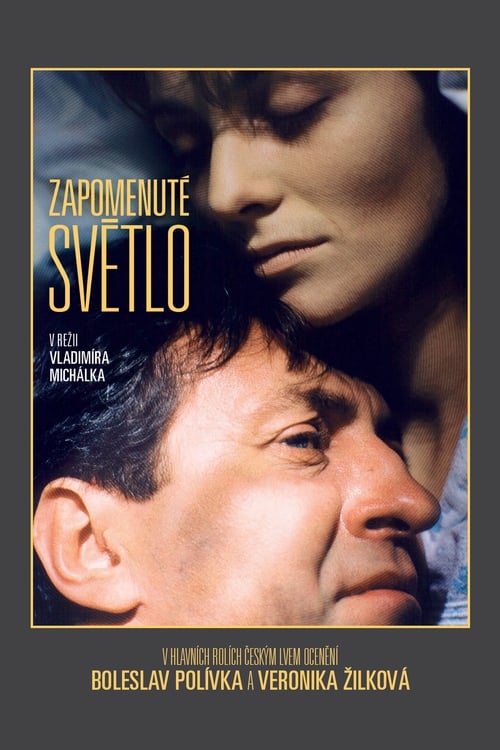
1996
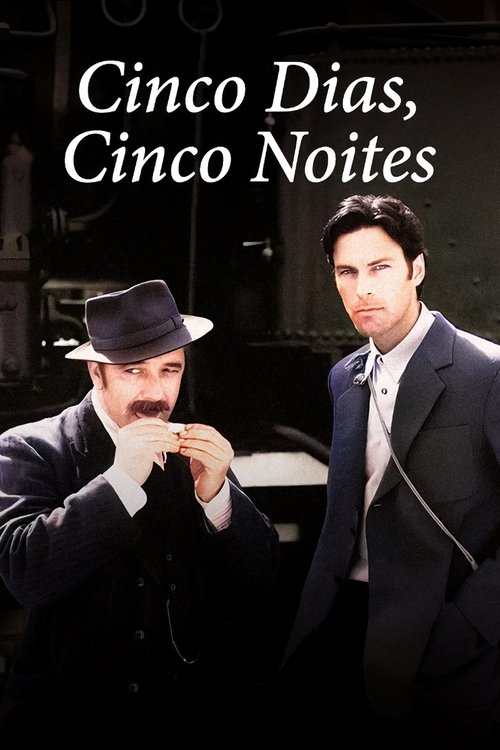
1996
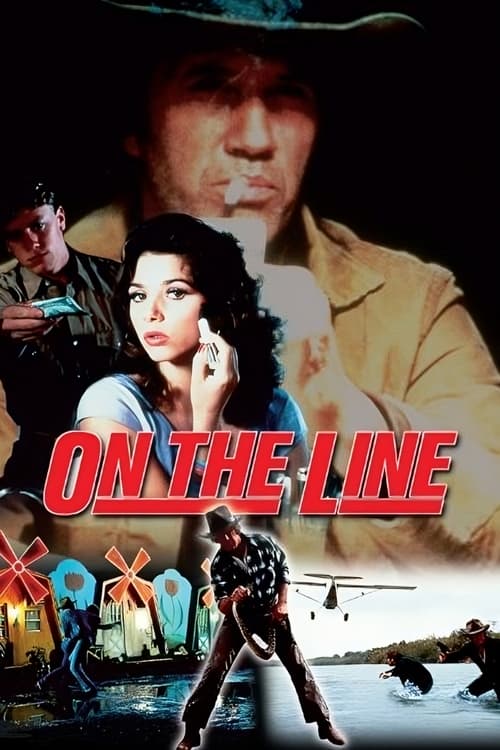
1984
No reviews yet. Be the first to share your thoughts on this movie!
Use the rating form above to leave a star rating and optional review.