
Il toro
1994
No user ratings available yet
Diversity score: 2.7 out of 10

1996
Director
José Fonseca e Costa
Runtime
100 minutes
Average Rating
No ratings yetSynopsis
Portugal, late 1940's. André must leave the country after running away from prison. In Oporto some friends get him a guide, Lambaça, a smuggler who knows very well the Trás-os-Montes border from Portugal to Spain.
Overall Score
Limited
Category Breakdown
LGBTQ+ Representation
The film lacks LGBTQ+ characters or storylines. It adheres to the social constraints of its 1940s setting without addressing non-heteronormative identities.
Gender Representation
The narrative centers on masculine experiences of survival, focusing on André and his guide, Lambaça. Female characters lack significant agency or presence in the plot.
Racial & Ethnic Diversity
The film reflects the demographic realities of 1940s Portugal. It features a localized, ethnically consistent population with minimal intersectional variety.
Religious & Cultural Diversity
The story explores evasion of state authority and moral complexity. However, it lacks a documented ideological framework or radical systemic critique.
Disability Representation
There is no evidence of characters with physical or neurodivergent disabilities within the narrative.
Strengths
Areas for Improvement
AI Analysis
Five Days, Five Nights is a period drama that prioritizes historical authenticity and genre tension over modern progressive frameworks. The story focuses on a man's struggle against the state, a classic trope that provides moral ambiguity but avoids deconstructing social hierarchies. The film's low diversity score reflects its adherence to the demographic and social norms of mid-century Portugal. It functions as a character-driven thriller rather than a vehicle for intersectional representation.
1994

1943

1998

2000

2004
1937
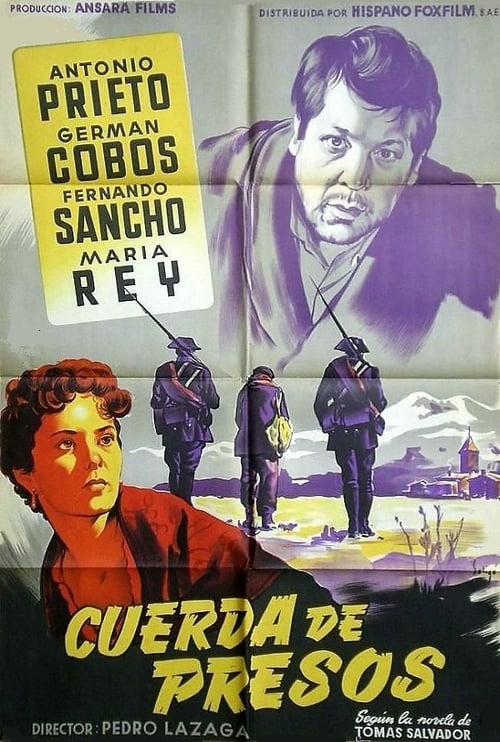
1956

1984
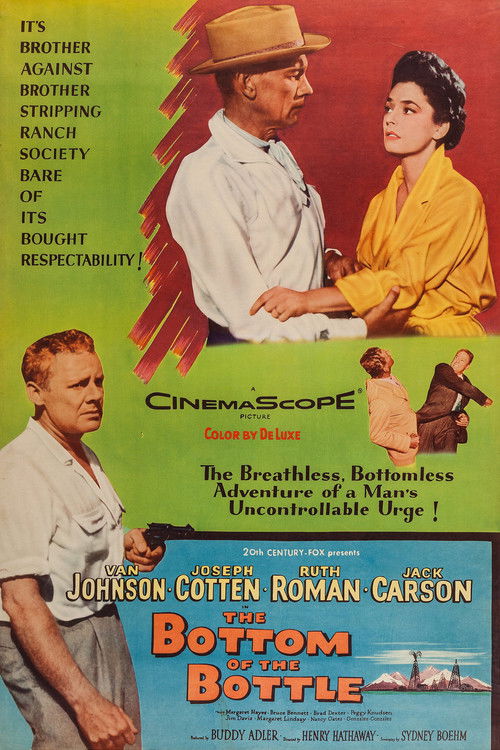
1956
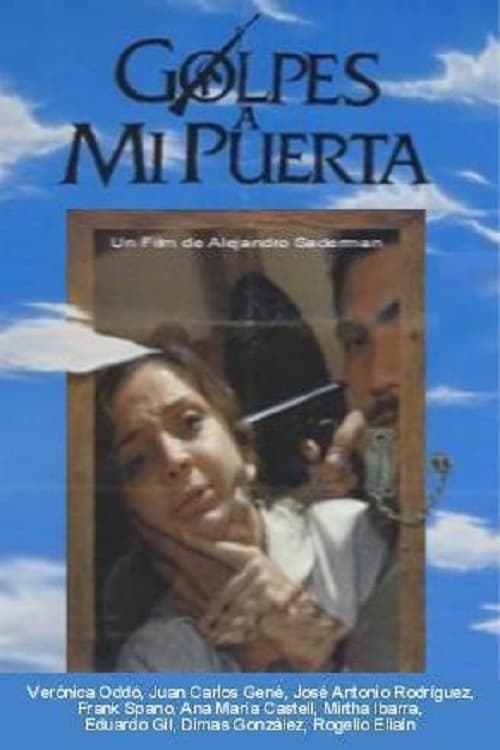
1994
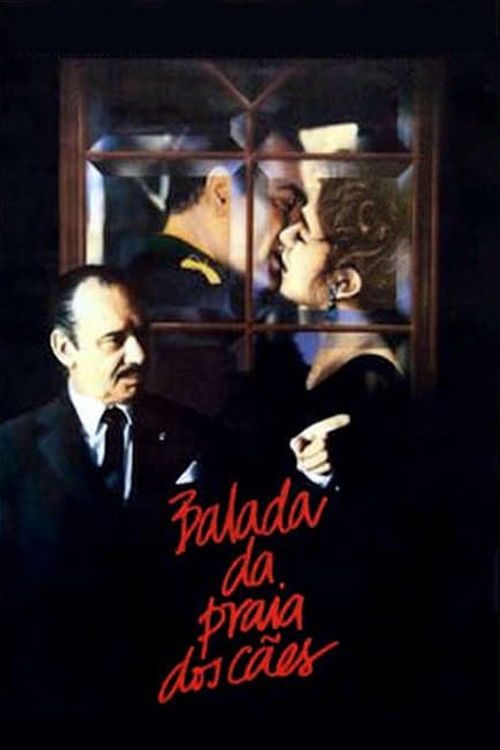
1987
1971
No reviews yet. Be the first to share your thoughts on this movie!
Use the rating form above to leave a star rating and optional review.