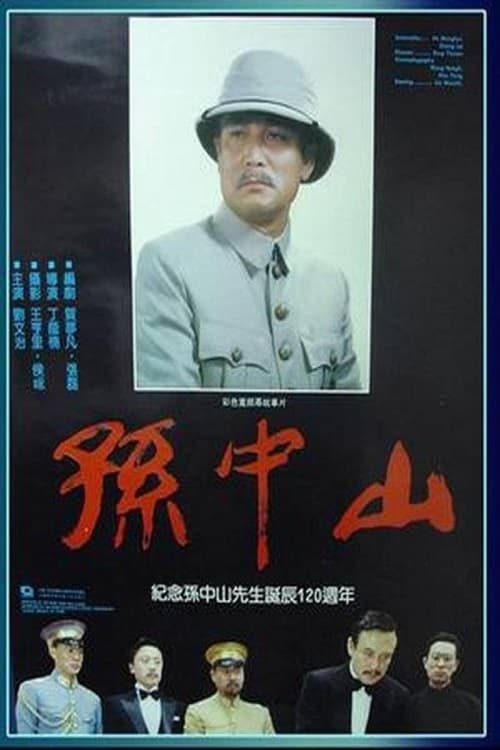
Dr. Sun Yat-sen
1986
No user ratings available yet
Representation score: 3.7 out of 10
Representation Score
Limited
1986
Director
Ting Shan-Hsi
Runtime
156 minutes
Average Rating
No ratings yetNew Showbiz Analysis
This biographical epic excels in ethnic authenticity, providing a strong representation of Chinese identity that resists Western-centric casting norms. By centering the struggle for national sovereignty, it offers a powerful anti-colonial perspective. However, the film is constrained by the social hierarchies of its era. The narrative relies on a binary moral framework and traditional gender roles, which limits its engagement with modern multi-layered themes. Ultimately, it serves as a culturally specific historical reconstruction rather than a tool for social deconstruction.
Category Breakdown
The film follows the historical and social norms of the late 19th and early 20th centuries. There are no non-binary gender identities or queer narratives present.
Power remains centered around male political figures, reflecting traditional gender hierarchies. While Sun Yat-sen's relationships are highlighted, the film does not challenge traditional masculine leadership.
The production showcases high ethnic authenticity with a predominantly Chinese cast. It avoids whitewashing and highlights Chinese ability to act against external imperialist pressures.
The narrative prioritizes an anti-imperialist framework that challenges Western-centric historical perspectives. However, it maintains a traditional moral structure of heroes versus villains.
There is no focus on visible or invisible disabilities within the production.
Present on Screen
Limited or Absent
Official Synopsis
As befits the telling of the story of perhaps the most universally beloved hero of modern-day Chinese history Dr. Sun Yat-Sen (1866-1925), this lavishly produced biographical film uses techniques culled from Chinese Opera to dramatize the great man's political history. Concentrating on the period following his rise to political prominence in 1894 until his death in 1925, the movie is couched in terms of heroes who look heroic and villains who look villainous. Huge numbers of extras and vast battle scenes dot this production, and well-known Hong Kong and Taiwan-based movie stars appear in many cameos.
1986
1989
1981
1927
1989
1987

2009
1983
No reviews yet. Be the first to share your thoughts on this movie!
Use the rating form above to leave a star rating and optional review.