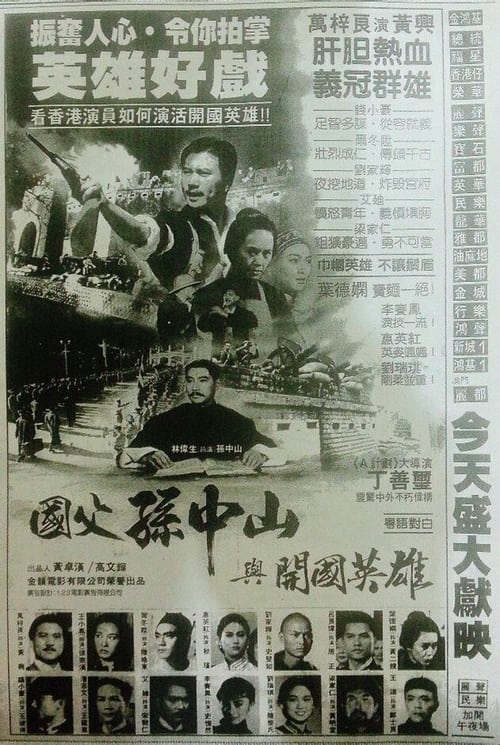
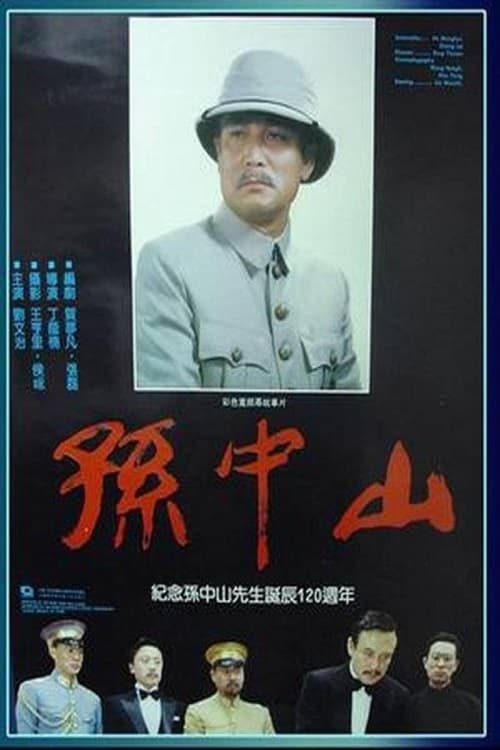
The Story of Dr. Sun Yat Sen
1986
No user ratings available yet
Representation score: 2.9 out of 10
Representation Score
Limited
1986
Director
Ding Yinnan
Runtime
150 minutes
Average Rating
No ratings yetNew Showbiz Analysis
Dr. Sun Yat-sen is a powerful piece of anti-colonial cinema that centers a non-Western historical narrative. It successfully challenges Western dominance by framing the struggle for Chinese sovereignty as a primary driver of the plot. While the film excels in ethnic and cultural representation, it remains constrained by the historical period's social structures. The gender dynamics reflect traditional patriarchal hierarchies, even if certain female characters show revolutionary ability to act. Ultimately, the film's value lies in its systemic resistance to imperialist influence, offering a perspective on global political transformation that avoids the typical Anglo-Saxon lens.
Category Breakdown
The film follows a strictly heterosexual and cisgender framework. There are no depictions of LGBTQ+ identities or same-sex relationships.
The narrative reflects the patriarchal hierarchies of the late Qing Dynasty. However, Soong Ching-ling is portrayed as an active revolutionary partner rather than a passive domestic figure.
The film centers a non-Western protagonist and Chinese cast. This shifts the focus away from a Western-centric gaze by emphasizing Chinese autonomy.
The story provides a strong post-colonial critique by framing imperialist powers as antagonists. It prioritizes nationalist sentiments and the shift toward a republican government.
There are no significant depictions of physical or neurodivergent disabilities that serve as central character traits or plot drivers.
Present on Screen
Limited or Absent
Official Synopsis
Dr. Sun Zhongshan leads a democratic revolution in China.
1986
1989
1987
2009

2009

2010
1981
2021
No reviews yet. Be the first to share your thoughts on this movie!
Use the rating form above to leave a star rating and optional review.