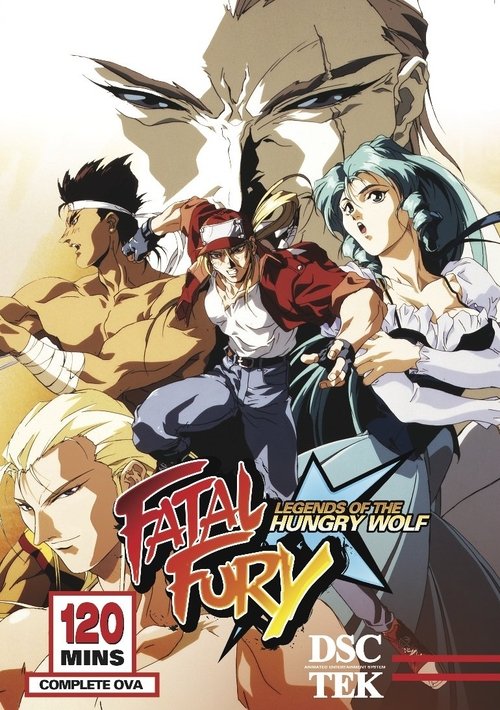
Fatal Fury: Legend of the Hungry Wolf
1992
No user ratings available yet
Representation score: 3.6 out of 10
Representation Score
Fair
1993
Director
Kazuhiro Furuhashi
Runtime
75 minutes
Average Rating
No ratings yetNew Showbiz Analysis
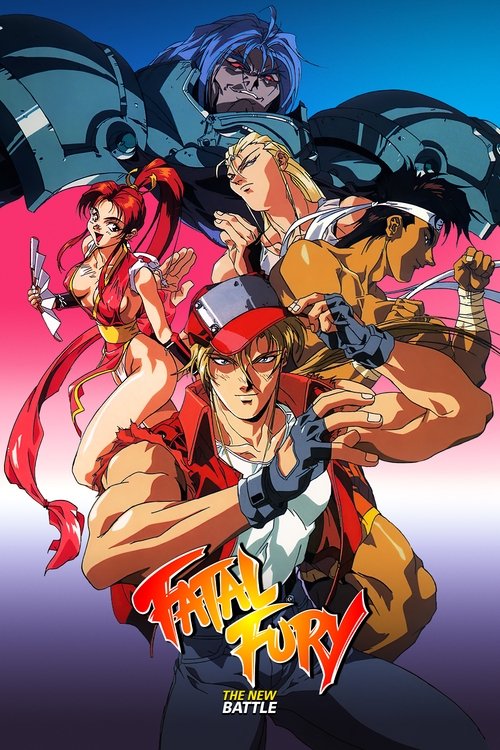
Fatal Fury 2: The New Battle is a genre-standard action animation that celebrates traditional martial arts clichés and individualist heroism. It does not aim to challenge established hierarchies or explore complex identity politics. While the film offers a multicultural cast, it remains tied to conventional gender roles and lacks representation of certain disabilities.
Category Breakdown
The film follows a traditional structure focused on heterosexual relationships and male bonding, with no representation of LGBTQ+ identities or same-sex intimacy.
The cast is primarily male, with physical strength and ability to act centered around male protagonists. Female characters like Mai Shiranui showcase martial arts skills but often operate within the context of male-led narratives.
The film features a diverse international cast of fighters, including characters from America and Japan, creating a multicultural backdrop that reflects a globalized martial arts setting.
The narrative follows standard action clichés, presenting conflicts between heroes and criminal syndicates. It does not delve into anti-Western or anti-capitalist themes.
The film does not focus on visible or invisible disabilities. Characters are defined by their physical prowess rather than conditions such as neurodivergence or chronic illness.
Present on Screen
Limited or Absent
Official Synopsis
Terry is fighting abroad when a boy named Tony, who wants to be Terry's student, follows him despite his mother and Terry's wishes. When Terry Bogard is defeated by a foe more powerful than he's ever seen before, Terry falls into depression and turns to the bottle. While his friends go after this new foe, Tony must restore Terry's faith... and once he realizes that only he can defeat this ruthless fiend.
1992
1988
2005
1987
1993
1996
1999
2016
No reviews yet. Be the first to share your thoughts on this movie!
Use the rating form above to leave a star rating and optional review.