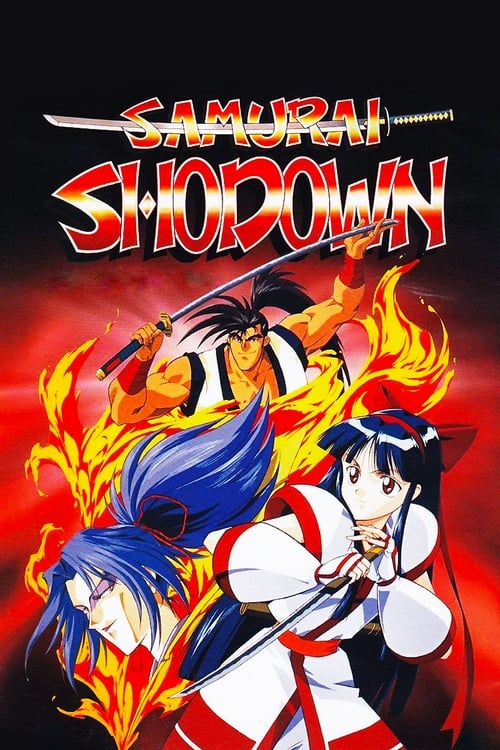
Samurai Shodown: The Motion Picture
1994
No user ratings available yet
Representation score: 3.9 out of 10
Representation Score
Fair
1996
Director
Masami Obari
Runtime
60 minutes
Average Rating
No ratings yetNew Showbiz Analysis
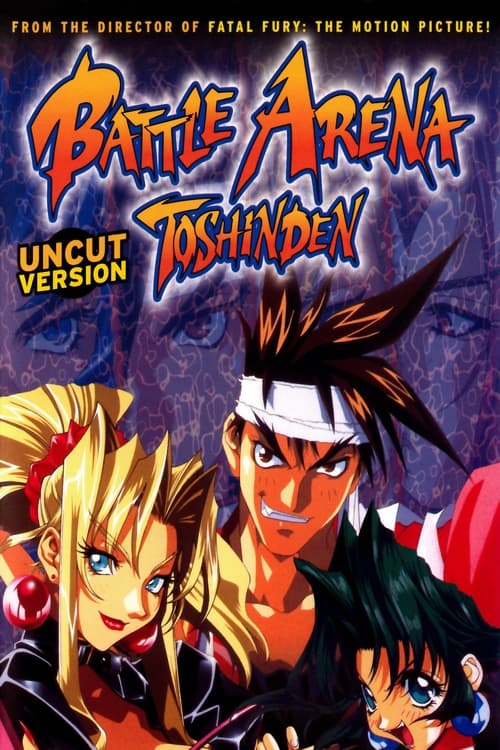
Battle Arena Toshinden presents a traditional action film that uses a diverse cast to enhance its visual appeal. While it avoids making women passive by including them in combat, the story remains centered around the male protagonist's journey. The diversity in the cast is mostly surface-level, serving the needs of the martial arts genre rather than offering deep sociological insights. Characters are defined by their fighting styles and aesthetic designs rather than complex cultural or layered identities. Overall, the film does not delve deeply enough to address systemic issues or progressive social frameworks, sticking to well-known genre formulas and straightforward morality.
Category Breakdown
The film does not feature any LGBTQ+ characters or narratives that question the assumption that everyone is straight or cisgender.
Women like Sofia compete alongside men in the tournament. These characters have physical strength and combat skills, but the story mainly follows the male protagonist's journey.
The cast includes fighters from various backgrounds, but their roles are primarily decorative. Characters are defined by their fighting styles rather than detailed cultural backgrounds.
The story follows a typical hero's journey against a villainous organization. It uses standard martial arts clichés without delving into deeper cultural or moral themes.
The narrative emphasizes peak physical performance and combat skills. There are no characters with visible or invisible disabilities given significant roles.
Present on Screen
Limited or Absent
Official Synopsis
For one year, Master Swordsman Eiji Shinjo has been haunted by the memory of his battle with the renegade champion, Gaia. A battle that was cut short by the forces of the malevolent syndicate known as "The Organization." Denied victory, Eiji left the tournament followed by his opponent's mocking laughter. Worse still, Eiji walked away no closer to finding his long lost brother, Sho. But now, a mysterious warrior is hunting down the champions of the previous tournament and using their own moves against them, and it looks like that person may be Sho. Who is this powerful, new foe and who be his next target? Eiji and Kayin, his closest friend and greatest rival, struggle to unravel the mystery before they too join the ranks of the defeated. The answer lies at the heart of The Organization and its plans for world domination. At last, the ultimate battle between the greatest fighters in the world will be decided. But if Eiji loses, his friend, Ellis, may Die...
1994
1988
1993
1997
1992
2021
2005
2020
No reviews yet. Be the first to share your thoughts on this movie!
Use the rating form above to leave a star rating and optional review.