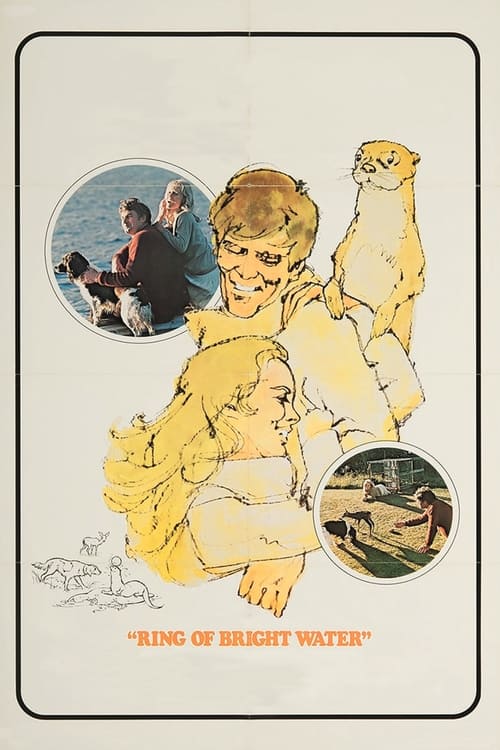
Ring of Bright Water
1969
No user ratings available yet
Diversity score: 1.8 out of 10
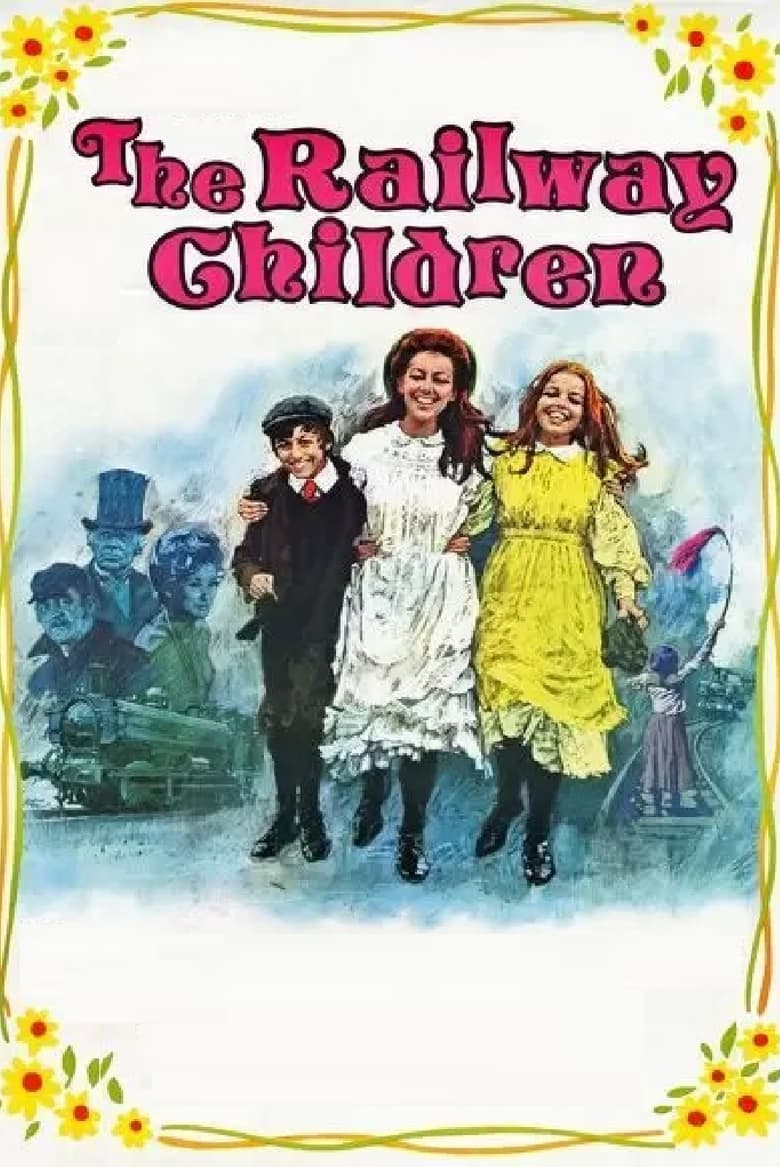
1970
GDirector
Lionel Jeffries
Runtime
109 minutes
Average Rating
No ratings yetSynopsis
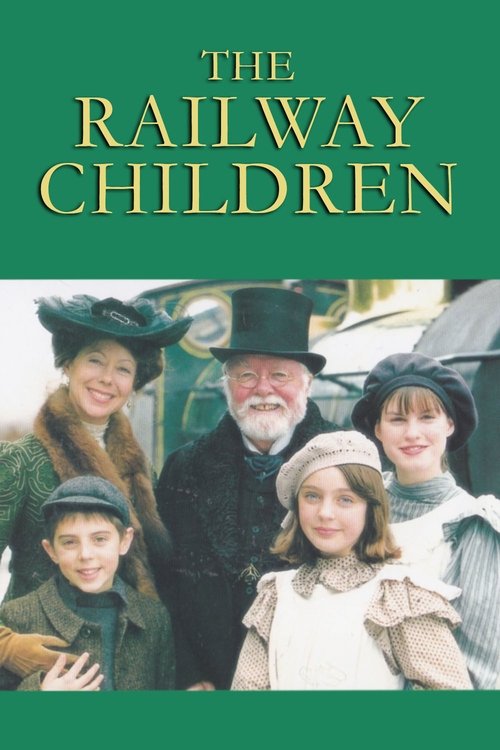
At the dawn of the 20th century, following their father's arrest on suspicion of betraying state secrets, the three Waterbury children—Bobbie, Phyllis and Peter—move with their mother to Yorkshire, where they find themselves involved in unexpected dramas along the railway by their new home.
Overall Score
Minimal
Category Breakdown
LGBTQ+ Representation
The film adheres strictly to Edwardian social constraints. There are no depictions of non-cisnormative identities or same-sex intimacy.
Gender Representation
Bobbie demonstrates significant agency and leadership among her siblings. However, the film remains rooted in traditional Edwardian norms regarding masculine authority.
Racial & Ethnic Diversity
Casting reflects the demographic homogeneity of rural Edwardian England. The narrative focuses on a localized, culturally specific British experience.
Religious & Cultural Diversity
The story reinforces the sanctity of the nuclear family and community stability. It promotes a moral framework centered on resilience and social order.
Disability Representation
There is no representation of physical, sensory, or neurodivergent disabilities. The plot focuses on socioeconomic shifts rather than lived experiences of disability.
Strengths
Areas for Improvement
AI Analysis
The film is a quintessential period drama that prioritizes nostalgia and familial cohesion over social subversion. It operates within a highly structured, traditionalist framework that reinforces classical values of the early 20th century. While the characterization of the mother and the eldest daughter provides some depth to female roles, the narrative lacks engagement with racial, sexual, or disability-related diversity. The focus remains squarely on a homogeneous, localized British experience. Ultimately, the film serves as a study of resilience within a conservative social environment, seeking to preserve rather than challenge established hierarchies.
1969

2000
2004

1945

1969

1953
1973
1993
2000

1959
1988
1983
No reviews yet. Be the first to share your thoughts on this movie!
Use the rating form above to leave a star rating and optional review.