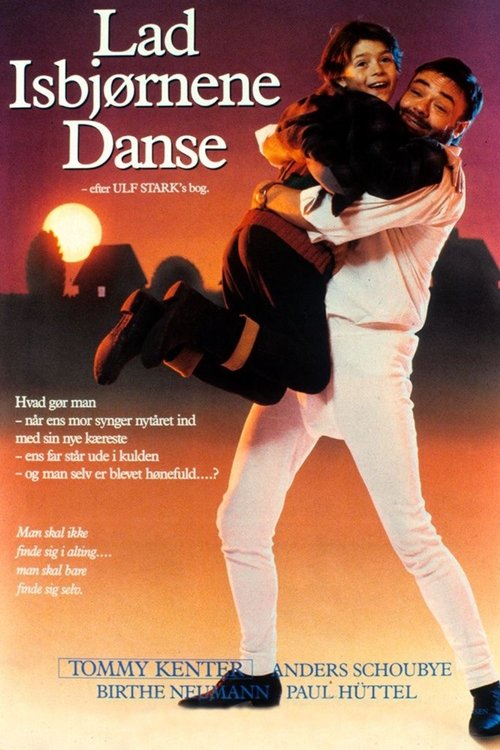
Dance of the Polar Bears
1990
No user ratings available yet
Diversity score: 3.4 out of 10
1957
Director
Annelise Hovmand
Runtime
101 minutes
Average Rating
No ratings yetSynopsis
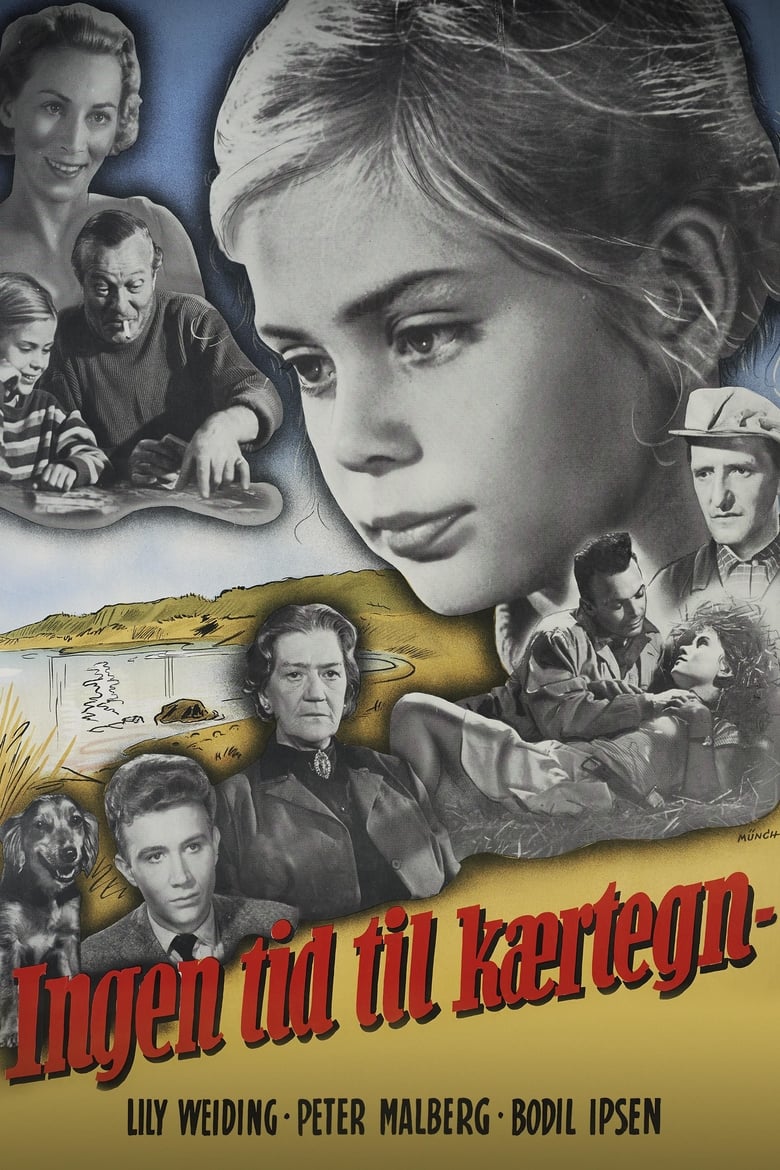
The Danish Ingen tid til Kaertegn (Be Dear to Me) is heavily reliant on the appeal of its star, 8-year-old Eva Cohn. Our heroine is the neglected child of a businessman father and actress mother. Feeling that happiness lies well outside her own backyard, Eva goes on a search for that happiness. The longer she stays away, the more her parents realize that they've unfairly ignored her. The plot is nothing new: it's what is done with it that pleases the eye and ear. Ingen tid til Kaertegn was one of the more popular entries in the 1957 Berlin Film Festival.
Overall Score
Limited
Category Breakdown
LGBTQ+ Representation
The film focuses on a nuclear family unit and traditional domestic frameworks. There are no visible LGBTQ+ characters or narratives that challenge heteronormativity.
Gender Representation
While the child protagonist shows emotional agency, the parents reflect mid-century archetypes. The mother is a professional actress, yet her role remains tied to domestic struggles.
Racial & Ethnic Diversity
This Danish production appears to feature a homogeneous demographic. The cast reflects the standard social compositions of 1950s European cinema without visible racial diversity.
Religious & Cultural Diversity
The story critiques the failure of the traditional family to provide emotional support. However, it ultimately restores the family unit rather than deconstructing it.
Disability Representation
The narrative contains no mention of characters with visible or invisible disabilities.
Strengths
Areas for Improvement
AI Analysis
Be Dear to Me is a mid-century domestic drama that centers on the emotional journey of a neglected child. While it provides a nuanced look at a child's agency against parental neglect, the film remains firmly rooted in the social and demographic norms of its era. The narrative offers a slight critique of the 'perfect family' trope by highlighting parental inadequacy. However, it lacks the intersectional complexity or systemic critique necessary to move beyond conventional storytelling. Ultimately, the film functions as a traditional family drama that seeks to repair rather than reform the existing social structures of the 1950s.
1990
1973

1969
1962

2012
1925

1953
1970

1970

2001
1983
1982
No reviews yet. Be the first to share your thoughts on this movie!
Use the rating form above to leave a star rating and optional review.