
Where the Red Fern Grows
2003
No user ratings available yet
Diversity score: 1.8 out of 10

2001
Director
Nadia Tass
Runtime
95 minutes
Average Rating
No ratings yetSynopsis
As America struggled through the Great Depression in the 1930s, a little girl with big dimples and indescribable charm danced her way into the hearts of moviegoers around the world.
Overall Score
Minimal
Category Breakdown
LGBTQ+ Representation
The film adheres to the heteronormative social constraints of the 1930s. There is no evidence of non-cisnormative gender identities or same-sex intimacy within the character arcs.
Gender Representation
The story explores a female child navigating a male-dominated industry. While the protagonist has professional agency, power dynamics are largely defined by adult male figures exercising control.
Racial & Ethnic Diversity
The production reflects the homogeneous white cast of the 1930s Hollywood studio system. It lacks color-blind casting or the integration of diverse ethnic perspectives.
Religious & Cultural Diversity
The narrative emphasizes traditional Western values, such as the importance of the family unit and the pursuit of the American Dream. It does not critique Western institutions.
Disability Representation
There are no prominent depictions of physical, neurodivergent, or sensory disabilities. The focus remains on the psychological pressures of fame and socioeconomic realities.
Strengths
Areas for Improvement
AI Analysis
This biographical drama prioritizes historical accuracy and the social hierarchies of the Great Depression era. It functions as a period piece that reinforces the conventional norms of the early 20th century rather than disrupting them. The film lacks intersectional representation, focusing almost exclusively on a Caucasian icon within a Western framework. While it examines the pressures of child stardom, it does not challenge the systemic power structures of the time. Ultimately, the work serves as a traditional account of a specific cultural phenomenon, maintaining the racial and gendered status quo of the 1930s Hollywood studio system.
2003
2014
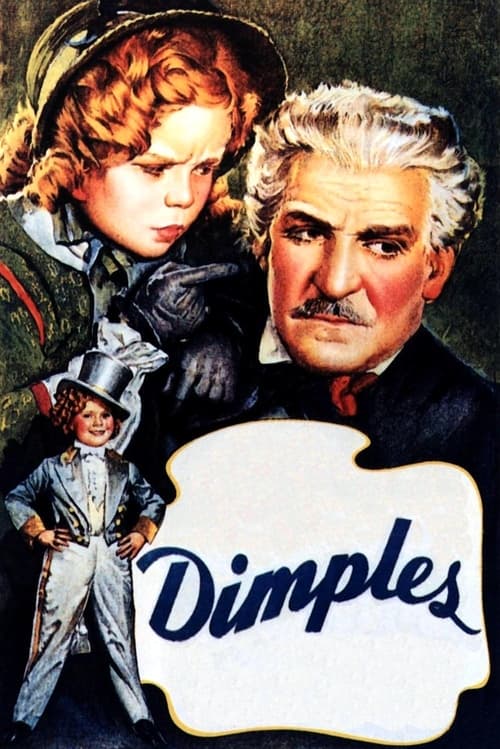
1936

2005
2004
1936
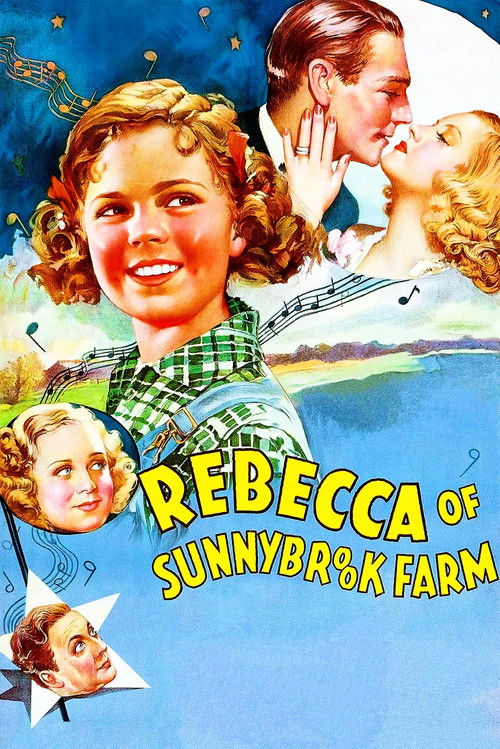
1938
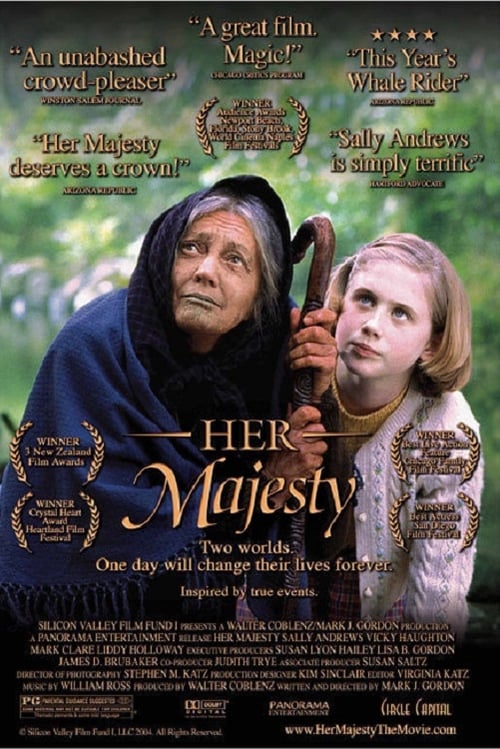
2001

1959
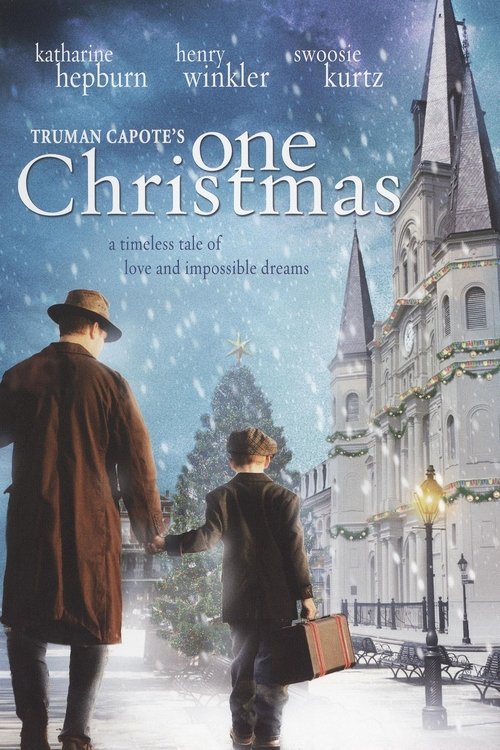
1994
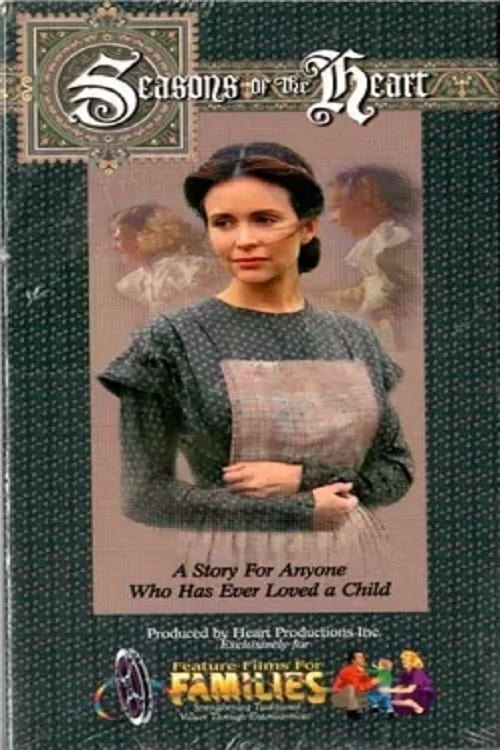
1993
1957
No reviews yet. Be the first to share your thoughts on this movie!
Use the rating form above to leave a star rating and optional review.