
Time Masters
1982
No user ratings available yet
Representation score: 6.7 out of 10
Representation Score
Fair
1981
Director
Roman Kachanov
Runtime
50 minutes
Average Rating
No ratings yetNew Showbiz Analysis
The film offers a progressive, era-specific model of representation by challenging traditional gender roles. Alisa Seleznyova stands as a competent driver of the plot rather than a decorative figure. Diversity is achieved through a cosmic lens, using extraterrestrial life to represent biological and cultural pluralism. This de-centers singular human identities in favor of a universalist perspective. However, the work lacks explicit characters who reflect more than one aspect of diversity. It adheres to the social and secular norms of its production era, focusing on scientific optimism rather than modern social deconstruction.
Category Breakdown
The film does not include any LGBTQ+ characters or explore non-cisgender identities. Relationships focus on family ties and professional collaborations within traditional social structures.
Alisa Seleznyova challenges traditional gender roles by serving as a highly capable, active protagonist. Her intellectual curiosity and competence challenge the stereotype of the passive or secondary female character.
The narrative employs a cosmic approach to diversity through various extraterrestrial life forms. This shifts the focus from terrestrial ethnic distinctions toward a universalist view of sentient life.
The story promotes a secular, utopian vision of society centered on scientific advancement. It favors communal human progress and collective endeavor over religious or individualistic frameworks.
There are no prominent depictions of physical or neurodivergent disabilities. Characters are presented as idealized explorers within a highly functional, high-tech environment.
Present on Screen
Limited or Absent
Official Synopsis
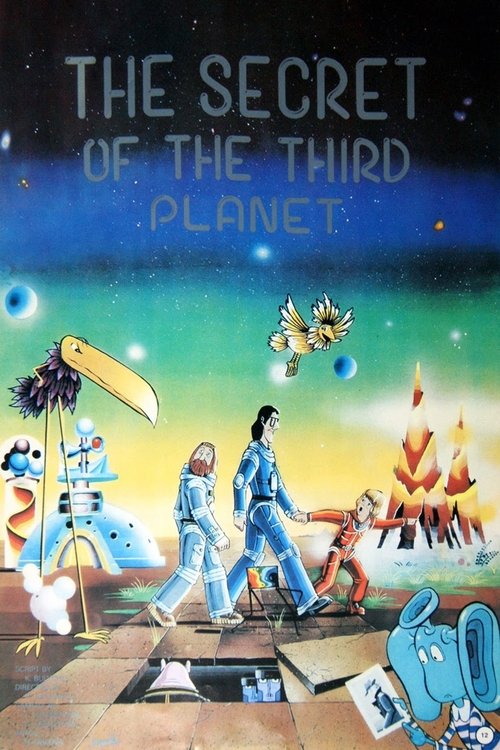
At the end of the 22nd century Alisa Seleznyova, her father Professor Seleznyov and pilot Zelyony go on a space expedition to find rare animals for Moscow Zoo. On the way they seem to encounter a mysterious conspiracy led by Doctor Verhovtsev against legendary Two Captains Kim and Buran. The only clue is a talking bird Сhatterer [Govorun] that our heroes accidentally took possession of.
1982
1987
1985
1974

1974
1974
2023
1971
No reviews yet. Be the first to share your thoughts on this movie!
Use the rating form above to leave a star rating and optional review.