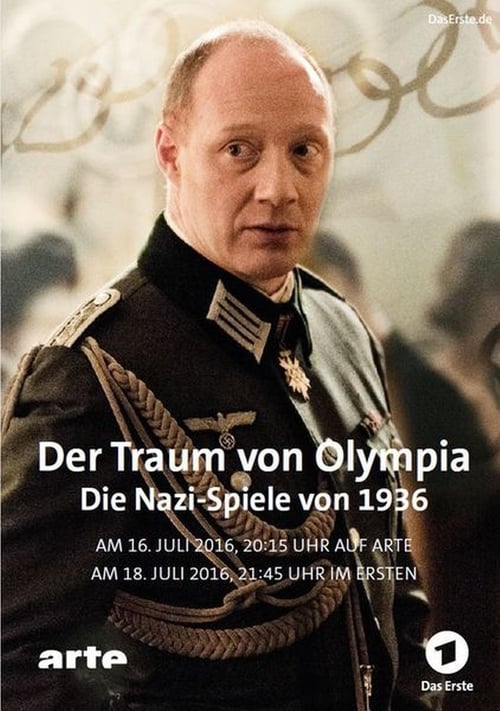
The Olympic Dream: 1936 Nazi Games
2016
No user ratings available yet
Representation score: 2.1 out of 10

Representation Score
Fair
2016
Director
Jérôme Prieur
Runtime
85 minutes
Average Rating
No ratings yetNew Showbiz Analysis
The documentary serves as a historical critique of systemic propaganda rather than a celebration of identity. It prioritizes the deconstruction of the Nazi regime's curated image of stability and peace over individual representation. While the film lacks progressive identity narratives, it gains merit through its analytical stance against corrupt nationalist institutions. The low scores in specific categories reflect the exclusionary reality of the 1936 era rather than a lack of critical intent. Ultimately, the work functions as a study of how state power manipulates social narratives, using the Olympics as a backdrop to expose the underlying violence of the period.
Category Breakdown
The documentary focuses on geopolitical spectacle and the Nazi propaganda machine rather than LGBTQ+ identity. It lacks specific character arcs or narratives centered on LGBTQ+ individuals during this era of systemic persecution.
The film explores the regime's presentation of a rejuvenated, athletic Germany. While it likely critiques rigid, traditional gender roles used for political manipulation, the content centers on masculine-coded displays of state power.
The narrative examines the tension between the regime's pursuit of racial homogeneity and the diversity of international competitors. It highlights how athletic achievement disrupted the racial hierarchies the Nazi state attempted to manage.
The film provides a critical perspective by deconstructing the peaceful veneer of the 1936 Games. It challenges the legitimacy of the Nazi state and critiques nationalism as a tool for oppression.
Disability is likely treated through the lens of systemic victimhood and eugenics rather than individual ability to act. There is no evidence of neurodivergent or physical disability representation providing real power to subjects.
Present on Screen
Limited or Absent
Official Synopsis
Summer 1936 - The Berlin Olympics, organized by the Nazi regime on the eve of World War II, acted as a grand showcase for a Germany that was athletic, peaceful and rejuvenated. The violence and hate that until then had reigned in the streets of Berlin suddenly vanished. Adolf Hitler became the triumphant host of European countries he would soon try to invade or face in a deadly global conflict.
2016
1938
2017

1935

2017

2012
2012
1977
No reviews yet. Be the first to share your thoughts on this movie!
Use the rating form above to leave a star rating and optional review.