
The Forgotten Plague
2015
No user ratings available yet
Diversity score: 5.0 out of 10
2009
TV-PGDirector
Sarah Colt
Runtime
55 minutes
Average Rating
No ratings yetSynopsis
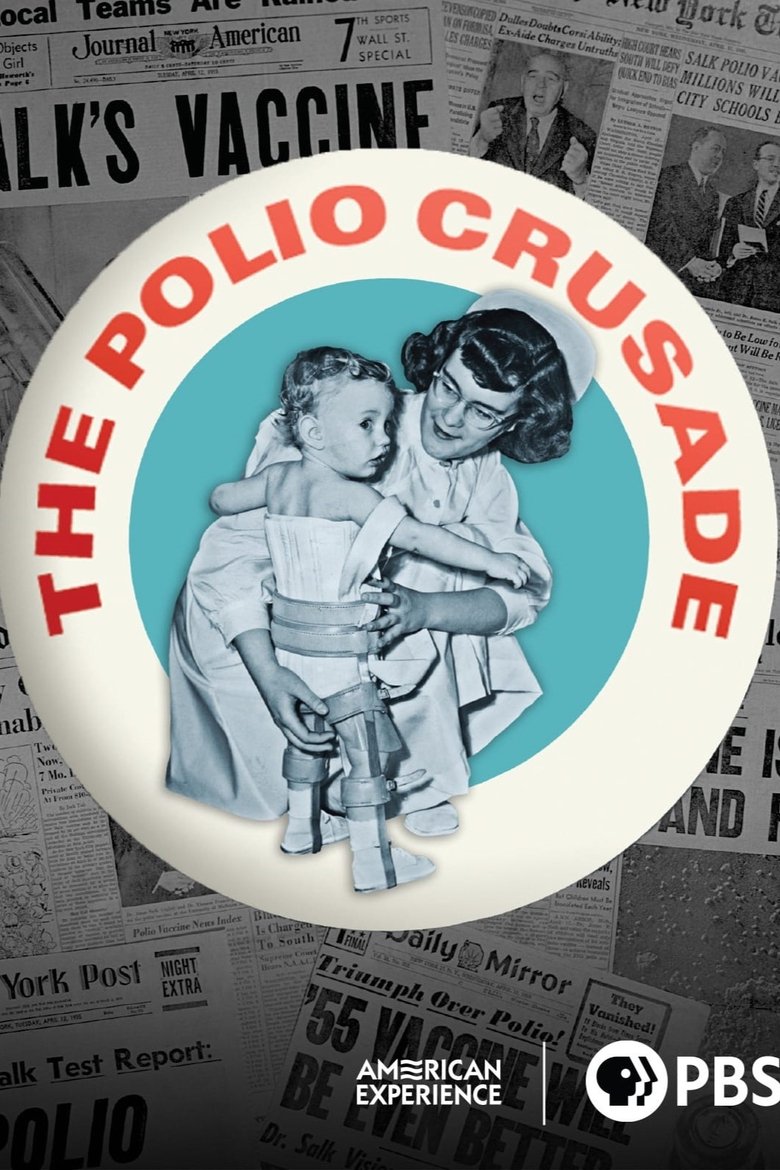
The film interweaves the personal accounts of polio survivors with the story of an ardent crusader who tirelessly fought on their behalf while scientists raced to eradicate this dreaded disease. Based in part on the Pulitzer Prize-winning book Polio: An American Story by David Oshinsky, Features interviews with historians, scientists, polio survivors, and the only surviving scientist from the core research team that developed the Salk vaccine, Julius Youngner.
Overall Score
Fair
Category Breakdown
LGBTQ+ Representation
The film focuses on medical history and the scientific race for the Salk vaccine. There is no evidence of LGBTQ+ characters or narratives exploring non-heteronormative identities.
Gender Representation
The narrative centers on mid-20th-century scientific and crusading efforts. While survivor accounts may offer nuanced views, the historical context often emphasizes traditional masculine leadership in science.
Racial & Ethnic Diversity
Framed as an American story, the film focuses on domestic history. The emphasis on core research teams suggests a potential lean toward a more homogeneous depiction of medical progress.
Religious & Cultural Diversity
The film operates within a framework of Western scientific triumph. It prioritizes institutional progress and medical intervention over a critique of social or cultural institutions.
Disability Representation
The film provides significant agency to survivors by centering their personal accounts. This approach avoids clinical observation, allowing lived experience to drive the historical weight.
Strengths
Areas for Improvement
AI Analysis
The documentary excels in its respectful treatment of disability, moving beyond clinical observation to center the voices of polio survivors. This provides a meaningful, agentic perspective on physical disability. However, the film adheres to traditional historical tropes. By focusing on institutional scientific achievement and mid-century medical progress, it lacks significant engagement with intersectional identities or the subversion of systemic power dynamics. Ultimately, the work serves as a focused scientific chronicle. While it offers deep representation for the disabled community, it remains limited in its exploration of broader social and cultural diversity.
2015

2024

2014

1957

2021
2003

2007

2013

2020
2014
2012

2020
No reviews yet. Be the first to share your thoughts on this movie!
Use the rating form above to leave a star rating and optional review.