Saul and David
1964
No user ratings available yet
Diversity score: 2.4 out of 10
1957
PGDirector
Grigori Kozintsev
Runtime
102 minutes
Average Rating
No ratings yetSynopsis
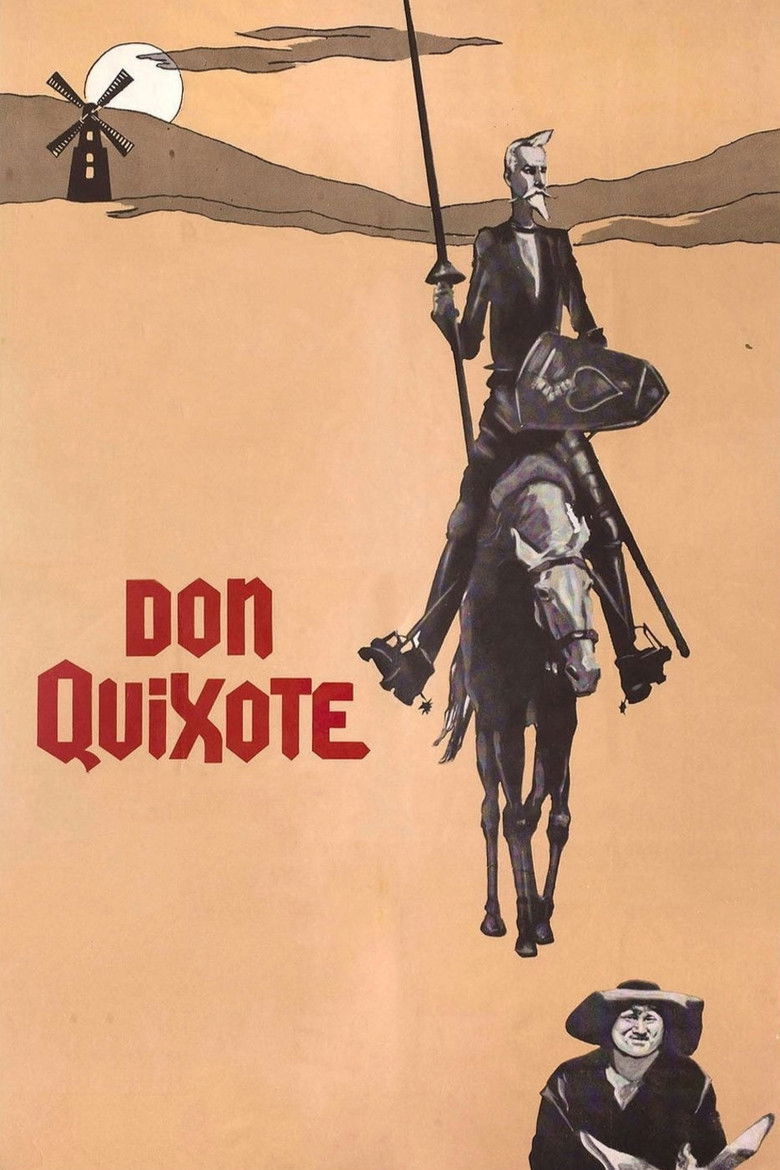
Senor Quexana has read so many books on chivalry that he believes that he is the knight Don Quixote de la Mancha. So Don Quixote sets off on his horse, accompanied by his squire Sancho Panza on a mule, to perform valiant deeds. They mistakenly save the Lady Altisidora who is so amused that she invites them to visit the Duke to provide some merriment at court. Among other deeds, Don Quixote frees some prisoners, who then turn upon him, and Don Quixote attacks a windmill that he imagines is a monstrous wizard.
Overall Score
Limited
Category Breakdown
LGBTQ+ Representation
The film contains no discernible LGBTQ+ characters or non-cisnormative identities. The narrative focuses strictly on the chivalric and master-servant dynamics of the era.
Gender Representation
The story is heavily centered on a male-dominated quest. Female characters like Lady Altisidora act as plot catalysts or objects of delusion rather than autonomous agents.
Racial & Ethnic Diversity
The cast is ethnically homogeneous, reflecting the 17th-century Spanish setting. There is no evidence of color-blind casting or attempts to disrupt the historical demographic context.
Religious & Cultural Diversity
The film explores socioeconomic divides between the noble Quixote and peasant Sancho Panza. It deconstructs landed gentry traditions through the lens of Quixote's perceived madness.
Disability Representation
Don Quixote's madness serves as a literary device to drive the adventure. It functions as a philosophical theme rather than a nuanced portrayal of neurodivergence.
Strengths
Areas for Improvement
AI Analysis
Kozintsev’s adaptation is a character-driven study of idealism versus pragmatism. It prioritizes the psychological journey of the protagonist and his bond with Sancho Panza over modern identity-driven narratives. The film adheres closely to the historical and literary context of Cervantes' work. This results in a production that maintains the traditional social and demographic structures of the period. While the film offers a sophisticated look at class and the human psyche, it lacks the intentionality to disrupt established hierarchies of gender, race, or identity.
1964
1992
1968
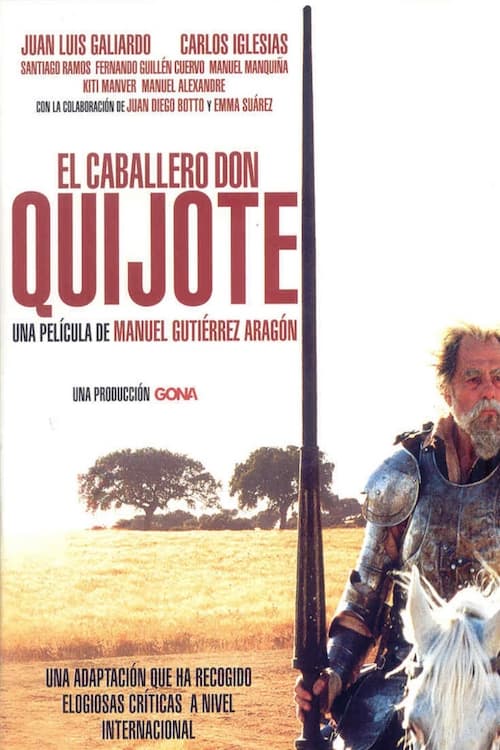
2002
1958
1955

1956
1980
1958
1960
1962
2015
No reviews yet. Be the first to share your thoughts on this movie!
Use the rating form above to leave a star rating and optional review.