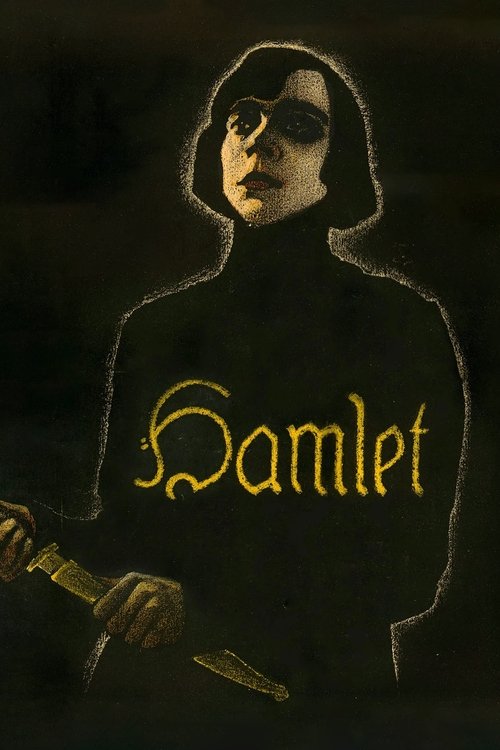
Hamlet, Prince of Denmark
1907
No user ratings available yet
Representation score: 0.3 out of 10
Representation Score
Fair
1921
Director
Svend Gade, Heinz Schall
Runtime
112 minutes
Average Rating
No ratings yetNew Showbiz Analysis
This 1921 adaptation centers a female character in the role of Prince Hamlet, offering a radical departure from the traditional Shakespearean text. This structural choice subverts traditional gender roles and political ability to act for the time. However, the film lacks diversity in casting and cultural themes. It remains rooted in a classical European dramatic structure, limiting its exploration of broader racial and neurodivergent issues. Ultimately, the film's strength lies in its disruption of traditional gender roles, while it falls short in addressing broader racial and neurodivergent complexities.
Category Breakdown
The film features a female protagonist who pretends to be a prince, challenging traditional gender roles and exploring non-traditional gender identities through her hidden persona.
By placing a woman in the role of the primary political actor, the film challenges traditional gender hierarchies. The protagonist demonstrates significant influence through intellectual deception and strategic maneuvering, traits usually associated with male leads.
The production appears to follow the homogeneous casting standards of 1921 Danish cinema. There is no evidence of diverse ethnic identities or non-Anglo-Saxon casting within this traditional European setting.
The narrative explores systemic corruption and the breakdown of the monarchy and familial units. However, it remains rooted in a classical dramatic structure without addressing anti-Western or anti-capitalist themes.
The protagonist feigns madness as a tactical move. There is insufficient information to determine if the film treats neurodivergence with genuine importance or merely as a narrative device.
Present on Screen
Limited or Absent
Official Synopsis
A free adaptation of Shakespeare′s drama. The Danish queen masquerades her daughter as a boy, and thus, the girl lives her life as 'Prince' Hamlet. Her father poisoned by a venomous snake placed by the treacherous Claudius, Hamlet fakes madness to investigate without suspicion.
1907

1967

2000
1924

1960
1922

1992

1990
No reviews yet. Be the first to share your thoughts on this movie!
Use the rating form above to leave a star rating and optional review.