The Opium Den
1947
No user ratings available yet
Representation score: 2.5 out of 10
Representation Score
Limited
1944
ApprovedDirector
Reginald Le Borg
Runtime
64 minutes
Average Rating
No ratings yetNew Showbiz Analysis
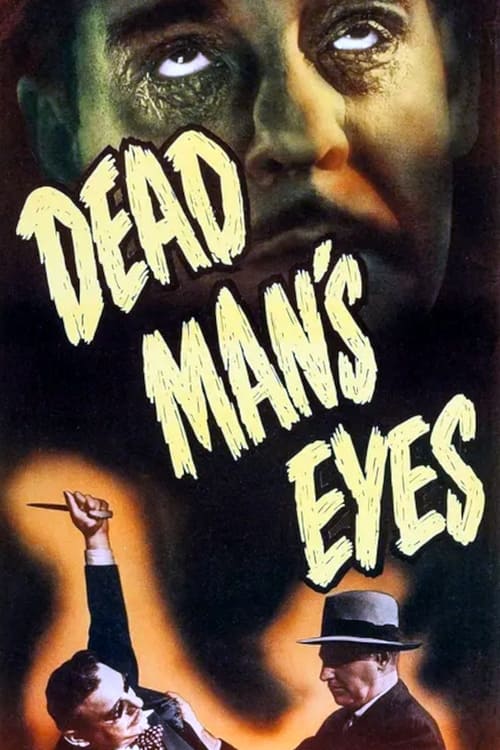
Dead Man's Eyes is a conventional mid-century thriller that adheres to the established cinematic hierarchies of the 1940s. The narrative relies heavily on genre clichés, such as the femme fatale and the patriarchal benefactor, which reinforce traditional social roles rather than challenging them. The film lacks complexity in representing diverse identities, focusing instead on a suspense-driven plot involving a medical procedure and a suspicious death. While the protagonist's blindness is central to the story, it functions more as a plot mechanism than a deep character study. Ultimately, the work reflects the homogeneous and traditional standards of the studio era, offering little disruption to the period's standard social or cultural norms.
Category Breakdown
The film does not include any characters with non-cisgender identities or critique the assumption that everyone is straight. It focuses on a romantic relationship and a central conflict involving a jealous model.
The story revolves around a male protagonist and a female antagonist. The female character drives the inciting incident, but her actions are framed through the common femme fatale archetype.
The film likely reflects the homogeneous casting standards of 1940s Hollywood. The narrative appears to follow traditional Anglo-centric casting norms prevalent in mid-century cinema.
The plot follows a standard mystery structure centered on morality and suspicion. There is no indication of anti-Western, anti-capitalist, or secularist themes within the narrative.
Blindness serves as a central plot device and narrative catalyst. However, the protagonist's ability to drive the story is tied to recovery through external intervention rather than a nuanced exploration of impairment.
Present on Screen
Limited or Absent
Official Synopsis
Artist David Stuart is blinded by a jealous model whose portrait he is painting. His fiance's father generously offers his eyes for a sight restoring operation. There's only one hitch: Stuart has to wait until after the man dies. Not surprisingly, when the benefactor dies a very premature death, suspicion falls on the artist.
1947
1944
1934

1946
1934
1942
1946
1960
No reviews yet. Be the first to share your thoughts on this movie!
Use the rating form above to leave a star rating and optional review.