Lady and Gent
1932
No user ratings available yet
Diversity score: 2.8 out of 10
1939
Director
Garson Kanin
Runtime
72 minutes
Average Rating
No ratings yetSynopsis
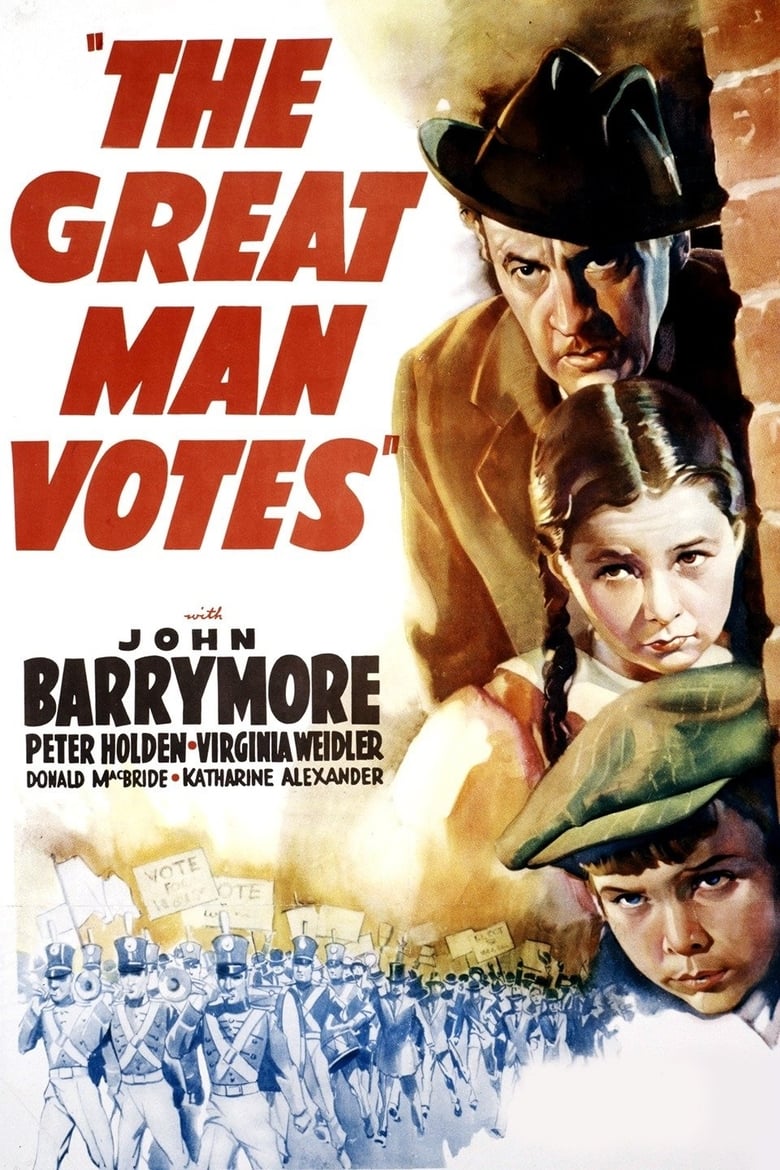
In 1923, Gregory Vance, a widower with two children, is a former scholar who has turned from book to bottle. He works, slightly, as a night-watchman, and his children, who know him for what he is and what he isn't, are his only admirers. Then, it is discovered that he is the only registered voter in a key precinct and the politicians, from both parties, arrive in droves bearing inducements. What he does about this situation, and the relatives who want to take his children away from him make up the story.
Overall Score
Limited
Category Breakdown
LGBTQ+ Representation
The film lacks any evidence of non-cisnormative identities or same-sex intimacy. The story centers on a traditional nuclear family structure involving a widower and his children.
Gender Representation
The narrative is built around a male protagonist navigating paternal agency and personal redemption. It reinforces traditional patriarchal guardianship through a plot involving relatives attempting to take his children.
Racial & Ethnic Diversity
There is no indication of a multi-ethnic cast or diverse racial identities. The setting suggests a focus on a homogeneous, likely Anglo-Saxon, domestic experience typical of the era.
Religious & Cultural Diversity
The film critiques political corruption and the influence of inducements within democratic institutions. It focuses on individual moral failings, such as alcoholism, rather than systemic social deconstruction.
Disability Representation
The provided material contains no documented evidence regarding characters with physical or neurodivergent disabilities.
Strengths
Areas for Improvement
AI Analysis
The Great Man Votes is a conventional period drama that adheres strictly to the social and narrative norms of 1939. The story focuses on the individual moral struggles of a widower caught in the middle of political opportunism. While the film offers a critique of political integrity, it does so through a narrow lens. It lacks intersectional complexity, focusing instead on a singular domestic experience and traditional family dynamics. Ultimately, the film functions as a character study of personal redemption rather than a tool for social or systemic subversion.
1932

1961

1935
1934
1934

1933
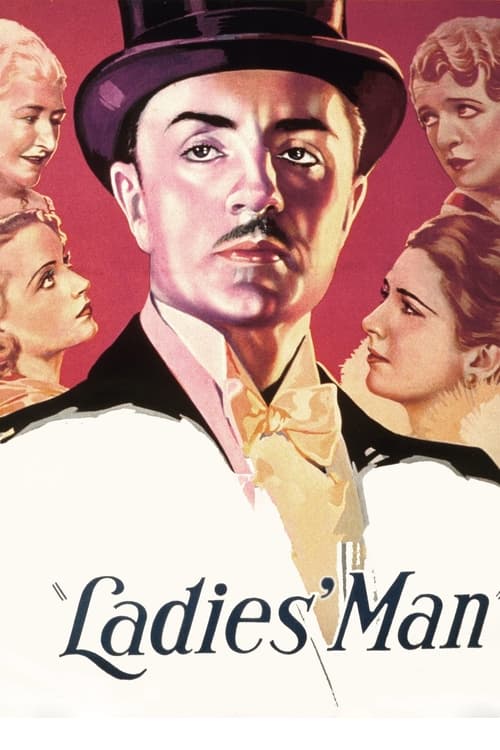
1931
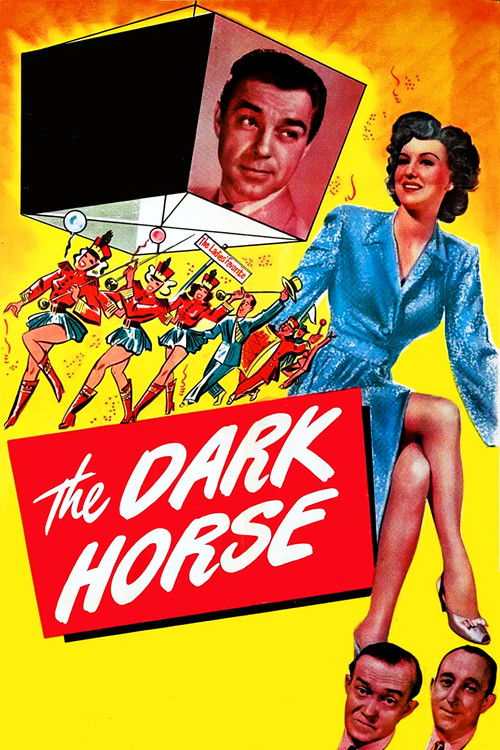
1946
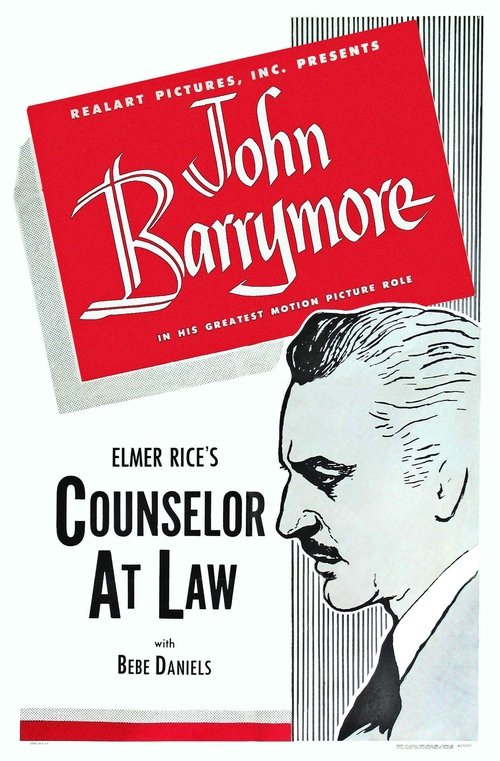
1933
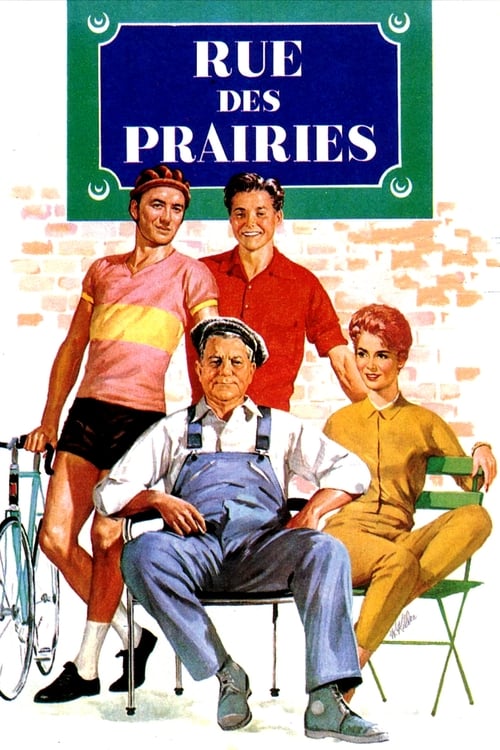
1959
1939
1956
No reviews yet. Be the first to share your thoughts on this movie!
Use the rating form above to leave a star rating and optional review.