
Pintea
1976
No user ratings available yet
Representation score: 2.8 out of 10
Representation Score
Limited
1954
Director
Frigyes Bán
Runtime
114 minutes
Average Rating
No ratings yetNew Showbiz Analysis
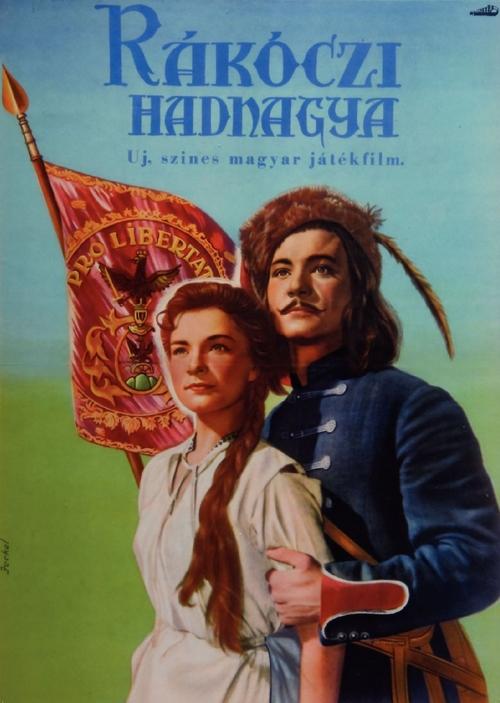
Rákóczi's Lieutenant is a classic historical epic that prioritizes nationalistic sentiment and traditional romantic clichés. The narrative structure is built around established social hierarchies, focusing on masculine leadership and patriotic duty. The film offers very little disruption to conventional norms. It relies on a standard gendered dynamic where the female lead serves primarily as a catalyst for the male protagonist's journey. Ultimately, the work functions as a period piece centered on localized historical conflicts, providing a narrow view of the 18th-century Carpathian region without broader multi-layered depth.
Category Breakdown
The film follows a typical romantic storyline between János and Anna. It doesn't include any depictions of non-straight or non-binary identities or stories that challenge the idea that everyone is straight or cisgender.
Gender roles follow a traditional hierarchy. While Anna is a central figure, her role is limited to being a romantic interest and a victim of circumstances.
The story focuses on 18th-century Hungarian ethnic tensions. It stays within a homogeneous historical framework without exploring broader racial diversity.
Themes of patriotism and national loyalty drive the plot. The resolution emphasizes traditional social institutions like marriage and the sanctity of the nation-state.
There are no visible or invisible disabilities portrayed. No characters are identified as having physical or neurodivergent traits that impact the narrative.
Present on Screen
Limited or Absent
Official Synopsis
1708 János Bornemissza became the master of stras of Blind Bottyán from a raiding Kuruk. His weapon is driven by patriotism and love for Anna Bíró, the most beautiful girl in réthe. The captured Count Starhemberg takes the Labanc general to the Prince himself, and thus becomes Rákóczi's lieutenant. In the meantime, Réthe falls into the hands of a Laban for treason, and Anna is sent to the stocks. Suhajda, the lecherous hajdú, now thinks he can get the girl for himself. Anna sends a message to John with her brother, and at the call of the prisoners, Rákóczi's army marches. They encounter the enemy along the Váh. The Kuruks celebrate their victory with the wedding of Anna and János.
1976
1951
1953
1964
1959
2015
2005
2017
No reviews yet. Be the first to share your thoughts on this movie!
Use the rating form above to leave a star rating and optional review.