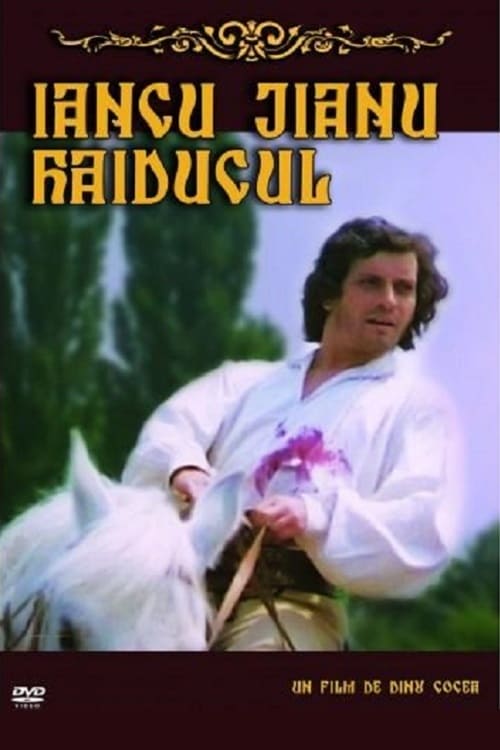
Iancu Jianu, Outlaw
1981
No user ratings available yet
Representation score: 4.5 out of 10
Representation Score
Limited
1971
Director
Dinu Cocea
Runtime
89 minutes
Average Rating
No ratings yetNew Showbiz Analysis
The film excels at portraying class-based struggle and systemic critique. By focusing on the haiduc archetype, it challenges the legitimacy of oppressive state taxation and institutional corruption. However, the work lacks multi-layered depth. Representation is limited by a lack of LGBTQ+ identities, disability visibility, and a gender dynamic that favors male physical ability to act over female leadership. While the ethnic tension between locals and Phanariote rulers adds social complexity, the overall diversity remains constrained by the traditional clichés of its era.
Category Breakdown
The film does not depict any non-straight or non-cisgender identities. It follows traditional romantic and friendship structures typical of 1970s historical epics.
Lady Ralu drives the plot through her material desires, but her role remains tied to aristocratic clichés. Male characters dominate roles involving physical combat and leadership.
The setting features an ethnically homogeneous local population. Tension arises from the conflict between the locals and the Greek-origin Phanariote rulers.
The story provides a strong critique of predatory state authority. It portrays the outlaws as necessary rebels against corrupt, centralized institutions and systemic theft.
There is no evidence of characters with visible or invisible disabilities. Such identities are not integrated into the central plot or character arcs.
Present on Screen
Limited or Absent
Official Synopsis
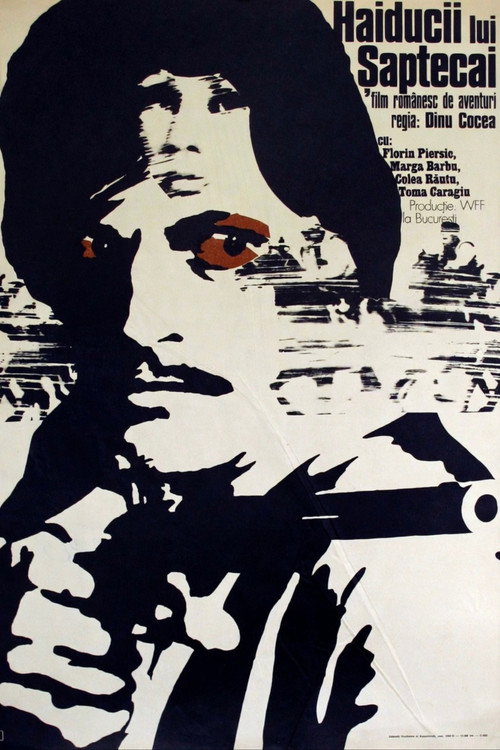
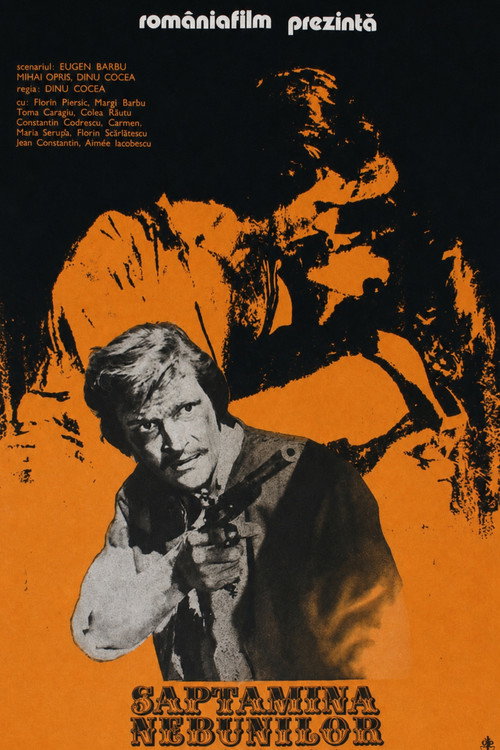
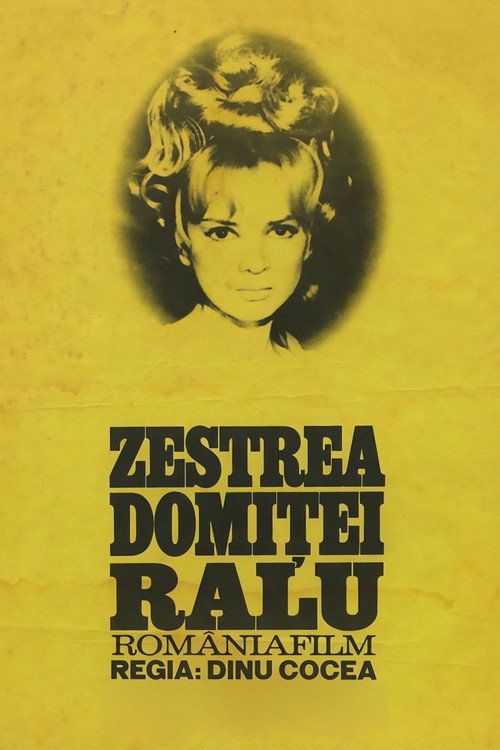
The third movie in the Haiducii series, set in Muntenia during the Phanariote period. Lady Ralu needs a million galbeni to buy a jewelry collection from Vienna. In order to satisfy her desire, the Phanariot ruler institutes the "birul vacăritului" (the tax on the cowherd), impoverishing the people. The band of outlaws led by Anghel Șaptecai, after the death of Captain Amza, tries to recover the galbeni, forcibly taken from the tormented people. In the end, captain Mamulos catches Anghel and sends him to the pit.
1981

1967
1966

1995
1971
1972
1950
1980
No reviews yet. Be the first to share your thoughts on this movie!
Use the rating form above to leave a star rating and optional review.