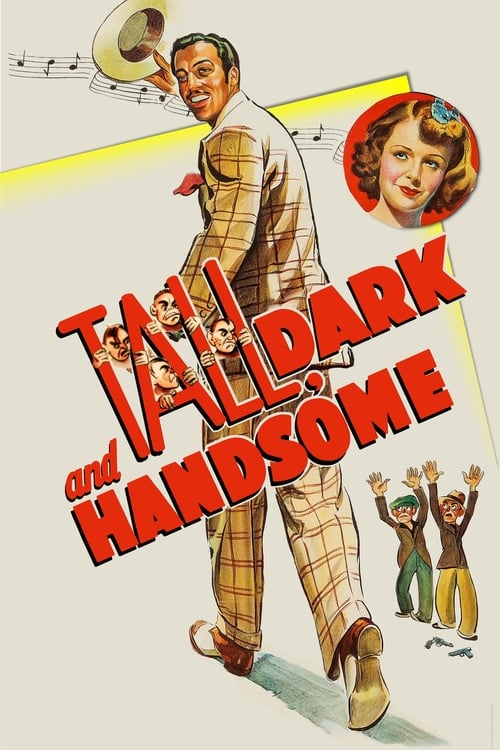
Tall, Dark and Handsome
1941
No user ratings available yet
Representation score: 0.8 out of 10
Representation Score
Limited
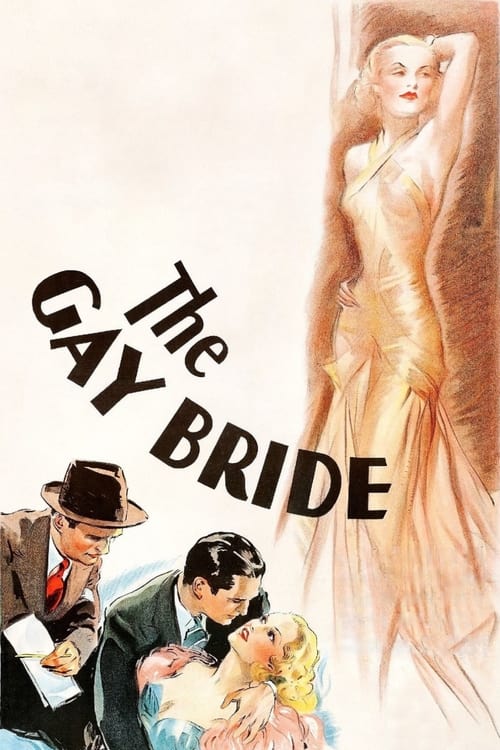
1934
NRDirector
Jack Conway
Runtime
80 minutes
Average Rating
No ratings yetNew Showbiz Analysis
The film stands out by challenging traditional gender hierarchies through its protagonist. Mary's pursuit of financial independence in a male-dominated criminal world diverges from typical domestic femininity. Despite this, the film adheres to the demographic constraints of 1934. It lacks meaningful LGBTQ+ or racial diversity, relying on stereotypical ethnic characters and a strictly straight-centered framework. Ultimately, the work finds its strength in its moral relativism. It examines the breakdown of conventional marriages and social stability during the post-Prohibition era.
Category Breakdown
The film focuses solely on heterosexual relationships and transactions. There is no representation of LGBTQ+ identities or non-cisgender characters.
Mary challenges traditional gender roles by taking a leading role in a male-dominated underworld. Her wit and survival skills defy the stereotype of the passive female character.
The cast is primarily white, with minor ethnic characters like Leo Carrillo and 'Mickey The Greek'. However, the representation lacks multi-layered depth.
The story questions traditional family structures by highlighting social climbing and the instability of the bootlegging era. It presents a cynical view of established social institutions.
There is no depiction of visible or invisible disabilities in the film.
Present on Screen
Limited or Absent
Official Synopsis
Mary wants to marry a gangster because that is where the money is. Unfortunately, the life expectancy and finances of a gangster are unstable.
1941
1933
1940
1955
1936
1988
1938

1933
No reviews yet. Be the first to share your thoughts on this movie!
Use the rating form above to leave a star rating and optional review.