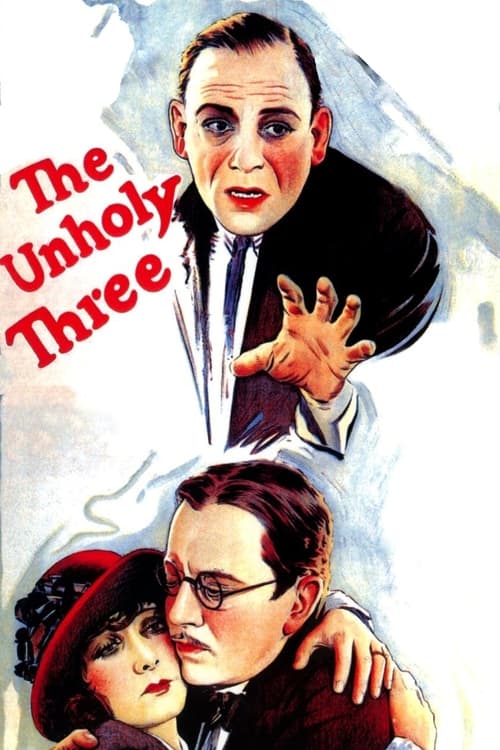
The Unholy Three
1925
No user ratings available yet
Representation score: 3.1 out of 10
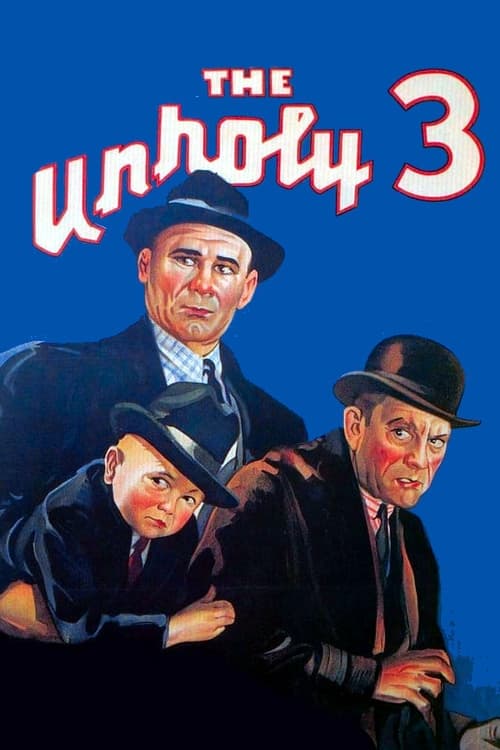
Representation Score
Fair
1930
PassedDirector
Jack Conway
Runtime
72 minutes
Average Rating
No ratings yetNew Showbiz Analysis
The film functions as a transitional piece of cinema that prioritizes moral ambiguity over social inclusivity. It succeeds in elevating underrepresented, itinerant characters to the center of the narrative, challenging traditional social hierarchies through its gritty, relativist tone. However, the work remains deeply rooted in the demographic norms of the early 1930s. It lacks breadth regarding racial diversity and sexual orientation, which limits its broader social representation. Ultimately, the film's impact comes from its subversion of respectability. By focusing on characters living on the fringes, it avoids a sanitized view of morality in favor of a complex, anti-social exploration of survival.
Category Breakdown
The film does not include any identifiable LGBTQ+ characters or explore non-straight relationships. The interpersonal dynamics focus on criminal partnerships and heterosexual romantic tension.
Creta offers a departure from traditional domestic roles by participating in the criminal triad. Her involvement in deceptive schemes provides a level of ability to act that disrupts conventional expectations of feminine passivity.
The production features a primarily homogeneous white cast. There is no evidence of racial blending or the inclusion of non-Anglo-Saxon characters.
The film explores moral relativism by centering on lawbreakers. The circus setting provides a space outside conventional social structures, allowing for a more fluid moral landscape.
Lon Chaney’s performance uses heavy makeup and physical exaggeration to create distinct physicalities. These portrayals lean toward character clichés rather than providing meaningful representation.
Present on Screen
Limited or Absent
Official Synopsis
A trio of former sideshow performers double as the "Unholy Three" in a scam to nab some shiny rocks.
1925
1931
1932
1927

1930
1932
1950

1933
No reviews yet. Be the first to share your thoughts on this movie!
Use the rating form above to leave a star rating and optional review.