La Banda del Carro Rojo
1978
No user ratings available yet
Representation score: 3.1 out of 10
Representation Score
Limited
1955
TV-14Director
Alejandro Galindo
Runtime
116 minutes
Average Rating
No ratings yetNew Showbiz Analysis
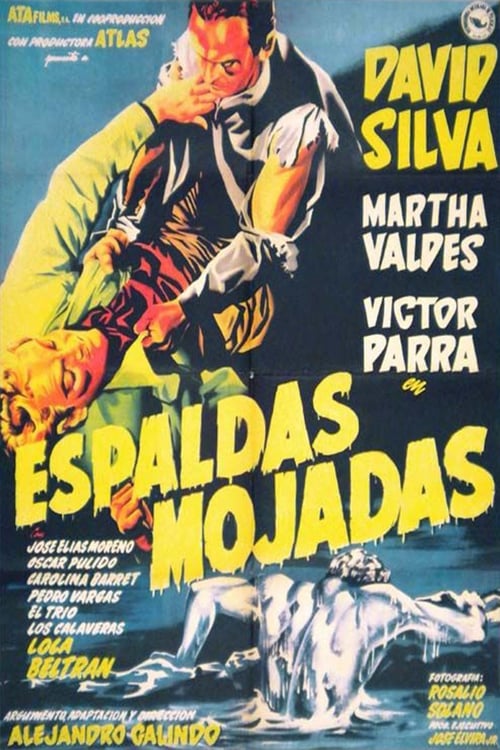
Alejandro Galindo’s film is a compelling exploration of the migrant experience, emphasizing the systemic struggles faced by the Mexican working class. By focusing on Rafael Améndola’s journey, the film challenges the traditional narrative of migrant life, highlighting the structural barriers and labor exploitation inherent in the borderlands. The film excels in its racial and cultural depth, offering a profound insight into the tensions between identity and institutional power. However, it remains constrained by the social norms of its era. The absence of LGBTQ+ representation and the adherence to traditional gender roles limit its inclusivity.
Category Breakdown
The film does not include any LGBTQ+ characters or stories. It focuses solely on heterosexual relationships and experiences typical of the mid-century migrant journey.
The story adheres to the gender roles of the time. Female characters face specific challenges within the migrant labor system but do not play a central role in driving the main plot.
The film highlights Mestizo and Mexican identities, placing the racialized experience of laborers at the forefront. It critiques the power dynamics between Mexican workers and Anglo-American institutions.
The story provides a nuanced critique of Western capitalist structures and immigration policies. It emphasizes systemic inequality and economic exploitation as key factors in the migrant struggle.
There is no significant representation of disabilities or character arcs focused on neurodivergence or physical impairments.
Present on Screen
Limited or Absent
Official Synopsis
Mexican worker Rafael Améndola runs from the police and cross the Mexican-American border, helped by Frank Mendoza, a partner of an American called Mr. Sterling, who gives work to illegal migrants. Once in the United States, Rafael does not adapt to his new life. English translation of title is “Wet Backs”.
1978

2019
1949
2009
1986
1950
1982

1935
No reviews yet. Be the first to share your thoughts on this movie!
Use the rating form above to leave a star rating and optional review.