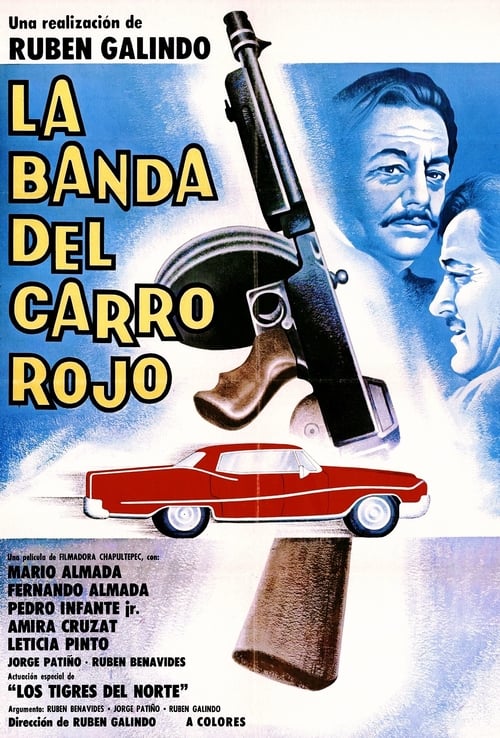
La Banda del Carro Rojo
1978
No user ratings available yet
Representation score: 3.1 out of 10

Representation Score
Limited
1966
Not RatedDirector
Lütfi Akad
Runtime
76 minutes
Average Rating
No ratings yetNew Showbiz Analysis
Lütfi Akad’s social realist approach provides a sophisticated critique of how systemic borders and economic scarcity shape identity. The film avoids simplistic moral binaries, instead exploring how environmental compulsion drives individuals toward illegal acts. While the narrative excels in its cultural and regional depth, it remains constrained by the era's focus on traditional masculine archetypes. The storytelling prioritizes the struggle of the peasantry over diverse character identities.
Category Breakdown
The film lacks any evidence of LGBTQ+ characters or narratives. It focuses strictly on socio-economic survival within a traditional rural framework.
The narrative centers on male characters navigating smuggling hierarchies. It emphasizes masculine struggle and patriarchal village structures.
The setting in Urfa provides meaningful representation of regional identity. It offers a localized perspective on survival within specific border-dwelling communities.
The film critiques systemic structures by framing crime as a byproduct of economic necessity. It portrays traditional authority and geopolitical borders as oppressive forces.
There is no information regarding the portrayal of physical or neurodivergent disabilities in the plot.
Present on Screen
Limited or Absent
Official Synopsis
In Deliviran, a village near Urfa close to the Syrian border, Hidir’s chief is involved in smuggling and gets shot. Hidir tries to stay out of illegal activities but circumstances contrive to push him in the opposite direction until he accepts to take a herd of sheep across the border.
1978

2011

2015

1955

1976
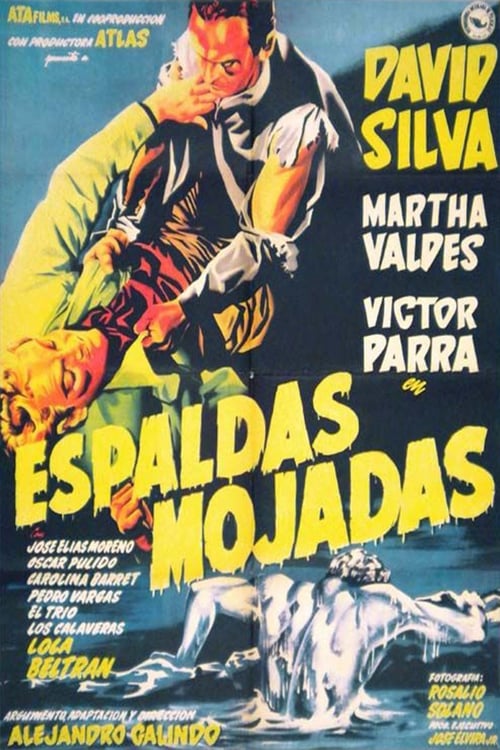
1955
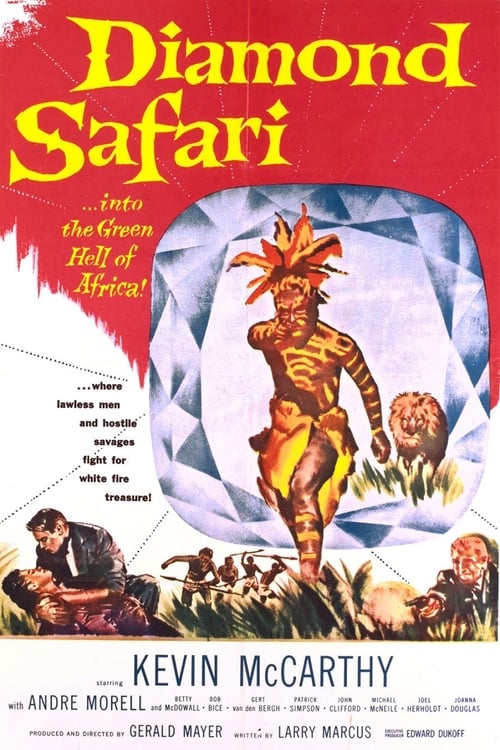
1958

2009
No reviews yet. Be the first to share your thoughts on this movie!
Use the rating form above to leave a star rating and optional review.