
Kuiba III
2014
No user ratings available yet
Representation score: 5.4 out of 10
Representation Score
Limited
2014
NRDirector
Jang Gun-ho
Runtime
85 minutes
Average Rating
No ratings yetNew Showbiz Analysis
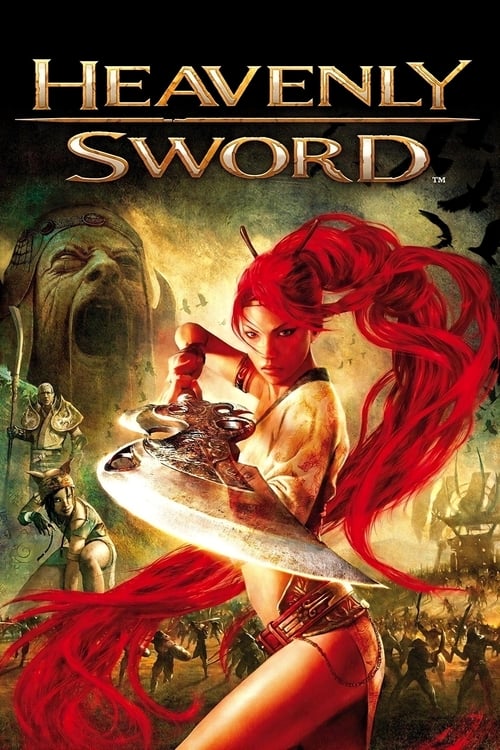
Heavenly Sword provides a solid foundation for gender diversity by focusing on a female warrior who play a significant role in driving the story. Nariko avoids the passive clichés often found in high-fantasy settings, driving the plot through her own strength and decisions. While the tribal setting offers potential for non-Western cultural aesthetics, the film lacks specific details about racial or ethnic diversity. The narrative structure relies heavily on a classic hero’s journey, limiting its exploration of complex multi-layered identities. Overall, the film excels in subverting traditional gender norms but falls short in representing LGBTQ+ communities and individuals with disabilities, resulting in a mixed score.
Category Breakdown
The film does not include any LGBTQ+ characters or stories about non-cisgender identities. There are no queer-coded storylines or themes present.
Nariko serves as a strong central character, breaking traditional gender roles by acting as a warrior and protector. She plays a significant role in driving the story, using her magical sword to fight the main antagonist.
The story includes an ancient tribe, providing a framework for non-Western cultural aesthetics. However, there are no specific details about ethnic markers or visual diversity in the narrative.
The plot examines the conflict between tribal communal values and the centralized authority of King Bohan. This setup critiques institutional power structures through a fantasy lens.
There are no characters with visible or invisible disabilities. The narrative does not address neurodivergence or chronic health conditions.
Present on Screen
Limited or Absent
Official Synopsis
The film's plot follows that of the game closely. Nariko, a member of an ancient tribe who have guarded an ancient magical sword for thousands of years, is charged with bringing the sword to its destined wielder, a deity reincarnated who will bring peace to the land. But on her quest, Nariko must wield the sword herself against the forces of King Bohan, who wishes to possess the weapon himself.
2014
2003
2005

2011
2014
2000
2014
2009
No reviews yet. Be the first to share your thoughts on this movie!
Use the rating form above to leave a star rating and optional review.