GARO: Divine Flame
2016
No user ratings available yet
Representation score: 2.5 out of 10
Representation Score
Good
2011
TV-MADirector
Rion Kujo
Runtime
43 minutes
Average Rating
No ratings yetNew Showbiz Analysis
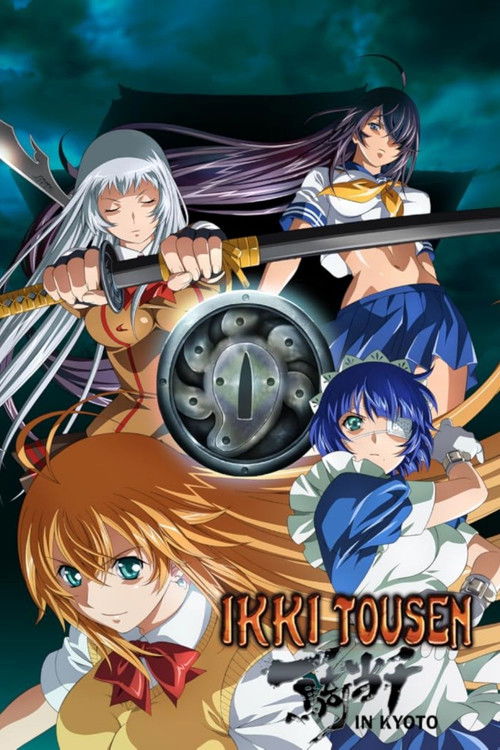
Ikki Tousen in Kyoto successfully challenges traditional gender hierarchies by placing female fighters at the forefront of its high-stakes action. These characters play a significant role in driving the story, driving the conflict through physical strength and intellect. However, the film remains confined within its genre-specific boundaries. The setting is culturally homogeneous, and the narrative prioritizes martial clichés over diverse social representation or queer identities. Ultimately, while the work challenges traditional gender hierarchies, it lacks breadth in racial, disability, and LGBTQ+ representation, staying rooted in a specific cultural context.
Category Breakdown
The story centers on martial skills and school rivalries without focusing on queer identities. There is no clear depiction of queer characters taking control or challenging traditional assumptions about straight relationships.
Female fighters play a key role in driving the plot, showcasing superior physical strength and combat intelligence. This shifts the focus away from passive female roles typically seen in action films.
The cast is predominantly Japanese, fitting the context of a Japanese school trip. The story does not emphasize multi-ethnic casting or diverse backgrounds.
The film examines school-based power structures and local conflicts within traditional Japanese settings. It highlights a decentralized hierarchy driven by school factions and student-led confrontations.
There are no characters with visible or invisible disabilities. The genre's emphasis on physical perfection and combat readiness might overlook neurodivergence or chronic illness.
Present on Screen
Limited or Absent
Official Synopsis
Immediately following the events of "Ikki tousen: Xtreme Xecutor", the kids from Nanyo Academy head to Kyoto for a school trip. Before long, they run into rival classmates from other Kanto schools and find themselves confronted by Kyoto's best fighters. It's a battle of epic proportions. Hopefully the city of Kyoto will be left standing!
2016
1988

2015
2008

1993
2005
1994
1993
No reviews yet. Be the first to share your thoughts on this movie!
Use the rating form above to leave a star rating and optional review.