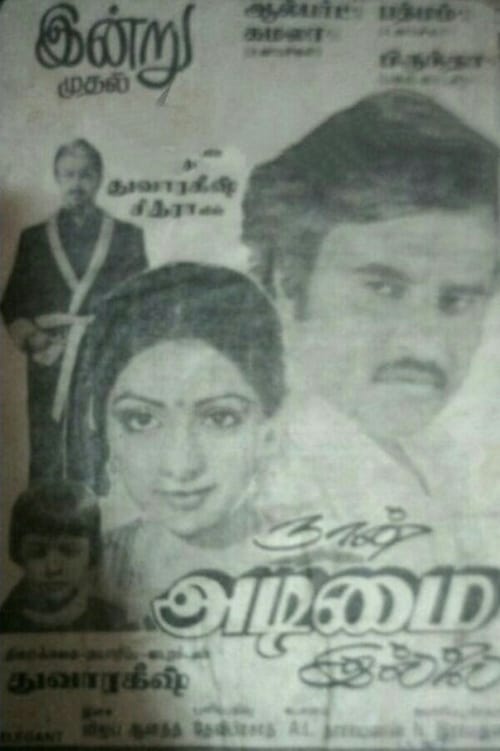
Naan Adimai Illai
1986
No user ratings available yet
Representation score: 2.2 out of 10
Representation Score
Limited
1949
UDirector
L. V. Prasad
Runtime
172 minutes
Average Rating
No ratings yetNew Showbiz Analysis
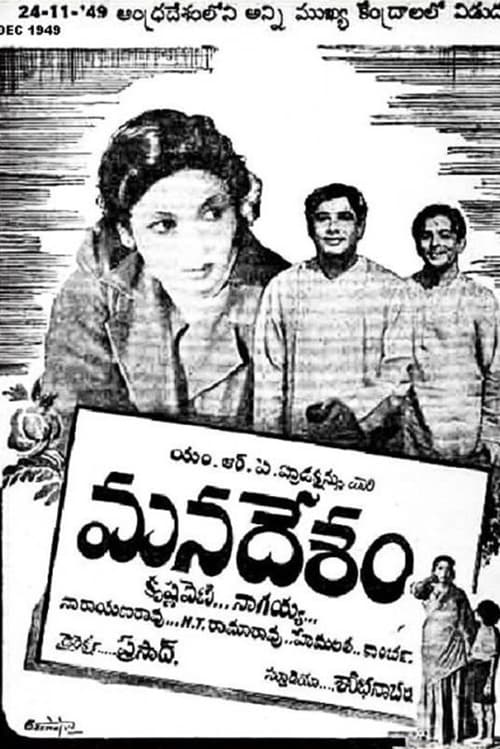
Mana Desam (1949) is a socially conscious drama that explores the complexities of post-independence Indian identity. By focusing on the tension between personal intimacy and ideological differences, the film emphasizes human connection over rigid political divisions. The film stands apart from Western-centric cinematic norms of its time by centering an indigenous perspective. Using the tension between a romantic relationship and political views, it examines the interplay of personal ability to act and national identity. Though it does not represent underrepresented identities or LGBTQ+ narratives, the film excels in presenting a narrative structure based on ideological complexity and national cohesion.
Category Breakdown
The film does not include any characters with LGBTQ+ identities. The central romance revolves around Madhu and Sobha, following a traditional pairing.
Sobha’s involvement in political discussions marks a move away from traditional feminine roles. However, the film does not challenge traditional gender hierarchies or masculinity.
This post-independence Indian film centers on a non-Western cast and cultural perspective. It explores indigenous identity and national unity rather than Western-centric norms.
The story focuses on ideological pluralism and the tension between different political visions. It acknowledges subjective political truths rather than a single, monolithic morality.
There are no characters with physical or neurodivergent disabilities in the narrative.
Present on Screen
Limited or Absent
Official Synopsis
Madhu and Sobha love each other. But they have differences in their political views. So they need to overcome several hurdles to get united again.
1986

1989

1964

2009

1972

2021

1965
1953
No reviews yet. Be the first to share your thoughts on this movie!
Use the rating form above to leave a star rating and optional review.