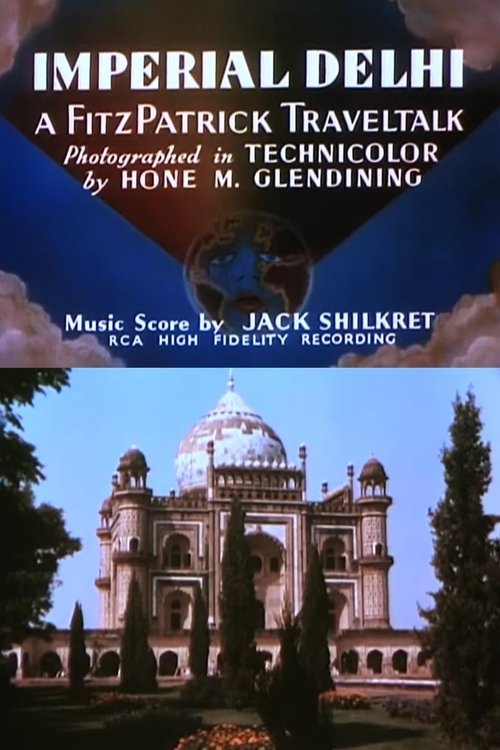
Imperial Delhi
1939
No user ratings available yet
Representation score: 2.1 out of 10
Representation Score
Minimal
1937
ApprovedDirector
James A. FitzPatrick
Runtime
10 minutes
Average Rating
No ratings yetNew Showbiz Analysis
The camera opens on the Taj Mahal, a static monument that sells India as a timeless, spiritual entity rather than a political battleground. This 1937 travelogue, directed by James A. FitzPatrick, functions as a visual hymn to national identity, smoothing over the era’s independence tensions to present a unified, harmonious society. The sold meaning is clear: Indian heritage is noble, ancient, and deserving of respect, with the camera lingering on male military formations and female dancers as the nation’s vital and aesthetic cores. The film’s argument rests on the authenticity of indigenous culture, positioning it as the moral center against an implied Western materialism. British presence is acknowledged but minimized, treated as part of the landscape rather than a dominant force. The pictures like the disciplined soldier and the graceful dancer, treating them as types of civic virtue and cultural purity. There is no joke, no conflict, and no one who pays a price; the narrative is a straightforward celebration of order and collective identity. The ending reinforces this verdict, rewarding traditional hierarchies and cultural pride as the story’s world. The film does not invert colonial defaults but affirms them, presenting a society where heritage, faith, and nation are treated as unmarked goods. It is a polished construction of national pride, where the last image settles on collective identity rather than individual narrative, leaving the viewer with a sense of serene, unchallenged tradition.
Category Breakdown
Absent. The 1937 travelogue depicts strictly traditional gender roles and heterosexual norms without any same-sex intimacy or queer visibility.
Limited. Women appear as classical dancers and servants, valued for aesthetic grace and domestic service, while men hold civic power as soldiers and maharajahs.
Present. Non-white subjects dominate the screen as dignified cultural bearers, with the camera admiring Indian heritage, military discipline, and spiritual depth over colonial authority.
Present. Traditional institutions, religious rituals, and national unity are treated as the story’s moral center, presenting a harmonious society where heritage is the primary value.
Absent. No disabled characters or impairment narratives appear; the film focuses on able-bodied dancers, soldiers, and servants in a conventional travelogue format.
Present on Screen
Limited or Absent
Official Synopsis
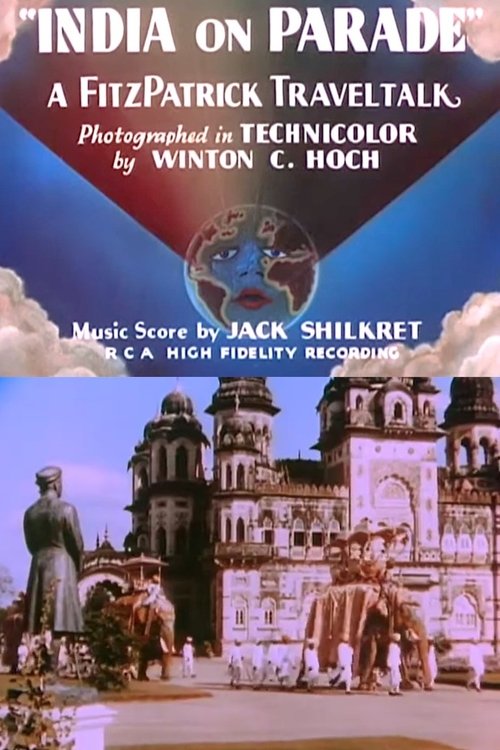
This Traveltalks visit to India starts in Baroda. We see how the maharajah of Baroda lives in his large castle. His opulent lifestyle includes many servants, as well as animals covered in expensive fabrics. The animals parade before the cameras. We then go to Agra, the site of the magnificent Taj Mahal temple.
1939
1940
1952
1951
1952
1938

1944
1937
No reviews yet. Be the first to share your thoughts on this movie!
Use the rating form above to leave a star rating and optional review.