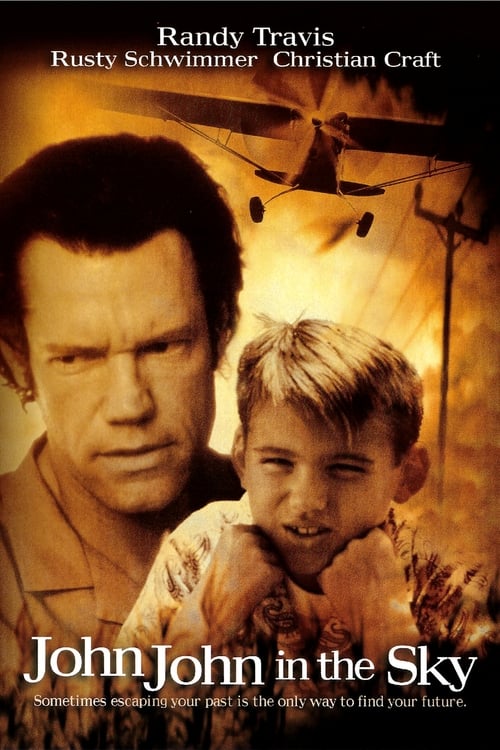
John John in the Sky
2001
No user ratings available yet
Representation score: 2.1 out of 10

Representation Score
Good
1992
Director
Svend Wam
Runtime
102 minutes
Average Rating
No ratings yetNew Showbiz Analysis
Svend Wam’s surrealist drama functions as a sharp critique of traditional Western institutions. By deconstructing the family unit and portraying authority figures as systemic oppressors, the film challenges the perceived safety of domestic and educational hierarchies. The work excels in its subversion of cultural and gendered norms, using a boy's metamorphosis to represent an escape from systemic oppression. However, the film remains limited by a lack of racial diversity and explicit LGBTQ+ representation. Ultimately, the film is a study of individualistic liberation. It trades conventional social morality for a postmodern exploration of trauma and the rejection of patriarchal authority.
Category Breakdown
The film critiques the assumption that everyone is straight or cisgender by focusing on the violation of the home. While it challenges traditional sexual hierarchies, there is no explicit evidence of queer identity or non-cisgender character arcs.
Traditional gender roles are disrupted by portraying the domestic unit as a source of trauma. The film undermines the male protector archetype by depicting the maternal figure's partner as a predatory force.
The narrative appears to focus on a localized, homogeneous social setting. There is no evidence of a non-white or multi-ethnic cast within this Norwegian production.
The film challenges cultural sanctity by presenting adult institutions and the family unit as corrupt. It prioritizes individual liberation over the preservation of traditional Western social structures.
The story explores the invisible disability of emotional isolation and psychological trauma. The protagonist's physical transformation serves as a surrealist manifestation of his neuro-psychological response to stress.
Present on Screen
Limited or Absent
Official Synopsis
Surreal tale of a 14 year-old boy who dreams of escaping the loneliness from an unhappy home & sexual abuse (from his mother's boyfriend who is also his school swimming coach). One day his back mysteriously sprouts feathers and he can metaphorically fly away from it all.
2001
1992

2012

1970

1983
1992
2018
1988
No reviews yet. Be the first to share your thoughts on this movie!
Use the rating form above to leave a star rating and optional review.