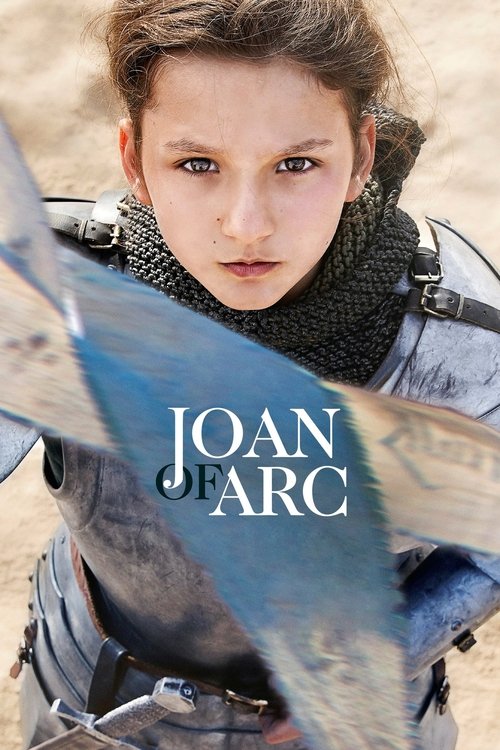
Joan of Arc
2019
No user ratings available yet
Representation score: 6.9 out of 10

Representation Score
Good
2017
TV-PGDirector
Bruno Dumont
Runtime
107 minutes
Average Rating
No ratings yetNew Showbiz Analysis
Jeannette is a postmodern deconstruction of the saintly biopic, trading linear history for a surrealist, carnival-like exploration of the sacred. It succeeds in challenging traditional gender roles and religious dogma through a fragmented, non-linear narrative. However, the film remains limited by its historical setting, resulting in a lack of racial and LGBTQ+ diversity. The portrayal of mental instability serves more as an aesthetic tool for surrealism than a nuanced look at disability. Ultimately, the film's strength lies in its intellectual structure. It uses unconventional storytelling to dismantle monolithic authority, even if it lacks broad demographic representation.
Category Breakdown
The film does not explicitly depict same-sex relationships or non-binary gender identities. While it explores themes of physical and spiritual boundaries, it does not center LGBTQ+ narratives.
Jeannette challenges traditional gender roles by focusing on a young girl's ability to drive the story. The film avoids patriarchal structures to emphasize a female-centric, dream-like reality.
The cast is predominantly white and European, reflecting its 15th-century French setting. The film does not include diverse ethnic perspectives.
Dumont questions religious institutions by framing the divine through madness and absurdity. The film prioritizes subjective, mystical truth over established Christian doctrine and traditional morality.
Themes of neurodivergence and mental instability appear through the lens of religious mysticism. These portrayals serve the film's surreal atmosphere rather than providing real ability to act to characters with disabilities.
Present on Screen
Limited or Absent
Official Synopsis
France, 1425. During the Hundred Years’ War, Jeannette, age of 8, looks after her sheep in the small village of Domremy. One day she tells her friend Hauviette how she cannot bear the suffering caused by the English. Madame Gervaise, a nun, tries to reason with the young girl, but she is ready to take up arms for the salvation of souls and the liberation of the Kingdom of France. Carried by her faith, she will become Joan of Arc.
2019

1963

1948
1928
2022

1943

1994

1944
No reviews yet. Be the first to share your thoughts on this movie!
Use the rating form above to leave a star rating and optional review.