Billy the Kid
2012
No user ratings available yet
Representation score: 3.6 out of 10
Representation Score
Minimal
2014
TV-PGDirector
John Maggio
Runtime
57 minutes
Average Rating
No ratings yetNew Showbiz Analysis
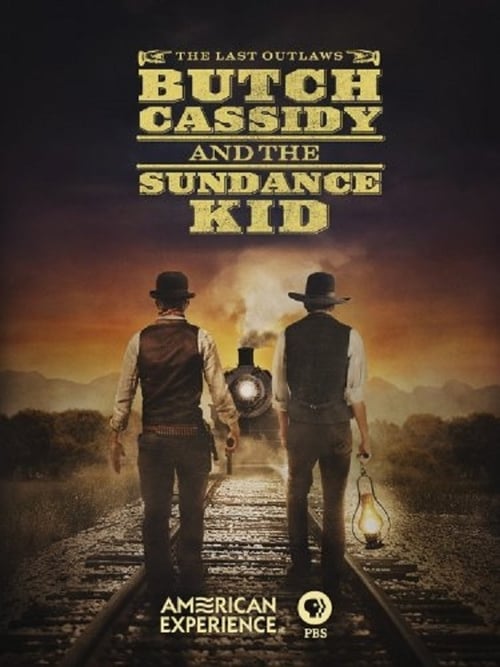
The film opens with the Wilcox train robbery, a scene of explosive, chaotic energy that sells the Wild West as a space of raw, unmediated freedom. Butch Cassidy is framed not as a criminal, but as an artist of the frontier, a man who "elevated bank and train robbery into an art form." This romanticization is the film’s central argument: the West was a place where individual will could override institutional constraint, and Butch’s life was the ultimate expression of that freedom. The film’s internal logic, however, pulls against this romance. Butch’s departure from his Mormon family is presented as a liberation, but it is also a rejection of the very community that gave him his moral foundation. The film treats his religious upbringing as a "constraint," yet it never fully interrogates the violence of the frontier he escapes to. The last image is not a triumph, but a elegy: the West is "gone," and with it, the possibility of the kind of unbridled freedom Butch embodied. The film’s moral verdict is that the frontier was a necessary, if violent, space for the formation of the American self, and its loss is a cultural tragedy. The camera loves Butch’s charisma, but it also mourns the world that made him possible.
Category Breakdown
The narrative centers on the heterosexual male bond between Butch Cassidy and the Sundance Kid. No same-sex intimacy, queer identity, or gender non-conformity is depicted or discussed in the available excerpt or credits.
Women appear only as background figures, such as Butch’s devout mother, Anne, described as a homemaker. The film frames masculinity through frontier competence and outlaw status, treating domesticity as a constraint from which the male lead escapes.
The cast and narrative are overwhelmingly white, reflecting the period’s demographic reality. Butch’s Mormon heritage is highlighted as a cultural marker, but no non-white characters are named or depicted in the excerpt.
The film romanticizes the "Wild West" as a fading era of open opportunity, framing Butch’s departure from his strict Mormon family as a necessary liberation. It treats traditional religious values as a constraint on individual freedom while glorifying the violent frontier.
No characters with physical, sensory, or cognitive disabilities are depicted or mentioned in the available material. The narrative focuses on physical prowess, marksmanship, and survival skills, with no discussion of impairment or accessibility.
Present on Screen
Limited or Absent
Official Synopsis
The historical account of outlaws Butch Cassidy and the Sundance Kid, whose turn of the last century exploits made headlines, led them to be pursued by Pinkerton detectives hired by the railroads, and inspired a hit 1969 film.
2012
2015
1970

1939
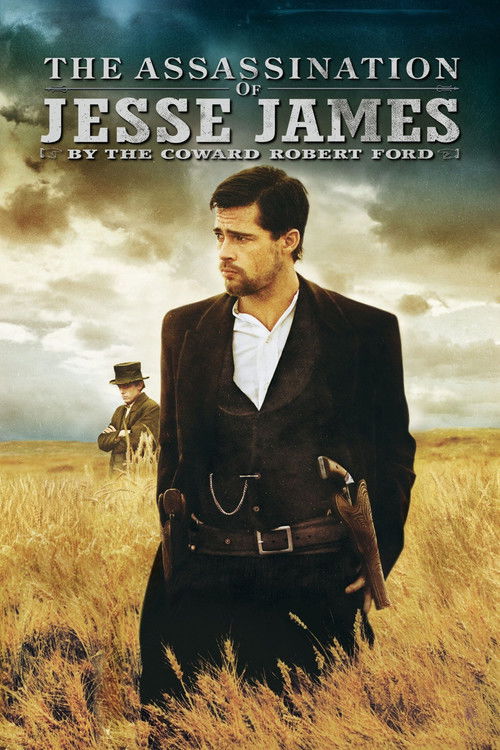
2008
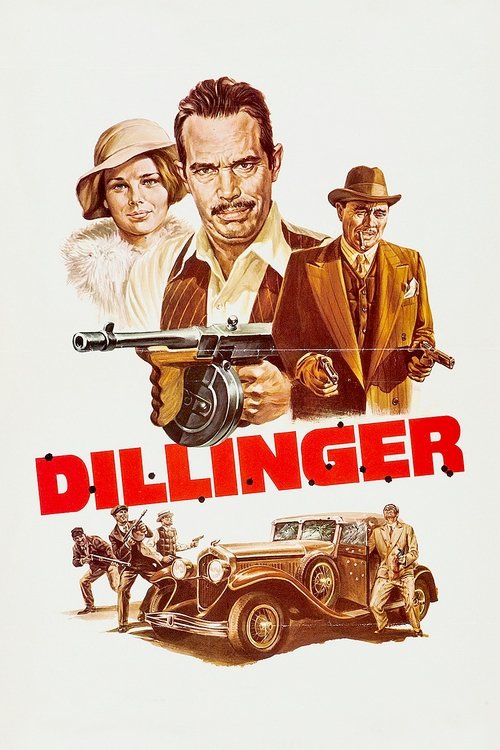
1973
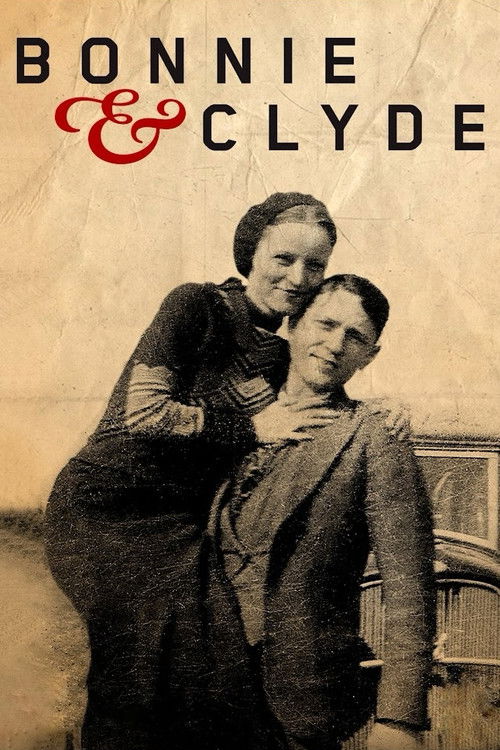
2016
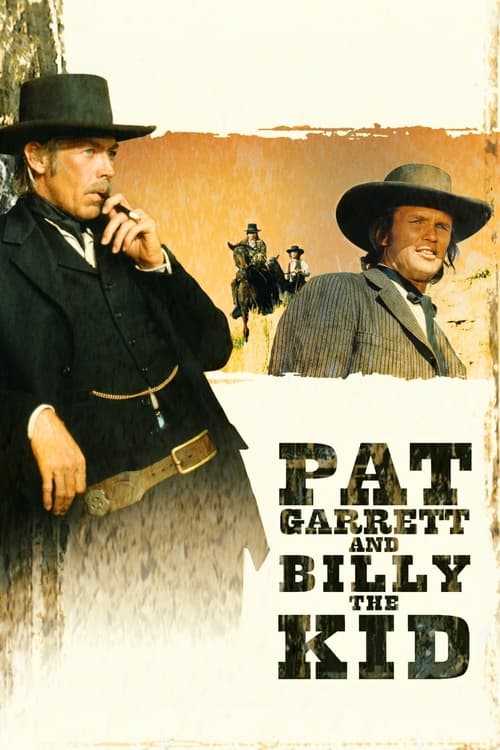
1973
No reviews yet. Be the first to share your thoughts on this movie!
Use the rating form above to leave a star rating and optional review.