
Crime Wave: 18 Months of Mayhem
2008
No user ratings available yet
Representation score: 3.9 out of 10
Representation Score
Fair
2016
TV-PGDirector
John Maggio
Runtime
60 minutes
Average Rating
No ratings yetNew Showbiz Analysis
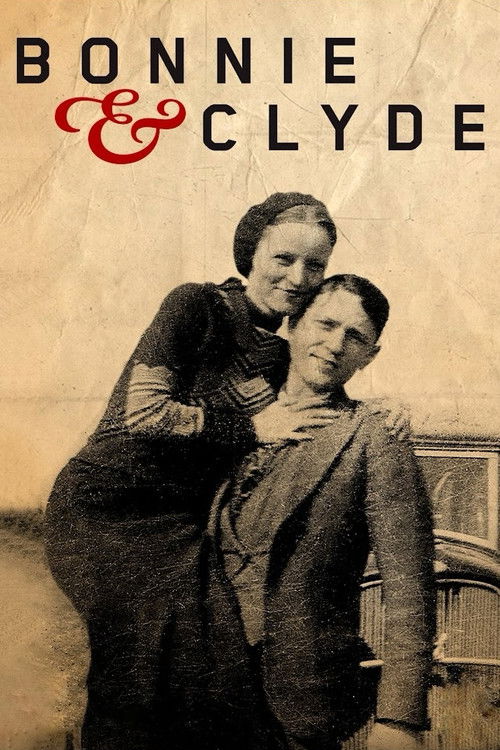
This documentary serves as a historical deconstruction rather than a celebration of celebrity. It prioritizes socio-economic realism over the romanticized, glamorous media images typically associated with the Barrow duo. The film's strength lies in its willingness to examine the grit of the Great Depression. By focusing on the slums of West Dallas, it shifts the perspective from mythmaking to the systemic pressures that shaped these individuals. However, the film remains limited in its demographic breadth. It focuses heavily on a traditional heterosexual pairing and lacks explicit engagement with diverse racial or LGBTQ+ identities.
Category Breakdown
The film focuses on the historical relationship between Bonnie and Clyde, and there is no explicit evidence of queer narratives or non-cisgender identities present.
The documentary challenges traditional gender roles by deconstructing the glamorous myth of Bonnie Parker. It presents a complex portrait of a woman shaped by systemic hardships.
The narrative centers on white protagonists within the context of West Dallas slums. While it explores class-based struggles, it lacks specific evidence of diverse racial representation.
The film disrupts the 'outlaw hero' myth by framing the subjects as products of economic desperation. This approach offers a critique of the era's institutional and economic structures.
There is no information available regarding the portrayal of physical or neurodivergent disabilities in this production.
Present on Screen
Limited or Absent
Official Synopsis
Bonnie Parker and Clyde Barrow embark on a two-year crime spree during the Great Depression and become known as the most famous criminal couple in U.S. history. In reality, as this film reveals, Bonnie and Clyde grew up in the slums of West Dallas and had little in common with their glamorous media images.
2008

1990

2013
2015
2009

2011
2006

2006
No reviews yet. Be the first to share your thoughts on this movie!
Use the rating form above to leave a star rating and optional review.